Acast and Barometer debut episode-level podcast targeting before bids
Acast launches industry's first pre-bid episodic targeting integration with Barometer, enabling real-time brand safety verification across entire podcast catalog.


Acast launches industry's first pre-bid episodic targeting integration with Barometer, enabling real-time brand safety verification across entire podcast catalog.
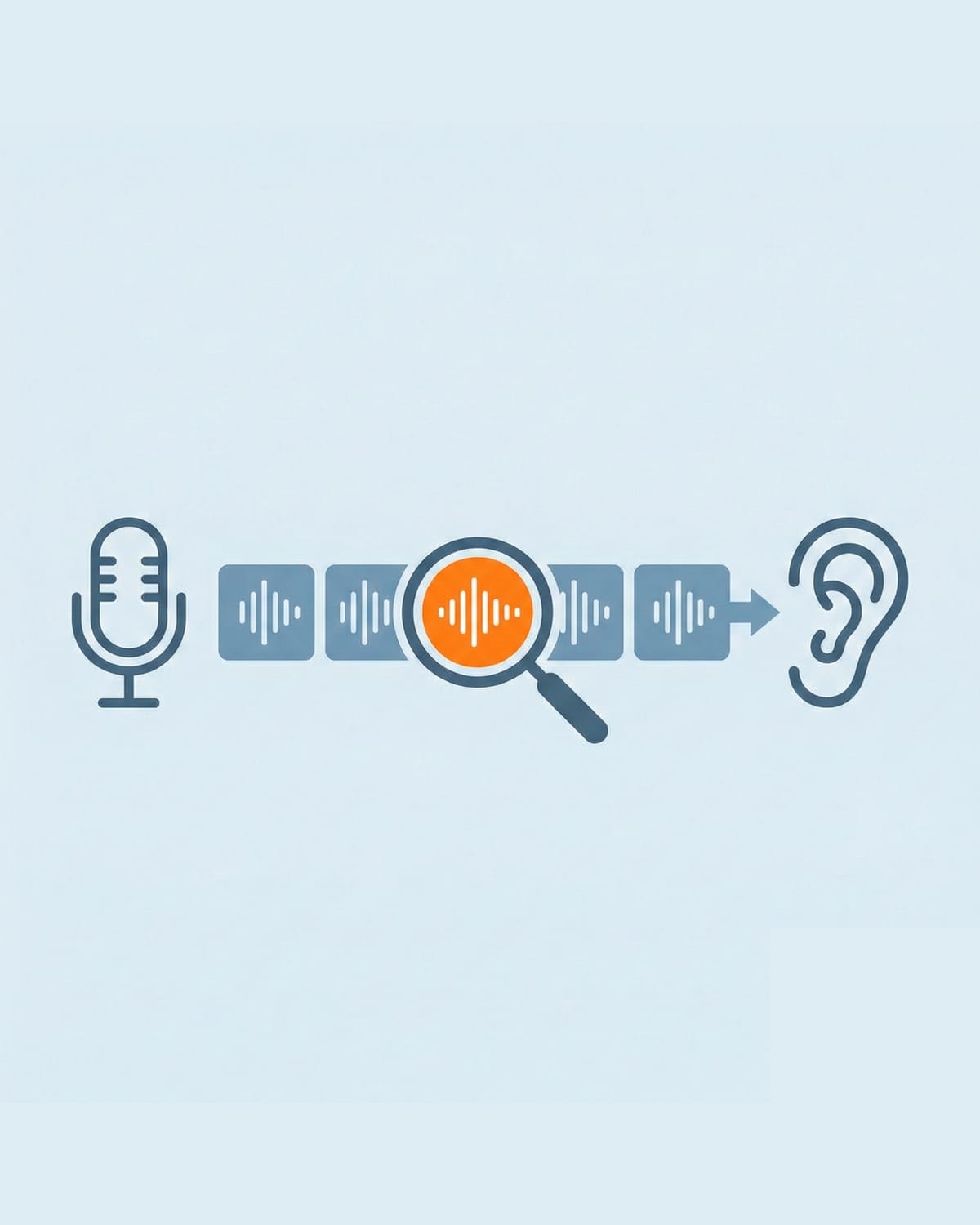
Podcast advertisers gained unprecedented control over content adjacency this week through an integration between Acast and Barometer that enables brands to evaluate and target individual episodes before programmatic bids execute. The partnership marks what the companies characterize as the podcast industry's first pre-bid targeting system operating at the episode level rather than the show level.
The integration, announced on January 21, 2026, channels every Acast podcast episode through Barometer's artificial intelligence-driven brand safety and contextual targeting infrastructure the moment creators upload content. This real-time processing scores each episode against multiple metrics, including Interactive Advertising Bureau categories and Barometer's proprietary long-form audio definitions, according to the announcement. Brands can establish their own risk and contextual parameters directly within programmatic bidding processes rather than relying on post-campaign verification.
Acast operates as the world's largest independent podcast company. The integration extends across Acast's complete inventory, encompassing newly published episodes analyzed in real-time alongside the full back catalog. Initial campaigns tested on the integration achieved 100% alignment with advertiser brand standard profiles at the episodic level, according to the companies.
The technical implementation represents an evolution from previous collaboration between the companies. Earlier partnership configurations enabled brand-suitable media buying through pre-planning workflows. The current integration advances beyond that approach by pre-vetting suitability at an episodic level for programmatic activation before episodes release to audiences.
Lauren Russo, executive vice president and managing partner for innovation and performance audio at Horizon Media, described the technical advancement's operational impact. "Barometer's ad-tech brand safety innovation has revolutionized our approach to podcast advertising," according to Russo's statement. "Through strategic partnerships with leading podcast companies like Acast, brands have greater confidence in expanding their tactical mix to include RON environments."
Run-of-network buying strategies typically involve purchasing advertisement inventory across entire podcast networks rather than selecting specific shows. The approach offers scale advantages but historically created brand safety challenges since advertisers surrendered granular control over content adjacency. Episode-level targeting combined with pre-bid verification addresses this operational tension by enabling both scale and precision.
The integration's emphasis on back-catalog processing capabilities extends targeting precision beyond new content. Many podcast networks maintain extensive archives spanning years of episodes across diverse topics, formats, and guest appearances. Barometer's system applies consistent evaluation criteria across this historical content, allowing brands to curate inventory from publishers at scale while maintaining content adjacency standards, according to Russo's statement.
Technical architecture underlying the integration relies on artificial intelligence models that interpret tone and topic at both podcast program and episode levels. This granular analysis contrasts with traditional contextual targeting approaches that applied broad categorizations at the show level. A true crime podcast might contain episodes discussing violent content unsuitable for certain advertisers alongside episodes examining investigative journalism techniques that align with different brand values.
Brand suitability represents an evolution beyond basic brand safety protections. While brand safety establishes baseline filters against inappropriate content, brand suitability enables advertisers to align campaigns with specific brand values and campaign objectives. The distinction matters in nuanced content environments like podcasts where topical diversity within individual shows requires more sophisticated evaluation than binary safe-or-unsafe classifications.
The timing coincides with broader industry movement toward enhanced contextual targeting capabilities. Amazon DSP launched brand suitability settings in November 2025, allowing advertiser-level and ad-group level customization of content adjacency preferences through API controls. The feature expanded beyond Twitch to third-party inventory, enabling advertisers to align ad placements with brand values beyond baseline brand safety protections.
Podcast advertising faces persistent challenges around content verification at scale. Audio content resists simple keyword-based analysis since meaning emerges from vocal tone, conversation dynamics, and contextual nuance that text-based systems fail to capture. The Media Rating Council issued updated policies in October 2025 requiring that brand safety verification services analyze images, videos, and audio content rather than relying solely on text and keywords.
Research examining global podcast advertising patterns reveals that contextual targeting drove 95.5% of campaigns with declared targeting parameters, while demographic targeting represented just 3.7% and brand suitability targeting fell below 1%. The overwhelming preference for contextual approaches reflects both privacy concerns and the relative maturity of contextual tools compared to demographic or suitability frameworks.
Tamara Nelson, cofounder and chief executive officer of Barometer, emphasized cross-market implications of the integration. "It has been a privilege to work with the Acast team on the integration, expanding our partnership to empower advertisers all around the world," according to Nelson's statement. "I'm over the moon about the wins the integration has already delivered for precision in both direct and programmatic campaigns."
The reference to both direct and programmatic campaigns highlights technical flexibility in implementation. Direct campaigns involve negotiated deals between advertisers and publishers with predetermined pricing and placement terms. Programmatic campaigns execute through automated auctions where multiple advertisers bid on inventory in real-time. Episode-level targeting capabilities function across both transaction models.
Valerie Reimer, vice president of adtech and product partnerships at Acast, framed the integration's value proposition around risk mitigation. "Advertisers want authenticity without risk," according to Reimer's statement. "With Barometer's episodic integration live across Acast, brands can align their standards at the episode level before a campaign even runs - pre-bid, third-party verified, and measurable. It's fast, flexible, and built for the realities of today's buying."
The pre-bid verification emphasis addresses timing considerations in programmatic advertising workflows. Real-time bidding auctions occur within approximately 100 milliseconds as web pages load or streaming content initiates. Evaluating content suitability during this compressed timeframe proves technically challenging. Pre-processing episodes before they enter programmatic inventory solves this latency problem by completing analysis before bid requests generate.
Third-party verification provides independence from both publisher and platform interests. Acast benefits financially from maximizing advertisement sales across its inventory. Advertisers require assurance that content evaluations reflect their brand standards rather than revenue optimization priorities. Barometer operates as an independent verification provider without direct financial interest in specific inventory monetization outcomes.
Measurement and reporting capabilities enable campaign optimization based on episodic targeting performance. Advertisers can analyze which content categories, topics, or tones generate desired outcomes, then refine targeting parameters for subsequent campaigns. This feedback loop supports continuous improvement in content adjacency strategies.
The integration matters within broader podcast advertising market dynamics. Podcast advertising spending surged 26% year-over-year in the third quarter of 2025, with 1,689 brands entering the channel for the first time. New brands spent an average of $33,900 during the quarter, with mid-roll placements being the most common position.
Sports podcasts attracted approximately 20% of new brands entering podcast advertising, making it the most popular genre for first-time podcast advertisers. Comedy attracted 10% of new brands, news 10%, arts 8%, and business 7%. This genre diversity underscores the importance of granular targeting capabilities since different content categories present varying brand safety and suitability considerations.
Programmatic audio infrastructure has advanced substantially, with contextual targeting representing 60% of all global targeting dimensions on AdsWizz platforms. This privacy-first approach aligns with evolving consumer expectations as third-party cookie deprecation eliminates traditional audience targeting methods. Episode-level contextual targeting enables precision without reliance on third-party identifiers.
The emphasis on brand fit rather than blunt keyword blocklists reflects maturation in advertiser approaches to content adjacency. Early brand safety implementations relied heavily on blocking content containing specific keywords or falling within broad categories. This approach generated two problems: it excluded brand-suitable content through overly broad filters, and it failed to catch unsuitable content that avoided blocked keywords.
Modern contextual understanding examines semantic meaning, emotional sentiment, and thematic relevance rather than simple keyword presence. A podcast discussing financial markets might mention bankruptcy, fraud, or economic collapse as news topics without being unsuitable for financial services advertisers. Conversely, content might avoid negative keywords while maintaining tones or perspectives misaligned with brand values.
Research examining podcast advertising targeting reveals significant gaps between consumer engagement and advertiser investment. Advertisers directed 43.5% of all age-targeted impressions to the 25-34 demographic while ignoring valuable 55+ audiences who demonstrate strong podcast consumption patterns and command significantly higher household incomes. Brand suitability filters can exclude highly engaged audiences spanning entertainment enthusiasts, culturally engaged communities, seasonal and lifestyle segments, and civically active listeners.
The integration addresses what advertisers described as a major pain point: automated, granular control over ad placement before purchases execute. Traditional approaches required either manual review of individual episodes or acceptance of uncertainty about content adjacency. Neither option scaled effectively across the thousands of episodes published daily across podcast networks.
Acast's scale amplifies the integration's significance. The company operates as Acast marketplace encompasses more than 135,000 podcasts and serves approximately 2,700 advertisers, generating approximately one billion quarterly listens. Applying episode-level verification across this inventory volume requires substantial technical infrastructure capable of processing content analysis at scale.
The partnership builds on Acast's established focus on advertising technology innovation. The company signed an exclusive global podcast deal with The Athletic in April 2025, gaining exclusive rights to sell audio advertisements across more than 35 high-quality podcasts covering major sports leagues worldwide. Sports content presents particular brand safety considerations given unpredictable discussion of controversial topics, athlete conduct issues, and competitive rivalries.
Industry measurement infrastructure continues evolving to support sophisticated targeting approaches. Nearly half of podcast listeners never skip episodes of their favorite shows, revealing audience commitment that positions podcasts as exceptionally reliable advertising vehicles. The Trade Desk and YouGov research showed 46% of U.S. podcast listeners never skip episodes, with comparable rates in the U.K. at 44% and Germany reaching 48%.
This loyalty pattern suggests episode-level targeting optimization matters significantly for campaign performance. Listeners who consume complete episodes encounter all advertisements within those episodes, making content adjacency alignment particularly valuable for brand perception and message receptivity.
The integration supports multiple use cases beyond basic brand safety. Advertisers can target episodes discussing specific topics relevant to their products or services. Financial services companies might target episodes analyzing market trends or investment strategies. Healthcare advertisers could focus on episodes examining wellness topics or medical innovations. Entertainment brands might target episodes featuring specific celebrity guests or discussing particular films or shows.
Seasonal targeting represents another application. Retail advertisers preparing holiday campaigns can target episodes recorded during relevant timeframes or discussing seasonal shopping behavior. Travel advertisers can focus on episodes examining specific destinations or travel planning strategies. Education advertisers might target back-to-school periods when listeners discuss education topics.
Crisis management capabilities emerge from real-time processing. When breaking news events occur, episode-level targeting allows advertisers to quickly adjust content adjacency parameters. A brand might temporarily exclude episodes discussing specific controversies or sensitive topics until situations resolve, then return to normal targeting parameters.
Competitive intelligence applications exist as well. Brands can analyze which episodes within competitive podcast networks attract the most advertising activity, identifying high-value content categories or formats. This intelligence informs both targeting strategies and content partnership decisions.
The measurement and verification emphasis aligns with broader programmatic advertising trends. Advertisers increasingly demand transparency about where advertisements appear, how budgets get allocated, and what outcomes campaigns generate. Recent industry analysis reveals 65% of advertisers express brand suitability concerns in walled gardens, highlighting persistent demand for verification capabilities.
Pre-bid verification prevents wasted impressions on unsuitable content rather than detecting problems after campaigns deliver. Post-campaign verification identifies issues but cannot prevent them. The distinction matters financially since advertisers typically must pay for impressions regardless of suitability, then negotiate makegoods or refunds after problems surface.
Technical implementation requires coordination between multiple systems. Acast's content management infrastructure must trigger Barometer analysis when creators upload episodes. Barometer's artificial intelligence models must process audio content, generate suitability scores, and pass metadata back to Acast's ad serving systems. Programmatic bidding platforms must receive and interpret this metadata within bid requests, then execute targeting logic based on advertiser-defined parameters.
Latency considerations affect system design. Episodes must complete analysis before programmatic inventory becomes available to avoid serving advertisements against unverified content. Processing times depend on episode length, audio quality, and analysis depth. The companies indicated that real-time processing applies to newly uploaded content, suggesting analysis completes within timeframes supporting immediate monetization.
The back-catalog processing represents substantial technical undertaking. Many podcast networks maintain years of archived episodes across thousands of shows. Applying consistent suitability analysis across this historical content requires processing potentially millions of episodes through evaluation systems originally designed for real-time analysis of new content.
Industry standardization around suitability definitions remains incomplete. Different verification providers employ varying classification systems, risk scoring methodologies, and category definitions. This fragmentation creates challenges for advertisers working across multiple podcast networks or platforms since targeting parameters may not translate consistently between providers.
The Interactive Advertising Bureau maintains content taxonomy standards intended to provide common vocabulary for describing digital content. However, podcast-specific applications of these standards continue evolving as the medium matures and advertising infrastructure sophisticates. Barometer's proprietary long-form audio definitions suggest industry-wide standards have not yet adequately addressed podcast content characteristics.
Educational requirements accompany new targeting capabilities. Agency teams and brand marketers must understand how episode-level targeting differs from show-level approaches, what suitability parameters align with specific brand values, and how to interpret performance data generated by granular targeting. Training and best practice development will likely evolve as adoption expands.
The integration arrives during significant growth in podcast advertising infrastructure. The Washington Post selected Triton Digital in November 2025 to power its podcast advertising and measurement infrastructure, deploying programmatic capabilities that enable automated buying at scale. Premium publishers increasingly embrace programmatic infrastructure that historically served display and video advertising.
Pricing implications remain uncertain. Episode-level targeting with pre-bid verification adds complexity and potentially cost to advertising transactions. Whether advertisers pay premiums for enhanced targeting capabilities or whether competition drives efficient pricing as adoption scales will influence market development.
Supply and demand dynamics will shape outcomes. If many advertisers simultaneously target narrow content categories using restrictive suitability parameters, competition for limited qualifying inventory could drive prices upward. Conversely, if episode-level targeting expands the pool of brand-suitable inventory by enabling precise inclusion rather than broad exclusion, increased supply could moderate pricing.
The integration fits within Acast's broader positioning as independent podcast company competing against platform-owned networks. Spotify, Amazon, and SiriusXM operate integrated podcast networks with captive distribution and monetization infrastructure. Independent companies like Acast must differentiate through technology capabilities, publisher relationships, and advertiser services.
SiriusXM reported podcast advertising revenue climbing nearly 50% year-over-year in the third quarter of 2025, partially offsetting declines in music streaming advertising revenue. Platform competition for podcast content and advertising dollars intensifies as audio entertainment consolidates around major players with distribution advantages.
The announcement emphasized speed, flexibility, and alignment with current buying practices. These operational characteristics matter as advertisers evaluate whether new targeting capabilities justify workflow changes, technical integrations, and potential cost increases compared to existing approaches.
Implementation across direct and programmatic transactions provides flexibility for different advertiser needs and buying preferences. Large brands with dedicated podcast budgets might negotiate direct deals incorporating episode-level targeting parameters. Performance marketers operating programmatic campaigns can access the same capabilities through automated systems without requiring one-to-one negotiations.
Barometer's positioning as leading third-party brand suitability and contextual targeting solution for podcasts suggests specialized focus on audio content characteristics. Video-focused verification providers have adapted their systems for audio applications, but podcast-native solutions may offer advantages in understanding conversational dynamics, audio cues, and long-form content structures that distinguish podcasts from other media.
The measurement and optimization feedback loops enabled by episode-level targeting support continuous improvement in podcast advertising effectiveness. Advertisers can test different content adjacency strategies, measure performance differences, and refine targeting parameters based on empirical results rather than assumptions about suitable content environments.
Who: Acast, the world's largest independent podcast company, and Barometer, a third-party brand suitability and contextual targeting solution provider for podcasts, announced the partnership. Lauren Russo from Horizon Media, Tamara Nelson from Barometer, and Valerie Reimer from Acast provided statements about the integration.
What: The companies launched the podcast industry's first pre-bid targeting integration at the episode level, enabling brands to evaluate and target individual podcast episodes before programmatic bids execute. The integration channels every Acast podcast episode through Barometer's AI-driven brand safety and contextual targeting tools at upload, scoring each episode against multiple metrics including IAB categories and proprietary long-form audio definitions.
When: The announcement occurred on January 21, 2026, with the integration currently live across Acast's entire inventory. Initial campaigns tested on the integration reported 100% alignment with advertiser brand standard profiles at the episodic level.
Where: The integration operates across Acast's complete global inventory, processing newly published episodes in real-time alongside the full back catalog. The system functions for both direct and programmatic campaigns.
Why: The integration solves a major advertiser pain point by providing automated, granular control over advertisement placement before purchases execute. It enables brands to tap into narrative influence at scale while actively managing risk, allowing campaigns to scale with unprecedented confidence through pre-bid, third-party verified, and measurable content adjacency alignment at the episode level.