Amazon Pharmacy adds Zepbound KwikPen at $299 as GLP-1 race heats up
Amazon Pharmacy expands access to Eli Lilly's Zepbound KwikPen at $299/month, combining transparent pricing, same-day delivery, and GLP-1 savings for U.S. customers.


Amazon Pharmacy expands access to Eli Lilly's Zepbound KwikPen at $299/month, combining transparent pricing, same-day delivery, and GLP-1 savings for U.S. customers.
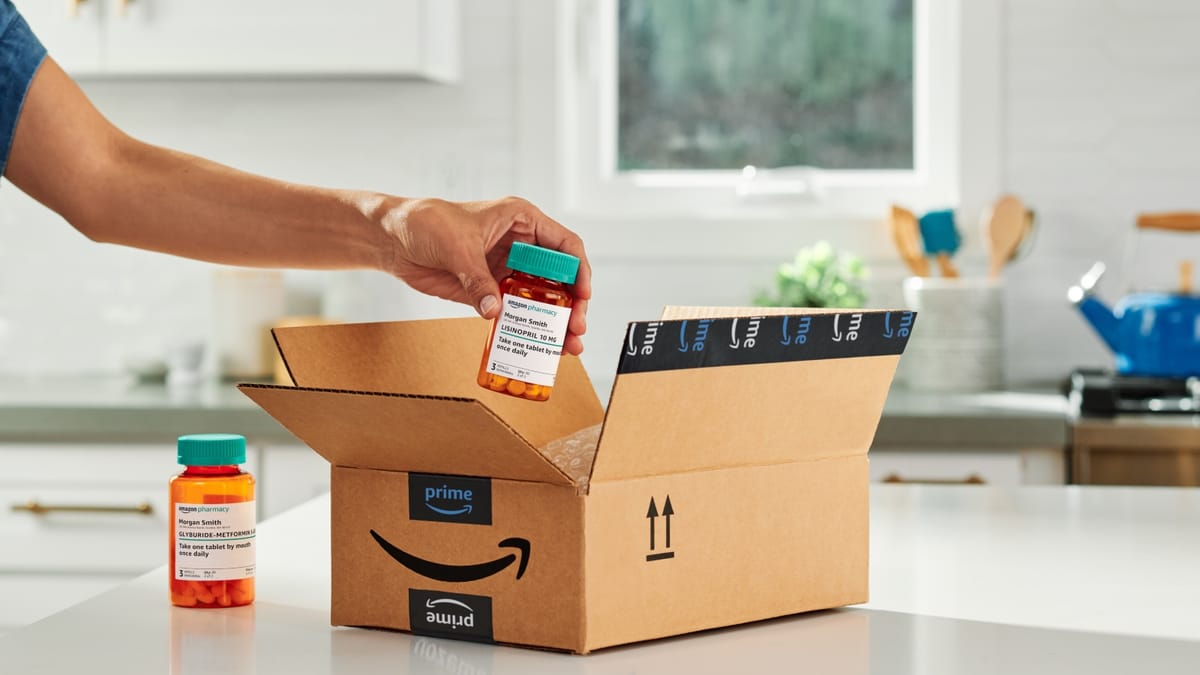
Amazon Pharmacy on March 9, 2026, announced expanded access to Eli Lilly's Zepbound KwikPen, a multi-dose injectable treatment for weight management, listing the 2.5 mg starter dose at $299 per month with transparent cash-pay pricing visible before checkout. The move extends the Seattle-based company's push into prescription drug retail, where it has been distributing GLP-1 medications since 2021 - and it arrives as competition among pharmacy and health platforms for obesity treatment customers intensifies sharply.
The Zepbound KwikPen is a single device that delivers a full month of medication, reducing the number of individual injection devices that patients must handle compared to earlier formats. With a valid prescription, customers can place orders through pharmacy.amazon.com or through the Amazon app. According to the announcement, the medication is delivered directly to the customer's door.
The device distinction matters clinically and logistically. Eli Lilly's Zepbound (tirzepatide) is already one of the most prescribed injectable weight management treatments in the United States. The active ingredient targets both GIP and GLP-1 receptors, a dual-agonist mechanism that distinguishes it from single-receptor GLP-1 drugs such as semaglutide. The KwikPen format consolidates what was previously multiple single-dose auto-injectors into one multi-dose pen intended to last a full calendar month. For patients managing a chronic treatment protocol, that consolidation reduces the number of device interactions, simplifies storage, and lowers the likelihood of errors associated with handling several separate injectors over four weeks.
The drug is approved by the U.S. Food and Drug Administration for two clinical indications: weight management in adults, when used alongside diet and exercise, and the treatment of obesity in adults with moderate-to-severe obstructive sleep apnea. The sleep apnea approval is notable because it positions Zepbound beyond purely aesthetic or metabolic weight loss applications, giving prescribers and payers a medically distinct rationale for the drug.
At $299 per month for the 2.5 mg dose - the dose used in the initial weeks of treatment - Amazon Pharmacy is pricing the starter tier below the list price that patients without insurance typically encounter at traditional retail pharmacies. The company does not specify pricing for higher maintenance doses (5 mg, 7.5 mg, 10 mg, 12.5 mg, and 15 mg) in the announcement.
Amazon Pharmacy has positioned price transparency as a core feature since its launch. According to the announcement, customers see exactly what a medication costs before completing checkout, which contrasts with the opaque pricing structures that often characterize traditional pharmacy benefit management. The company also automatically applies manufacturer-sponsored coupons at checkout. To date, according to the announcement, customers have saved more than $200 million through that automatic coupon program, with GLP-1 medications representing the largest single category of savings within that total.
That figure reflects how central the obesity drug category has become to the service's business. GLP-1 and dual-agonist drugs are among the most expensive medications in widespread use in the United States. For patients paying without insurance, monthly costs can range from several hundred to over a thousand dollars depending on dose and drug. Manufacturer-sponsored coupons and direct cash-pay programs have become the primary access mechanism for a large portion of this population.
Tanvi Patel, Vice President and General Manager of Amazon Pharmacy, addressed the rationale directly: "Convenient access to medications and clear, transparent pricing are at the heart of what we do at Amazon Pharmacy. By expanding access to the Zepbound KwikPen with upfront self-pay pricing, we're making it easier for customers to get the treatments their doctors prescribe in a simpler way - delivered directly and reliably to their homes."
The logistics dimension of this announcement is significant. Amazon Pharmacy today reaches nearly 3,000 cities and towns through Same-Day Delivery - a network that the company has committed to expanding to nearly 4,500 cities and towns by the end of 2026. That expansion, adding roughly 2,000 new communities, specifically targets areas experiencing what public health researchers call pharmacy deserts - communities where residents face significant obstacles accessing prescription medications due to closures, staffing shortages, or transportation barriers.
The first order of each new medication receives free delivery. Same-Day Delivery currently covers more than half of U.S. households. The logistics infrastructure supporting these timelines relies on Amazon's broader fulfillment and last-mile network, which delivered more than 13 billion items the same or next day to Prime members worldwide in 2025, representing a 30% increase compared to 2024.
For Zepbound KwikPen specifically - a refrigerated injectable drug - cold-chain logistics add complexity. Amazon does not detail its temperature-controlled delivery protocols in this announcement, but the company's pharmacy infrastructure already handles other cold-chain medications, which suggests existing capability in this area.
Beyond price and speed, Amazon Pharmacy highlights two service features with particular relevance to chronic condition management. The first is a caregiver support function that enables family members or designated caregivers to manage prescriptions on behalf of loved ones - a meaningful capability for elderly patients or individuals managing complex medication regimens who may benefit from a family member's logistical support.
The second is 24/7 access to licensed pharmacists. Obesity medications such as Zepbound require careful dose titration over weeks and months, with regular patient education about injection technique, side effect management, and dose escalation timing. Access to a pharmacist at any hour is meaningfully different from what traditional pharmacy models provide, where pharmacist consultations are limited to business hours and often constrained by counter traffic.
These service features position Amazon Pharmacy closer to the clinical support model than a pure fulfillment business. They also reflect broader industry pressure to differentiate pharmacy services in an environment where drug pricing alone is an increasingly contested arena.
Amazon Pharmacy does not operate as an isolated channel. According to the announcement, the service works with healthcare providers, industry collaborators, and digital health companies including LillyDirect, WeightWatchers, UpScriptHealth, and Noom to expand access to weight management treatments. These partnerships span the prescription-to-dispensing pathway: UpScriptHealth operates as a telehealth prescribing service, Noom and WeightWatchers provide behavioral coaching and support programs, and LillyDirect is Eli Lilly's own direct-to-patient platform.
This network of integrations is relevant to the marketing community because it illustrates how pharmaceutical retail media and health commerce ecosystems are evolving. Rather than a single pharmacy-to-patient relationship, the model involves multiple touchpoints - clinical evaluation, prescription, fulfillment, behavioral support, and ongoing management - each of which represents a separate advertising and customer acquisition context.
For patients requiring comprehensive clinical support beyond pharmacy access, Amazon One Medical - the company's primary care membership service - offers personalized clinical evaluations, evidence-based treatment recommendations, and ongoing care management, including medication prescribing tailored to individual health needs. That service, launched its Health AI assistant in January 2026, represents an additional layer in Amazon's integrated health commerce stack.
The advertising implications of this announcement extend beyond the pharmacy sector. Amazon's health and wellness infrastructure - combining a pharmacy, a primary care service, a health AI assistant, and an expanding delivery network - creates a vertically integrated health commerce platform that competes directly with specialty pharmacy chains, telehealth prescribing services, and traditional retail pharmacies simultaneously.
For pharmaceutical advertisers, the shift is structural. Amazon Pharmacy's partnership with LillyDirect reflects how drug manufacturers are building direct distribution channels that bypass traditional pharmacy benefit managers. These direct-to-patient channels create first-party data pools - purchase histories, refill patterns, clinical outcomes - that are potentially valuable for targeted advertising and customer retention programs.
Google's implementation of certification requirements for healthcare advertisers in July 2025 signals that the regulatory environment around pharmaceutical digital marketing is tightening. Advertisers in the United States, Canada, and New Zealand must now obtain approval before using personalized targeting for restricted drug terms targeting healthcare professionals. As GLP-1 and dual-agonist drugs move into broader consumer awareness, the intersection of pharmaceutical advertising rules and consumer health platforms will become more commercially significant.
Amazon's own advertising business generated $17.7 billion in revenue in the third quarter of 2025, according to reporting in PPC Land's coverage of Amazon's advertising infrastructure overhaul at unBoxed 2025. The health and wellness category, including GLP-1 medications, is among the highest-value segments in Amazon's advertising ecosystem. Healthcare and pharmaceutical advertisers operating within Amazon's retail media network are directly affected by the expansion of Amazon's pharmacy footprint because the pharmacy expands the customer dataset available for sponsored product targeting, remarketing, and purchase-event measurement.
The GLP-1 savings category - described in the announcement as the largest single savings category in Amazon Pharmacy's $200 million coupon program - also illustrates the scale of consumer spending in this space and the commercial logic of Amazon's investment in this product vertical.
Amazon's healthcare build-out has accelerated over the past several years. The company acquired One Medical in 2023 for approximately $3.9 billion. Amazon Pharmacy has been operational since 2020. The company has also partnered with health technology companies and telehealth providers to create a broader ecosystem around prescription access. The Zepbound KwikPen announcement connects directly to the same-day delivery expansion announced in February 2026, which specifically cited Idaho and Massachusetts as new states receiving expanded same-day prescription service.
The weight management drug market is one of the fastest-growing pharmaceutical segments globally. Tirzepatide's approval for obstructive sleep apnea in 2024 expanded the eligible patient population beyond weight loss indications. Demand has persistently outstripped supply in some dosage configurations, though supply constraints appear to have eased by early 2026. Amazon Pharmacy's entry into KwikPen distribution signals that supply is now sufficient to support broad retail availability at a fixed self-pay price.
Who: Amazon Pharmacy, a full-service digital pharmacy operated by Amazon (NASDAQ: AMZN), in partnership with Eli Lilly, maker of the Zepbound KwikPen. The announcement also involves digital health partners including LillyDirect, WeightWatchers, UpScriptHealth, and Noom.
What: Amazon Pharmacy announced the availability of Eli Lilly's Zepbound KwikPen - a multi-dose injectable treatment for weight management and obesity-related obstructive sleep apnea - at transparent cash-pay pricing starting at $299 per month for the 2.5 mg starter dose. The service includes Same-Day Delivery to more than half of U.S. households, 24/7 pharmacist access, automatic coupon application, and caregiver prescription management.
When: The announcement was made on March 9, 2026.
Where: The service is available nationwide in the United States through pharmacy.amazon.com and the Amazon app. Same-Day Delivery currently covers nearly 3,000 cities and towns, expanding to nearly 4,500 by the end of 2026.
Why: Amazon is expanding its position in the high-growth GLP-1 and weight management pharmaceutical market by offering transparent pricing, logistical convenience, and integrated health services - combining pharmacy access, primary care via Amazon One Medical, and behavioral health partnerships - at a time when demand for obesity and metabolic disease treatments is at record levels in the United States.