Amazon Same-Day grocery delivery reaches 2,300 cities across the U.S.
Amazon expanded Same-Day Delivery for fresh groceries to over 2,300 U.S. cities by December 2025, with perishables becoming top sellers and Prime members shopping twice as often.


Amazon expanded Same-Day Delivery for fresh groceries to over 2,300 U.S. cities by December 2025, with perishables becoming top sellers and Prime members shopping twice as often.
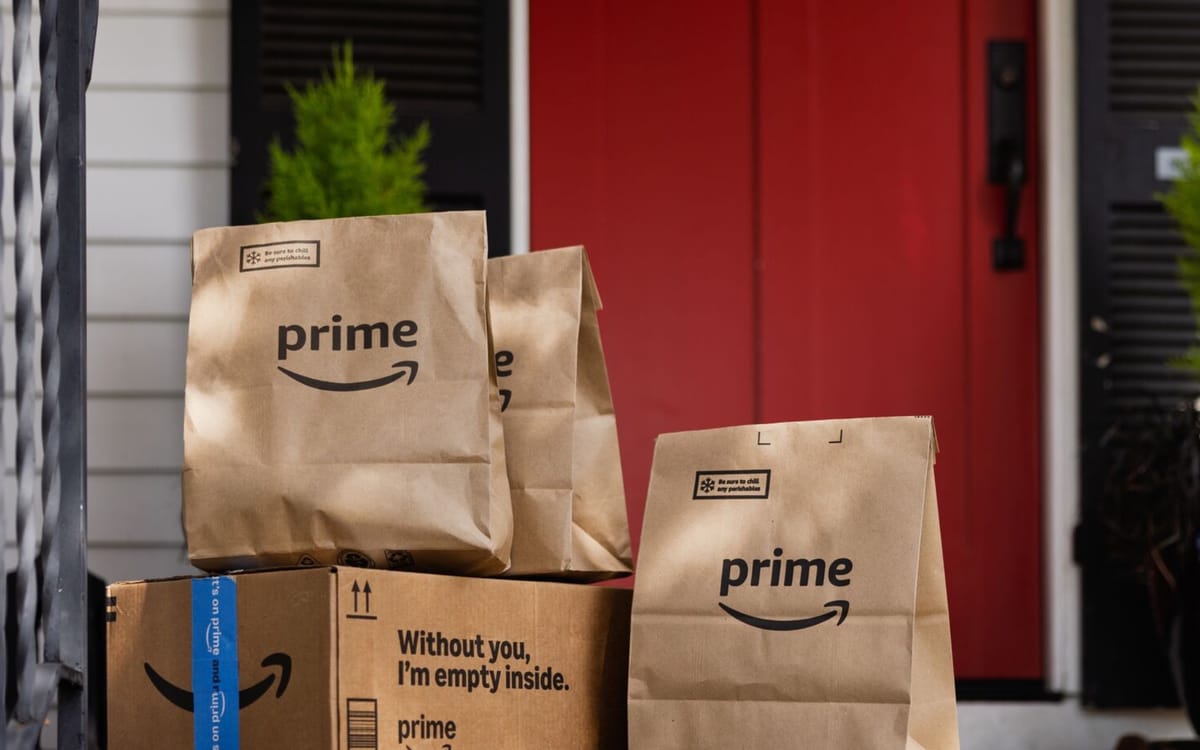
Amazon expanded its Same-Day Delivery service for perishable groceries to more than 2,300 cities and towns across the United States by December 2025, marking one of the largest geographic expansions since the service launched in select markets earlier in the year. The announcement made on December 10, 2025, revealed that fresh fruits, vegetables, dairy, meat, seafood, baked goods, and frozen foods now dominate the platform's bestseller list, with nine of the top ten most-ordered items being perishables.
The rapid expansion follows the initial rollout to areas of Seattle, Los Angeles, Dallas, Chicago, Miami, and New York City during the summer months. According to the announcement, perishable grocery sales have grown 30 times since January as more customers integrate fresh food purchases into their regular Amazon orders.
Subscribe PPC Land newsletter ✉️ for similar stories like this one
The service allows customers to order fresh groceries alongside electronics, books, pantry staples, snacks, and household essentials for delivery within hours. Prime members receive free Same-Day Delivery on orders over $25 in most areas. Orders below this threshold incur a $2.99 fee for Prime members, while customers without Prime membership pay $12.99 regardless of order size.
"The selection, value, and convenience of Same-Day Delivery from Amazon makes grocery shopping that much easier for families across the country," said Doug Herrington, CEO of Worldwide Amazon Stores, according to the announcement. "We're seeing customers combine their fresh grocery orders with their regular Amazon purchases, like electronics, gifts, clothes, and household essentials, in ways that make their lives easier and save them valuable time."
The latest expansion now includes areas of Boise, Idaho; Salt Lake City, Utah; Fort Collins, Colorado; Omaha, Nebraska; Sugar Land, Texas; Des Moines, Iowa; Kennesaw, Georgia; and Gaithersburg, Maryland. The company indicated additional growth will continue throughout 2026.
The dominance of fresh groceries in Same-Day Delivery orders represents a significant shift in customer purchasing behavior. Strawberries, banana bunches, Honeycrisp apples, limes, Haas avocados, blackberries, organic banana bunches, blueberries, and navel oranges occupy the top nine positions among millions of items available through the service. A 12-pack of bathroom tissue ranks as the tenth bestselling item.
Data from the announcement shows customers who add fresh groceries to their Same-Day Delivery orders shop about twice as often as those who do not. This increased frequency suggests the integration of perishables creates a more compelling value proposition for regular platform usage.
The company expanded its fresh grocery selection available for Same-Day Delivery by more than 30% since August. This includes customer favorites from Whole Foods Market, such as La Boulangerie Croissant Toast, and items from Amazon Grocery, the company's private brand that now includes over 1,000 products—most priced under $5.
According to the announcement, popular Amazon Grocery items include a 12-count pack of string cheese, a gallon of whole milk, an 18-count carton of cage-free large white eggs, and a 16-ounce package of Roma tomatoes. Regional preferences have emerged across different parts of the country. Northeast customers favor chocolate chip muffins, broccoli florets, and raw shrimp. Southern shoppers order Atlantic salmon, lemonade, and chicken pot pies. Western customers purchase cold brew coffee, chicken thighs, and probiotic drinks, while Midwest buyers select wheat bread, bacon, and pepperoni pizza.
Amazon's Same-Day Delivery network expansion aligns with broader efforts to improve delivery speeds for Prime members globally. The company stated it is on track to deliver at its fastest speeds ever for Prime members globally for the third year in a row.
The integration of perishable groceries into the existing Same-Day Delivery infrastructure required developing temperature-controlled logistics capabilities across a distributed network of fulfillment centers. The Freshness Guarantee—now available with the service—provides customers confidence to order perishable groceries through Same-Day Delivery. According to the announcement, thousands of grocery items display the Freshness Guarantee badge on Amazon.com, indicating the perishable groceries will arrive as expected or Amazon will make it right.
Amazon generated over $100 billion in gross sales of groceries and household essentials in 2024, serving over 150 million Americans. The announcement indicated Amazon's Same-Day grocery delivery network operates alongside Whole Foods Market, Amazon Fresh, and various local grocery and specialty retailers available on Amazon.com to provide quality selection, competitive prices, and convenient shopping options.
The grocery expansion builds on Amazon's Same-Day Delivery infrastructure development, which reached 1,000 cities in August 2025 before scaling to the current 2,300-plus locations by December. The company announced in August plans to reach over 2,300 locations by year-end, a target now achieved according to the December update.
The expanded delivery network increases Amazon's reach into local markets previously underserved by major e-commerce platforms. For advertising professionals, this geographic expansion creates new opportunities for targeting grocery shoppers across more markets. Consumer packaged goods brands seeking to reach high-intent shoppers at the point of purchase decision now have access to a broader geographic footprint.
Amazon's integration of grocery delivery with existing logistics networks demonstrates operational capabilities in handling complex supply chains. This infrastructure supports advertising solutions requiring precise targeting and measurement across multiple product categories and geographic regions. The emphasis on Prime member benefits reinforces the subscription model's importance to the advertising ecosystem.
Amazon's in-store digital signage advertising program, which launched in July 2024, bridges digital and physical retail spaces at Whole Foods Market and Amazon Fresh locations. The expanded Same-Day Delivery network complements these physical retail advertising capabilities by extending Amazon's grocery presence through digital commerce channels.
The timing aligns with broader industry trends in retail media. Digital advertising revenue hit $259 billion in 2024, with commerce media including retail media networks rising 23% to $53.7 billion. Amazon's advertising revenue reached $15.7 billion in the second quarter of 2025, representing a 22% year-over-year increase. The company's advertising business operates at a $69 billion annual revenue run rate, with significant contributions from retail media capabilities.
The shift in customer behavior toward ordering groceries alongside other products creates cross-category purchase opportunities that benefit advertisers across multiple sectors. When customers order cookware for Same-Day Delivery, they can now add everything needed for recipes—fresh vegetables, broth, noodles, herbs, chicken, and serving bowls—in one order, according to earlier announcements about the service.
Prime membership extends grocery savings and convenience through the free Same-Day Delivery benefit, reinforcing the subscription's value proposition. This aligns with Amazon's strategy of building customer loyalty through integrated services. Prime members also gained the ability to add items to upcoming deliveries with a single tap through the "Add to Delivery" feature announced in October 2025, further streamlining the shopping experience.
The company's approach to grocery delivery represents a departure from traditional supermarket models. Rather than operating as a standalone grocery service, Amazon integrates perishables into a broader e-commerce ecosystem that includes approximately 350 million products. This creates a fundamentally different shopping context compared to dedicated grocery platforms or traditional retail environments.
Buy ads on PPC Land. PPC Land has standard and native ad formats via major DSPs and ad platforms like Google Ads. Via an auction CPM, you can reach industry professionals.
Amazon's grocery expansion occurs amid intensifying competition in online grocery delivery and retail media. The company faces competition from established grocery chains expanding their e-commerce capabilities, as well as specialized delivery services focused exclusively on groceries and convenience items.
The integration strategy differentiates Amazon's approach from competitors. While specialized quick commerce providers typically focus exclusively on groceries and convenience items, Amazon Now—the company's fastest delivery service—encompasses a broader product range including electronics and fashion accessories. Amazon Now delivers essentials in 15 minutes across UAE neighborhoods through micro fulfillment centers, demonstrating the company's ability to operate ultra-fast delivery in select markets.
For marketing professionals focused on measurement and attribution, Amazon's first-party data integration distinguishes its advertising capabilities from competing platforms. The company's e-commerce infrastructure provides shopping behavior insights that inform advertising strategies across inventory. This data advantage becomes more valuable as the grocery customer base expands across additional geographic markets.
The geographic expansion to 2,300 cities creates scale advantages for advertisers planning national campaigns with local execution. Rather than coordinating with multiple regional grocery chains or delivery services, brands can access a unified platform with consistent targeting and measurement capabilities across markets.
The service's success depends on operational execution at scale. Temperature-controlled logistics, inventory management across thousands of SKUs, and coordination between fulfillment centers and delivery networks all require sophisticated systems. Amazon's ability to maintain product quality and delivery speed as the service expands will determine whether the early customer adoption patterns continue in newly launched markets.
The announcement indicated the company will continue expanding to additional cities and towns with ever-growing selection and new experiences designed to deliver orders faster than before. This suggests ongoing investment in the infrastructure supporting grocery delivery, potentially creating additional advertising inventory and customer touchpoints in future quarters.
Subscribe PPC Land newsletter ✉️ for similar stories like this one
Subscribe PPC Land newsletter ✉️ for similar stories like this one
Who: Amazon Stores, led by CEO Doug Herrington, expanded the Same-Day Delivery service for fresh groceries. Prime members receive free delivery on orders over $25, while non-Prime customers pay $12.99 per order. Over 150 million Americans already use Amazon as a grocery destination.
What: Amazon expanded Same-Day Delivery for perishable groceries to more than 2,300 cities and towns across the United States. The service includes fresh fruits, vegetables, dairy, meat, seafood, baked goods, and frozen foods available alongside millions of other products. Fresh groceries now represent nine of the top ten bestselling items in Same-Day Delivery. The company expanded fresh grocery selection by more than 30% since August, including thousands of items from Whole Foods Market and over 1,000 products from the Amazon Grocery private brand.
When: The December 10, 2025, announcement reported that availability grew to over 2,300 cities and towns from initial launches in select markets during summer 2025. Perishable grocery sales grew 30 times since January 2025. Additional expansion is planned for 2026.
Where: The service operates across more than 2,300 cities and towns in the United States, including newly added areas of Boise, Idaho; Salt Lake City, Utah; Fort Collins, Colorado; Omaha, Nebraska; Sugar Land, Texas; Des Moines, Iowa; Kennesaw, Georgia; and Gaithersburg, Maryland. The network operates through Amazon's Same-Day Delivery infrastructure alongside Whole Foods Market, Amazon Fresh, and other retail partners.
Why: The expansion addresses customer demand for fast delivery, consistently low prices, and shopping convenience. Data shows customers who add fresh groceries to Same-Day Delivery orders shop about twice as often as those who do not. Amazon generated over $100 billion in gross sales of groceries and household essentials in 2024, positioning grocery as a strategic priority for the company's retail operations and Prime membership value proposition.