DAX brings DISQO's measurement tools to every audio campaign
DAX US partners with DISQO on January 6, 2026, to provide accessible brand lift measurement across podcast and streaming audio inventory reaching 108 million listeners.


DAX US partners with DISQO on January 6, 2026, to provide accessible brand lift measurement across podcast and streaming audio inventory reaching 108 million listeners.
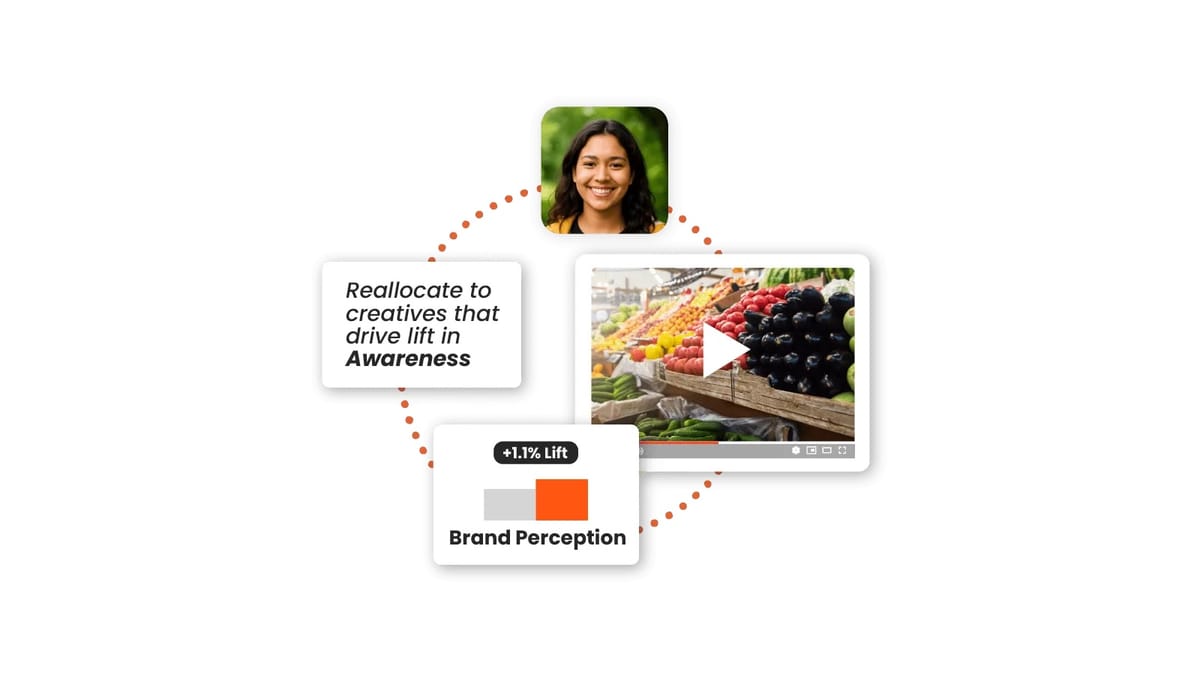
Digital audio advertising gained comprehensive measurement capabilities through a partnership announced January 6, 2026, between DAX US and DISQO. The collaboration makes brand lift measurement accessible across every audio campaign running through DAX's podcast and music streaming portfolio, according to the announcement.
DAX US operates as a digital advertising exchange owned by Global, connecting brands with audiences across music, radio, podcasts, and mobile games. Through the exchange, advertisers can reach more than 108 million listeners with what the company describes as impactful formats, smart targeting, and effectiveness tools. The partnership with DISQO introduces systematic measurement capabilities to quantify how digital audio impacts brand metrics including awareness and consideration.
According to Brian Conlan, President of DAX US, advertisers want to understand how digital audio impacts brand outcomes beyond reach and frequency metrics. The partnership gives every marketer the option to activate brand lift measurement to prove performance and inform data-driven decisions when media planning.
DISQO positions itself as the most advanced platform for measuring advertising effectiveness across channels. The company measures brand lift and performance incrementality across every media channel to power data-driven decisions, according to its materials. Trusted by 500 brands and 150 agency and media partners, DISQO focuses on redefining measurement capabilities in advertising.
Subscribe PPC Land newsletter ✉️ for similar stories like this one
The measurement platform enables DAX to design, launch, and monitor campaigns with real-time reporting of brand lift metrics. Beyond traditional brand key performance indicators, the system measures how audio impacts consumer journey actions including website visits and online search. This dual measurement approach addresses both attitudinal shifts and behavioral outcomes resulting from audio advertising exposure.
Armen Adjemian, CEO and Founder of DISQO, characterized the partnership as helping advertisers unlock the full impact of every campaign and media dollar spent. The suite of products enables brand marketers to move beyond impressions and measure brand and performance outcomes while optimizing toward data-driven results.
The partnership addresses persistent measurement challenges in digital audio advertising. Audio commanded 20% of consumer media time according to Interactive Advertising Bureau research released June 24, 2025, yet attracted only 2.9% of digital advertising revenue as of April 2025. This 22-percentage-point gap represents chronic underinvestment in a medium that demonstrates strong consumer engagement.
Measurement standardization has emerged as a critical factor limiting audio advertising growth. Traditional metrics focus on reach and frequency without quantifying brand impact or conversion influence. The DAX-DISQO partnership introduces systematic brand lift studies that measure attitudinal changes among exposed audiences compared to control groups, providing causal evidence of advertising effectiveness rather than correlational signals.
Brand lift measurement has become standard practice for evaluating upper-funnel advertising effectiveness across major platforms. YouTube, TikTok, and Amazon offer brand lift studies measuring changes in awareness, consideration, favorability, and purchase intent among consumers exposed to advertising compared to control groups. These studies typically survey consumers after ad exposure to quantify campaign impact on brand perceptions.
The distinction between platform-provided and independent measurement matters for advertiser confidence. Platform measurement systems may emphasize favorable performance indicators without providing cross-channel context. Independent measurement enables objective assessment of channel effectiveness compared to platform-provided analytics, addressing advertiser concerns about measurement reliability in digital audio.
DAX's premium publisher portfolio includes Deezer, LiveOne, AccuRadio, Live365, and HitsRadio.com. The exchange launched in 2014 in the United Kingdom and 2017 in the United States with headquarters in New York City's Penn District. Global, the parent company, operates as Europe's largest audio and outdoor company within the Media & Entertainment Group.
DISQO's measurement capabilities extend beyond brand lift to include Outcomes Lift, which measures the incremental impact advertising drives to search and site visitation for brands and categories. This behavioral measurement complements attitudinal brand lift metrics by tracking concrete consumer actions resulting from advertising exposure. The combination enables advertisers to understand both how consumers think about brands and how they behave following ad exposure.
Real-time reporting capabilities enable in-flight campaign optimization. Rather than waiting for post-campaign analysis, advertisers can monitor brand lift metrics as campaigns progress and adjust tactics based on performance data. This approach contrasts with traditional measurement methodologies that provide insights only after campaign completion, limiting opportunities for tactical adjustments.
The partnership underscores DAX's commitment to delivering transparency, accountability, and actionable insight for advertisers navigating the multi-platform audio landscape. As consumer behavior continues fragmenting across platforms and content availability expands, measurement becomes increasingly critical for marketing campaign success according to the announcement materials.
Cross-platform measurement has gained prominence as advertising campaigns span multiple channels simultaneously. Comscore expanded its cross-platform reporting suite on December 15 to include streaming audio measurement alongside television, connected TV, digital publishers, and social platforms. The audio measurement addition addressed a persistent gap where audio advertising historically operated in silos from other digital channels despite growing consumer engagement.
The measurement infrastructure supporting programmatic audio has advanced substantially throughout 2025. Amazon and SiriusXM expanded programmatic audio reach through Amazon DSP integration in September 2025, providing marketers access to 160 million monthly digital listeners through the AdsWizz Supply Side Platform. The partnership leveraged Amazon's first-party insights paired with clean room technology to increase efficiency and improve performance through artificial intelligence.
Audio measurement capabilities within major demand-side platforms now provide comprehensive campaign analytics including reach, frequency, completion rates, and conversion attribution. These metrics enable advertisers to evaluate audio campaign performance alongside other media channels within unified reporting dashboards. The measurement framework supports optimization decisions that improve return on advertising spend across omnichannel campaigns.
Industry research demonstrates that 72% of marketers plan to increase programmatic advertising investment in 2025, with audio and podcast advertising growing from 7% to 9% of total programmatic spending according to analysis released January 21, 2025. This planned investment increase provides foundation for transformations in audio advertising infrastructure and measurement capabilities.
Buy ads on PPC Land. PPC Land has standard and native ad formats via major DSPs and ad platforms like Google Ads. Via an auction CPM, you can reach industry professionals.
Programmatic audio adoption has accelerated as major platforms introduce self-serve buying capabilities and standardized transaction mechanisms. Audio will become a fully omnichannel, identity-powered medium by 2026 according to industry predictions. Rather than evolving audio-specific metrics in isolation, advertisers will measure audio using the same commerce, behavioral, and cross-device signals that power connected television, retail media, and video.
The technical challenge that measurement providers address involves accurately identifying unique viewers across devices, formats, and platforms without compromising privacy. Traditional measurement approaches often count the same viewer multiple times across different platforms, inflating reach numbers and reducing campaign effectiveness insights. Sophisticated measurement systems provide accurate audience counting across digital ecosystems while maintaining privacy standards.
Brand lift studies typically operate through survey methodology with control groups to isolate the actual impact of advertising exposure. Participants receive brief surveys approximately one day after seeing or not seeing advertisements. The difference in response rates between exposed and control groups quantifies the lift attributable to advertising rather than organic brand awareness or consideration changes.
Statistical validity requires sufficient sample sizes to detect meaningful differences between exposed and control groups. Minimum budget thresholds ensure campaigns deliver adequate impressions to exposed populations for measurement purposes. Flight length specifications ensure campaigns run long enough to capture brand impact changes rather than immediate response effects.
For DAX advertisers, the integration eliminates operational barriers to measurement adoption. Rather than negotiating separate measurement partnerships or implementing complex technical integrations, advertisers can activate brand lift measurement as campaigns launch. This accessibility democratizes measurement capabilities that previously required substantial campaign budgets or sophisticated technical infrastructure.
The partnership addresses market dynamics where audio advertising effectiveness has been difficult to quantify compared to digital channels offering granular performance metrics. Display and video advertising provide detailed attribution data connecting exposures to conversions through click-through tracking and view-through attribution windows. Audio advertising has historically relied on reach and frequency metrics without systematic attribution to outcomes.
Outcomes Lift measurement capabilities within the DISQO platform extend beyond traditional brand metrics to track behavioral signals including search behaviors and website visitation. This measurement approach connects advertising exposure to concrete consumer actions rather than solely attitudinal shifts. The methodology enables advertisers to understand how audio advertising influences consumer research behaviors and site engagement.
The audio advertising market faces measurement challenges that contribute to underinvestment relative to consumer attention. Media Mix Models have historically represented audio with a single input—spend—rather than the granular performance metrics available for display and video formats. This measurement gap creates a cycle where limited investment reduces data availability, which in turn makes attribution more difficult.
Self-serve platforms represent one approach to closing the investment gap by reducing operational costs associated with serving smaller advertisers. DAX's partnership with DISQO provides measurement capabilities accessible to advertisers at multiple budget levels rather than restricting advanced measurement to major accounts with dedicated support teams.
StackAdapt integrated iHeartMedia broadcast radio inventory into its programmatic platform on November 10, 2025, enabling marketers to plan, forecast, purchase, measure, and report on AM/FM broadcast alongside digital audio, streaming, and podcast inventory within a single platform. The integration eliminated manual workflows and enabled data-driven campaign execution across multiple audio formats simultaneously.

The shift toward comprehensive audio measurement reflects broader industry trends addressing media landscape fragmentation. Advertisers managing campaigns across television, streaming, digital, social, and audio environments require unified measurement frameworks providing single sources of truth for audience metrics. Platform-specific reporting without cross-channel context limits strategic planning and budget allocation decisions.
Frequency management proves particularly valuable in multi-channel environments. Excessive frequency can lead to diminishing returns or audience fatigue, while insufficient frequency may fail to build adequate brand awareness. By measuring campaigns with systematic brand lift studies, advertisers can optimize frequency targets based on actual brand impact rather than arbitrary exposure thresholds.
The announcement positions both companies within competitive markets for audio advertising infrastructure and measurement technology. Multiple platforms have introduced brand lift capabilities throughout 2024 and 2025, reflecting advertiser demand for effectiveness measurement beyond delivery metrics. The differentiation comes through accessibility, real-time reporting, and integration with campaign activation workflows.
For marketing professionals, the partnership represents an opportunity to leverage measurement capabilities that enable data-driven optimization of audio campaigns. The ability to quantify brand impact during campaign flights rather than solely through post-campaign analysis enables tactical adjustments that improve performance. This approach contrasts with traditional audio buying where effectiveness remained largely unmeasured until campaign completion.
The integration occurs as audio consumption patterns continue fragmenting across platforms and devices. Consumers access audio content through streaming music services, podcast applications, connected speakers, mobile devices, and in-vehicle systems. This fragmentation complicates measurement while simultaneously increasing the importance of cross-device tracking and unified audience metrics.
Privacy regulations and declining third-party cookie availability have complicated cross-channel attribution throughout the advertising ecosystem. Measurement solutions must provide insights while respecting consumer privacy expectations and regulatory requirements. Panel-based measurement methodologies using representative samples offer one approach to balancing measurement needs with privacy compliance.
The DAX-DISQO partnership demonstrates continued investment in audio advertising infrastructure despite the persistent gap between consumer attention and advertiser spending. Companies developing sophisticated measurement capabilities signal confidence that quantifying effectiveness will drive increased investment allocation to audio channels. The hypothesis holds that measurement limitations rather than channel effectiveness explain underinvestment.
Industry case studies support this hypothesis. Hyundai Turkiye's campaign for the IONIQ 6 EV utilized programmatic audio technology to precisely target listeners, dynamically delivering in-game audio ads based on behavior and context. AudioPixel technology tracked conversions from ad exposure to actions like scheduling test drives, achieving a 1.3% conversion rate and generating over 8,000 leads according to research published in July 2025.
The technical infrastructure required for real-time brand lift measurement involves integrating survey delivery systems with advertising servers. As campaigns deliver impressions to target audiences, measurement systems identify samples of exposed individuals for survey participation. Control group participants who meet targeting criteria but did not receive advertising exposure also receive surveys. The system aggregates responses and calculates lift metrics as data accumulates.
Timing windows between advertising exposure and survey delivery affect measurement accuracy. Immediate surveys capture initial reactions but may miss delayed processing of advertising messages. Surveys delivered days after exposure better capture consideration changes but risk contamination from other marketing activities or competitive advertising. The one-day window commonly used in brand lift studies balances these competing considerations.
For DAX specifically, the measurement capabilities extend across its full publisher portfolio spanning multiple audio formats. Podcast advertising measurement addresses unique challenges compared to streaming music given content variation and listening contexts. Gaming audio represents another distinct environment where measurement methodologies must account for interactive elements and engagement patterns different from passive listening.
The partnership's emphasis on accessibility reflects recognition that measurement adoption correlates with ease of implementation. Complex technical integrations or lengthy setup processes create barriers limiting measurement usage to sophisticated advertisers with technical resources. By embedding measurement activation within campaign workflows, the partnership reduces friction and enables broader adoption across advertiser segments.
Real-time reporting capabilities address advertiser demands for actionable insights during campaign flights rather than retrospective analysis. Marketing teams operating under quarterly planning cycles and budget pressures require timely data enabling tactical adjustments. Post-campaign reports documenting effectiveness serve attribution purposes but provide limited value for optimization of active campaigns.
The announcement arrives as digital advertising measurement faces increasing scrutiny over effectiveness and attribution accuracy. Marketing measurement confidence has stalled despite data growth, with 54.1% of marketing professionals reporting no change in measurement confidence compared to the previous year according to research released October 21, 2025. Fragmented data, cross-channel deduplication issues, and walled-garden reporting limitations emerged as primary barriers to measurement accuracy.
Audio measurement standardization addresses these broader industry challenges by providing consistent methodologies applicable across campaigns and platforms. The Interactive Advertising Bureau released comprehensive guidance on measuring digital audio in Media Mix Models on June 24, 2025, establishing standardized measurement practices addressing chronic underinvestment despite strong consumer engagement. The guide emerged from a working group launched in March 2024 involving Nielsen, SiriusXM Media, Horizon Media, and other industry partners.
Historical measurement challenges stemmed from fragmented data delivery to modeling companies. Audio data for Media Mix Modeling has been historically collected and delivered by legacy systems on media suppliers' behalf, misrepresenting channel and platform effectiveness according to industry analysis. This fragmentation contrasts sharply with standardized measurement practices in other digital channels.
The DAX-DISQO partnership contributes to resolving these fragmentation issues by providing standardized brand lift measurement accessible across DAX's publisher portfolio. Advertisers can compare audio campaign performance against consistent benchmarks rather than navigating publisher-specific measurement methodologies that complicate cross-campaign analysis.
For agencies advising clients on media planning, accessible brand lift measurement enables evidence-based recommendations regarding audio channel investment. Rather than relying on reach and frequency projections without effectiveness data, agencies can demonstrate actual brand impact achieved through audio campaigns. This quantification supports budget allocation decisions and justifies continued or increased audio investment.
Media companies including DAX benefit from measurement capabilities that demonstrate advertising effectiveness to current and prospective clients. The ability to quantify brand lift provides differentiation in competitive markets where publishers compete for advertiser budgets. Measurement-backed effectiveness claims carry more credibility than qualitative assertions about audience engagement or content quality.
The partnership timeline suggests immediate availability of measurement capabilities to DAX advertisers. Unlike measurement partnerships requiring extended technical integrations or pilot testing periods, the announcement characterized the offering as accessible to every audio campaign across DAX's portfolio. This immediate availability accelerates potential market impact compared to phased rollouts limiting initial access.
Industry observers will monitor adoption rates and performance benchmarks emerging from the partnership. If brand lift metrics demonstrate strong performance relative to other digital channels, the data could influence broader market perceptions of audio advertising effectiveness. Conversely, if measured brand lift proves disappointing, the transparency could reinforce existing skepticism about audio channel investment.
The emphasis on real-time insights and AI-driven analysis in the announcement materials reflects broader industry trends toward automated optimization. Artificial intelligence applications in advertising measurement enable pattern recognition and insight generation across extensive datasets that would overwhelm manual analysis. These capabilities support always-on measurement providing continuous feedback rather than periodic reporting.
For the audio advertising ecosystem, partnerships like DAX-DISQO represent infrastructure investments supporting market growth. By addressing measurement gaps limiting advertiser confidence and investment, these initiatives aim to capture a larger share of digital advertising budgets. The success of these efforts will determine whether audio advertising can close the 22-percentage-point gap between consumer attention and advertiser spending documented in industry research.
Subscribe PPC Land newsletter ✉️ for similar stories like this one
Subscribe PPC Land newsletter ✉️ for similar stories like this one
Who: DAX US, the digital advertising exchange owned by Global, partnered with DISQO, a cross-platform measurement company serving 500 brands and 150 agency and media partners. Brian Conlan serves as President of DAX US, while Armen Adjemian is CEO and Founder of DISQO.
What: The partnership provides accessible brand lift measurement to every audio campaign across DAX's podcast and music streaming portfolio, enabling real-time reporting of brand metrics including awareness and consideration alongside behavioral outcomes such as website visits and online search. The integration allows advertisers to design, launch, and monitor campaigns with systematic measurement of advertising effectiveness rather than relying solely on reach and frequency metrics.
When: DAX US announced the partnership on January 6, 2026. The measurement capabilities are immediately available to marketers advertising through DAX's platform, which reaches more than 108 million listeners across premium publisher brands including Deezer, LiveOne, AccuRadio, Live365, and HitsRadio.com.
Where: The partnership operates across DAX US's digital advertising exchange connecting brands with audiences at scale across music, radio, podcasts, and mobile games throughout the United States. DAX was created by Global, launched in the UK in 2014 and the United States in 2017 with headquarters in New York City's Penn District.
Why: The partnership addresses persistent measurement challenges in digital audio advertising, where the medium commands 20% of consumer media time but attracts only 2.9% of digital advertising revenue. By providing systematic brand lift measurement, the collaboration aims to help advertisers prove performance and make data-driven decisions when media planning, ultimately working to close the 22-percentage-point gap between consumer attention and advertiser spending in audio channels.