
Looker Studio updates filters, charts, and connectors in November releases
Google introduced timeline chart modernization, parameter-enabled filter defaults, and expanded Google Ads metrics in Looker Studio's November 6 and 13 updates.

Google introduced timeline chart modernization, parameter-enabled filter defaults, and expanded Google Ads metrics in Looker Studio's November 6 and 13 updates.
Google released two significant updates to Looker Studio during November 2025, introducing enhanced filtering capabilities, modernized timeline visualizations, and expanded advertising metrics across the platform's reporting infrastructure.
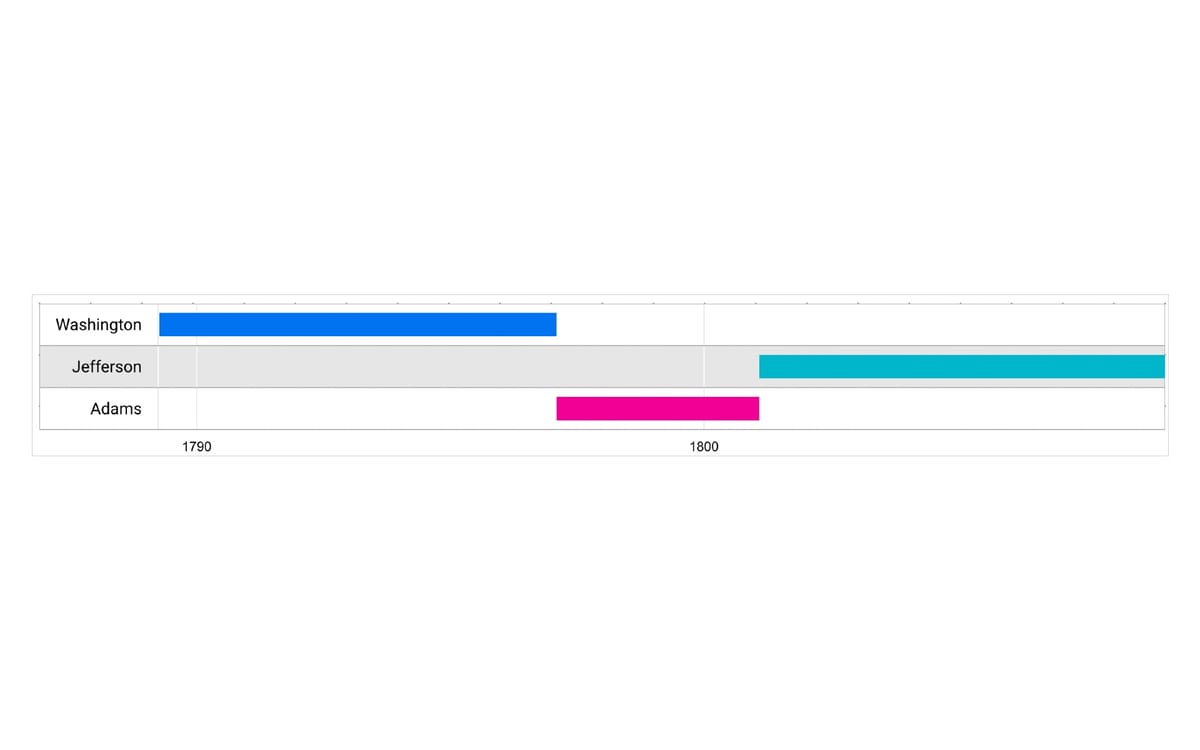
The November 13, 2025 release enabled parameters as default values in filter controls. Report creators can now use parameters to dynamically set filter defaults, adding flexibility to dashboard configurations that previously required static values. Timeline charts received a modernized design treatment, introducing new customization options for bar corner radius, axes, and grid elements. The shapes menu expanded to include additional shape types for report editors, though specific details about the new shapes were not disclosed in the documentation.
One week earlier, on November 6, 2025, Google introduced Cloud Audit Logs for Looker Studio Pro subscriptions. Organizations can now access Looker Studio Pro logs through the Logs Explorer within the Google Cloud console, enabling administrators to monitor platform usage and compliance requirements through centralized logging infrastructure. Looker Studio Pro users gained access to enhanced administrative controls throughout 2025, including Slack delivery scheduling introduced October 16.
Subscribe PPC Land newsletter ✉️ for similar stories like this one
The Looker connector received performance improvements, increasing query result support from previous limits to 75,000 rows. Export functionality expanded correspondingly, enabling users to extract up to 75,000 rows of data directly from Looker connections. This capacity increase addresses limitations that previously restricted large dataset analysis within Looker Studio reporting workflows.
Google Ads connector enhancements introduced four new metrics focused on platform comparable conversion measurement. Advertisers can now visualize conversions measured using platform comparable methodology, which factors in view-through conversions and isolates campaign performance from other Google advertising channels. The platform comparable metrics include total conversions, conversion value, conversion value divided by cost, and cost per conversion. These additions align with measurement methodologies introduced in Google Ads API v20 on June 4, 2025, enabling more accurate cross-platform performance comparisons.
Conditional formatting capabilities extended to bar charts using modern chart styling. Report creators can apply color rules based on metric values, enhancing data visualization for performance monitoring and threshold identification. The modern charts framework, which reached general availability in March 2025, continues receiving incremental feature additions across different chart types.
Partner connector integrations expanded across both November releases. Ten new connectors joined the Looker Studio Connector Gallery on November 6, including integrations from Picometrics, DataTrue, Supermetrics, Dataslayer, Catchr, Local Viking, Windsor.ai, and Hurma. These additions span advertising platforms, analytics services, and e-commerce systems. Google Ads with AI by Picometrics and DataTrue v2 provide enhanced advertising analysis capabilities. Lazada Ads and TikTok Shop connectors address e-commerce reporting requirements for Asian markets and social commerce platforms. Local Viking, Sprout Social, and OmniWallet expand local business management and wallet analytics integration options.
The October 30 continuation of partnership announcements introduced additional connectors focusing on advertising platforms and business analytics. Spotify Ads and Amazon Ads integrations from Dataslayer enable streaming audio advertising and marketplace advertising reporting. Zoho CRM connectivity through Dataslayer addresses customer relationship management data integration. Supermetrics contributed connectors for Lazada Commerce, Close CRM, Centra, and Vibe platforms. The OWOX Data Marts connector provides access to preprocessed analytics data, while Porter Metrics added Google Sheets connectivity.
BMS Monitoring and Power My Analytics expanded vertical-specific reporting capabilities. Zen AI introduced Meta Ads connectivity with artificial intelligence-powered features, continuing the platform's integration of AI-enhanced analytics tools. AI integration in Looker Studio accelerated throughout 2025, with Code Interpreter for advanced Python-based analysis reaching preview status in July.
CSV connector enhancements arrived for Looker Studio Pro subscribers, introducing unspecified user experience improvements. The documentation indicates these changes deployed gradually, meaning not all users gained immediate access upon release. CSV file connectivity represents a fundamental data integration method for organizations managing data outside cloud platforms or database systems.
Report sharing functionality expanded for Pro users on October 16 through Slack channel and user delivery. Preview status designation indicates Google plans further refinement based on user feedback before general availability. The Slack integration requires administrator enablement and supports delivery to channels where schedule creators maintain membership. Recipients receive PDF attachments alongside direct links to view reports within Looker Studio's web interface.
Responsive report layouts gained vertical stacking capabilities on October 16. Report creators can add multiple components to columns within sections, improving layout flexibility for mobile and tablet viewing experiences. The responsive layout system, introduced March 31, 2025, scales content across different screen sizes without requiring separate report versions for desktop and mobile users.
Google Ads data availability expanded beyond platform comparable conversions through an October 2 update. Conversion tracking fields introduced that month included conversions and conversion value attributed by conversion date rather than interaction date. All conversions and all conversion value by conversion date provided comprehensive tracking that includes actions not counted in standard conversion reporting. New versus returning customers segmentation enabled acquisition and retention analysis. Gross profit and gross profit margin fields supported profitability analysis beyond revenue tracking.
Chart boundary resetting through double-clicking arrived October 2 for time series, bar, line, area, and scatter charts. Users can restore default margin settings by double-clicking chart boundaries, eliminating manual adjustment through properties panels. This interaction pattern follows common design software conventions.
Table chart sorting expanded from previous limits to 10 sort fields on September 25. Report editors gained capability to configure multiple sort criteria for table visualizations, enabling complex data organization without requiring pre-sorted data sources. The sorting functionality supports both dimensions and metrics, including fields not displayed in the chart itself.
Partner connector additions continued September 25 with 17 new integrations spanning business applications, advertising platforms, and analytics services. Odoo Appointment, Subscription, and Invoice connectors from Jivrus Technologies addressed business management software integration. Snowflake connectivity through Supermetrics enabled data warehouse reporting. Google Analytics 4 annotations through ReallyGoodData provided historical event tracking. 800.com Call Analytics, TikTok Shop, and multiple seoClarity connectors expanded marketing measurement capabilities. Amazon DSP connectivity addressed programmatic advertising reporting requirements.
The September 25 release modified user interface terminology, changing "Add quick filter" to "Add filter" in the report editor's filter bar. The underlying quick filter functionality remained unchanged despite the label modification. Looker connector enhancements removed view name prefixes from field displays, instead nesting fields under their corresponding views for improved organization.
Breaking changes arrived September 11 with the deprecation of the Looker Studio Explorer beta feature. Existing explorations created with Explorer automatically converted to standard reports without requiring user intervention. The conversion timeline concluded September 11, completing the transition.
Data security restrictions expanded September 11 for data sources using Viewer's Credentials. Hyperlinks and images in dimensions from such data sources no longer render in Looker Studio, unless the report creator and viewer belong to the same team workspace. This limitation prevents potential data exposure through embedded content when viewer access depends on individual credential authentication.
Treemap chart improvements introduced September 11 included new color configuration options based on specified dimensions or metrics. Report editors gained control over border radius for tree branches and label styling through dedicated sections in the Style tab. The enhancements aligned treemap visualization capabilities with other chart types that received similar modernization throughout 2025.
Buy ads on PPC Land. PPC Land has standard and native ad formats via major DSPs and ad platforms like Google Ads. Via an auction CPM, you can reach industry professionals.
Looker Studio Pro users gained increased scheduling capacity, with maximum scheduled reports rising to 200 per report on September 11. The previous limit restricted Pro users to fewer scheduled deliveries per report, creating challenges for organizations distributing reports to multiple stakeholder groups on different cadences.
Three partner connectors from Adzviser joined the gallery September 11: HubSpot, Amazon Seller Central, and Amazon Ads integrations. These additions complemented existing e-commerce and marketing platform connectivity options.
The November updates continued Google's pattern of incremental platform enhancement across multiple dimensions. Looker Studio received consistent feature additions throughout 2025, with modern charts reaching general availability in January following extended preview periods. The platform's evolution reflects enterprise business intelligence requirements for sophisticated visualization, flexible data integration, and administrative controls.
Google Ads metric expansion through platform comparable conversions addresses cross-platform measurement challenges advertisers face when comparing Google performance against other digital advertising channels. Traditional Google Ads conversion counting includes interactions across multiple Google properties, making direct comparison with platforms like Meta or TikTok difficult. Platform comparable methodology isolates specific campaign performance, enabling more accurate return on ad spend calculations across advertising budgets distributed among multiple platforms.
The Looker connector capacity increase from previous row limits to 75,000 rows accommodates larger dataset analysis without requiring data sampling or aggregation before import. Organizations analyzing granular customer behavior or detailed transaction data benefit from expanded row limits, particularly when building executive dashboards that reference millions of underlying records but display aggregated metrics filtered to specific segments or time periods.
Parameter-enabled filter defaults provide dynamic control over initial report states. Report creators can construct dashboards that adjust default filter values based on viewer identity, viewing context, or other runtime conditions. This capability supports scenarios where different user groups require identical visualizations but filtered to their respective regions, departments, or product lines. Parameters function as variables that accept values at runtime rather than remaining fixed in report configurations.
CSV connector improvements for Pro users suggest continued differentiation between free Looker Studio and paid Pro subscriptions. Google has progressively moved advanced capabilities behind the Pro subscription model throughout 2025, including Slack delivery, extended scheduling limits, and now enhanced CSV user experience. The gradual rollout methodology indicates testing among subsets of Pro users before full deployment.
Timeline chart modernization reflects broader design system updates Google implemented across visualization types. The modern charts framework introduced March 31, 2025, established new styling conventions, default colors, and configuration options. Google has methodically applied these conventions to different chart types through subsequent releases rather than converting all visualizations simultaneously. Timeline charts, which display sequential events and date ranges, received the modernization treatment in the November 13 update.
Partner connector ecosystem expansion accelerated in 2025. Google opened connector development to third-party providers, enabling organizations with specialized data sources to build Looker Studio integrations without waiting for Google to prioritize their platforms. The 27 connectors added across the three late October and early November releases demonstrate active third-party development. Connector variety spans e-commerce platforms, advertising networks, business management software, and analytics services, reflecting the diverse data integration requirements of organizations using Looker Studio for business intelligence.
Conditional formatting extension to modern bar charts completes visualization parity for the feature. Conditional formatting enables automatic color application based on metric thresholds, eliminating manual formatting maintenance as data values change. Sales dashboards might display bars in green when revenue exceeds targets, yellow when within 10% of targets, and red when falling short. The automation reduces report maintenance effort while ensuring visual consistency across reporting periods.
Looker Studio's development trajectory prioritizes three areas: expanded data connectivity through partner integrations, enhanced Pro subscription capabilities, and incremental improvements to existing visualization types. The November releases exemplify this strategy through new connectors, Pro-specific CSV enhancements, and chart modernization. Google's business intelligence platform competes against alternatives including Microsoft Power BI, Tableau, and specialized marketing analytics platforms. Feature development focuses on capabilities that differentiate Looker Studio within the marketing analytics segment rather than attempting comprehensive business intelligence feature parity.
Subscribe PPC Land newsletter ✉️ for similar stories like this one
Subscribe PPC Land newsletter ✉️ for similar stories like this one
Who: Google Cloud's Looker Studio development team released updates affecting report creators, Looker Studio Pro subscribers, and organizations using Google Ads connector for advertising analytics
What: Two November 2025 releases introduced parameter-enabled filter defaults, modernized timeline charts, Cloud Audit Logs for Pro users, Looker connector expansion to 75,000 rows, four new Google Ads platform comparable conversion metrics, modern bar chart conditional formatting, 22 partner connectors, and CSV connector improvements
When: November 6 and November 13, 2025 releases delivered features, with several capabilities deploying gradually across the user base
Where: Updates deployed across Looker Studio's web-based reporting platform, affecting all regions where Looker Studio operates, with Cloud Audit Logs accessible through Google Cloud console
Why: Google expanded Looker Studio capabilities to support larger dataset analysis, improve cross-platform advertising measurement, enhance Pro subscription value, modernize visualization design, and broaden data source integration through partner ecosystem growth