YouTube gives creators an AI image editor to jazz up posts
YouTube integrates Nano Banana, Google's Gemini 2.5 Flash image editing model, into Posts feature for creators in four countries starting December 2025.


YouTube integrates Nano Banana, Google's Gemini 2.5 Flash image editing model, into Posts feature for creators in four countries starting December 2025.
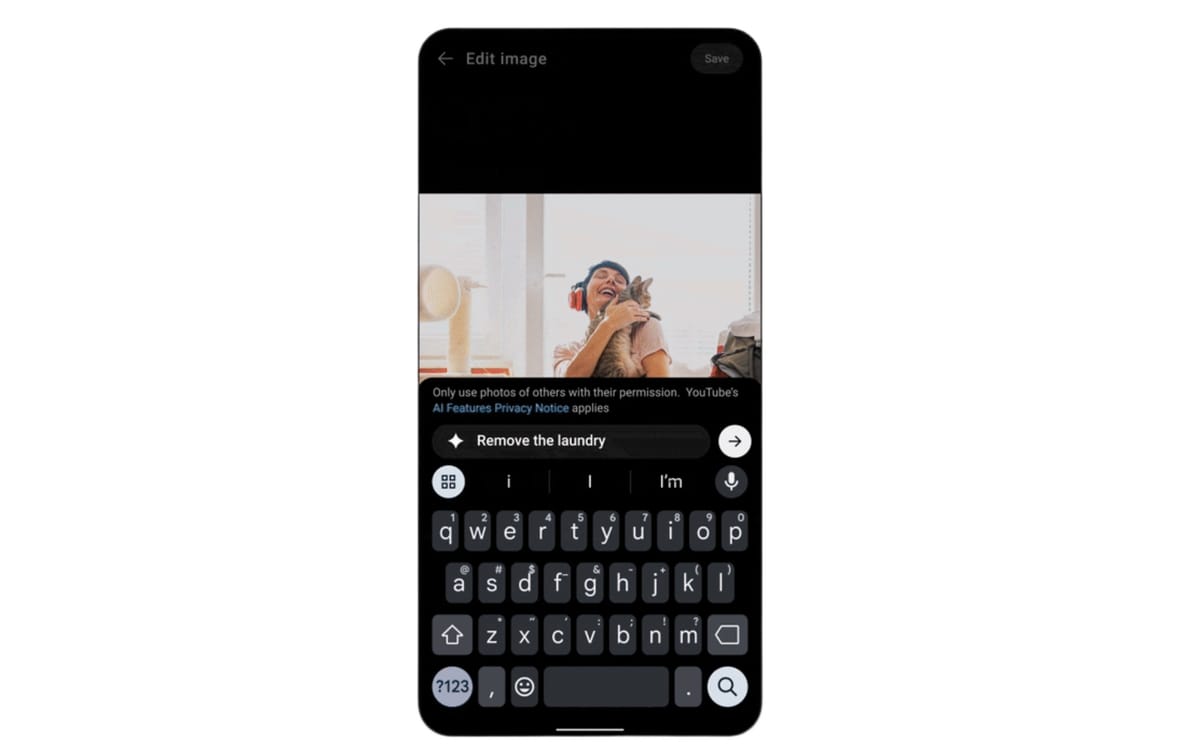
YouTube announced on December 17, 2025, the integration of Nano Banana image editing capabilities into its Posts feature, according to Amanda from TeamYouTube. The Google-owned platform is providing creators with artificial intelligence-powered tools to modify images directly within the post creation workflow.
Nano Banana, which operates on Google's Gemini 2.5 Flash Image technology, enables creators to add, remove, or modify specific elements in photographs through text prompts. The feature launched initially for users aged 18 and older in Canada, the United States, India, and New Zealand. Commands must currently be written in English, though YouTube indicated plans to expand to additional markets and languages.
Subscribe PPC Land newsletter ✉️ for similar stories like this one
The implementation follows Nano Banana's previous integration into Google Search, NotebookLM, and the Gemini app starting in August 2025. According to Google Product Manager Naina Raisinghani, the image editing model generated more than 5 billion images across these platforms by October 13, 2025.
YouTube's Posts feature allows creators to share updates through polls, quizzes, GIFs, text, images, and video content. Posts appear on channel pages either in the Posts shelf on the Home tab or in the dedicated Posts tab. Subscribed viewers may receive notifications when creators publish new posts, and content can surface in homepage feeds, subscription feeds, or Shorts feeds.
The platform renamed its Community tab to Posts in June 2025 to clarify functionality, though the change did not alter how the feature operates. Creators continue sharing updates and announcements while viewers engage through comments as before.
Nano Banana integration provides three primary use cases for YouTube creators. First, creators can experiment with imaginative edits including location changes, wardrobe modifications, hairstyle adjustments, or time period transformations. Second, the tool enables specific edits such as object removal or background color changes. Third, creators can refine aesthetic qualities including photo restoration or brand alignment adjustments.
"Give wings to your imagination: go to different places, try on new clothes, change your hairstyle or travel to other decades. This way, you can unleash your creativity and be the protagonist of your own story," the announcement explained in translated text from the Portuguese-language version.
All posts containing Nano Banana-edited images will display automatic disclosure indicating AI-generated content. This labeling requirement aligns with YouTube's mandatory disclosure policy implemented in May 2025, which requires creators to mark content that appears realistic but was altered or synthetically generated.
The AI editing process occurs through a straightforward workflow within the YouTube mobile app. Creators open the app, tap Create, then select Post. After adding an image, they select the Edit button and describe desired changes through text prompts. Nano Banana generates a draft, which creators can save or request modifications until satisfied with results.
YouTube provided example prompts to guide creators: "Change the background to [location]," "Remove the [object] from my photo," and "Renovate my [room] in [decoration style] style." The system processes these natural language instructions to modify images according to creator specifications.
The feature's geographic limitations mirror previous YouTube AI tool rollouts. Edit with AI, which converts raw footage into edited Shorts, launched in 15 markets including Argentina, Australia, Brazil, Canada, Hong Kong, India, Indonesia, New Zealand, Singapore, South Korea, Taiwan, Thailand, Turkey, and the United States in November 2025. Similar phased deployment strategies allow YouTube to gather feedback before broader expansion.
YouTube's AI integration strategy has generated mixed creator reception. The platform faced criticism in August 2025 when it acknowledged using machine learning to modify videos without creator consent. Music creator Rick Beato, with over five million subscribers, noticed unusual visual artifacts in his videos resulting from YouTube's automatic AI enhancement experiments. "If I wanted this terrible over-sharpening I would have done it myself. But the bigger thing is it looks AI-generated," fellow creator Rhett Shull explained.
Buy ads on PPC Land. PPC Land has standard and native ad formats via major DSPs and ad platforms like Google Ads. Via an auction CPM, you can reach industry professionals.
The Nano Banana implementation differs from that controversy by placing editing control directly in creator hands rather than applying modifications automatically. Creators decide when to use AI editing tools and maintain approval authority over final outputs before publishing.
Technical infrastructure supporting Nano Banana relies on Gemini 2.5 Flash processing capabilities. The model handles image generation, style transfer, and contextual illustration creation across all Google products implementing the technology. This unified backend enables consistent output quality while accommodating product-specific interface requirements and user workflows.
Google launched Gemini 2.5 Flash image capabilities in the Gemini app on August 26, 2025, featuring character consistency preservation, conversational editing capabilities, and enhanced logic reasoning for complex visual creation tasks. The technology addressed longstanding limitations in AI image generation, particularly maintaining character likeness across different poses and lighting conditions.
YouTube's Posts feature has undergone significant development throughout 2024 and 2025. The platform expanded its Communities feature to all eligible creators in June 2025, enabling two-way conversations between creators and audiences in dedicated channel spaces. Communities allows subscriber-initiated discussions while creators maintain control over posting permissions.
Desktop support for Posts arrived in October 2025, addressing workflow limitations that previously restricted creator engagement management to mobile devices. Professional content creators and marketing teams often prefer desktop environments for comprehensive community management, particularly when moderating posts, adjusting settings, or responding to multiple viewers simultaneously.
The timing coincides with broader AI Mode expansion across Google properties. AI Mode integration in Chrome desktop launched through Labs in September 2025, while homepage search bar testing began in June 2025. These deployments reflect systematic distribution of AI capabilities across the company's product ecosystem.
Market dynamics in AI-powered creative tools continue shifting as major platforms integrate generative capabilities. Adobe maintains professional editing software dominance, while platform-native tools like Nano Banana target casual users and rapid ideation workflows. The competitive landscape balances specialized professional tools against integrated consumer offerings.
Privacy considerations remain important for tools processing user-generated images. Google did not specify data retention policies or model training protocols in the YouTube announcement. Previous AI feature launches have included privacy documentation, though such details were absent from the December 17 statements about Nano Banana expansion to Posts.
YouTube's deployment strategy emphasizes creator education and gradual rollout. The platform announced plans to monitor feedback and usage patterns from initial markets before expanding availability. This approach aligns with YouTube's established practice of testing features with limited audiences before platform-wide implementation.
The Posts integration represents another step in YouTube's comprehensive AI strategy. CEO Neal Mohan told Time Magazine in December 2025 that AI capabilities improve "literally every week" and help the platform "detect and enforce on violative content better, more precise, able to cope with scale." That statement came after Time named him CEO of the Year, recognizing his leadership of the video platform that generates over $10 billion in quarterly advertising revenue.
The platform launched more than 30 AI-powered programs in September 2025 designed to make video creation easier, including tools converting phrases into songs, translating and dubbing videos, finding optimal footage segments for automatic editing, and converting long videos into Shorts. YouTube positioned all capabilities as "helping more people become creators."
Image generation volume across Google's Nano Banana implementations reached 5 billion within approximately two months of the initial Gemini app launch in August 2025. This adoption rate suggests substantial user engagement with AI-powered creative tools, though Google did not disclose active user counts or demographic breakdowns in the October announcement.
YouTube's approach to AI tool integration distinguishes between creator-controlled features and platform-level automation. Nano Banana in Posts provides optional enhancement capabilities that creators voluntarily activate, contrasting with automatic video processing modifications that sparked controversy earlier in 2025.
The mandatory AI disclosure labeling addresses transparency concerns while enabling creative experimentation. Viewers seeing Posts with edited images will immediately know through automated declarations that content was created using artificial intelligence, preventing potential misrepresentation while allowing creators to explore visual possibilities.
Subscribe PPC Land newsletter ✉️ for similar stories like this one
Content creators working with brands must consider how AI-edited imagery affects sponsored content and brand safety protocols. All Nano Banana-modified images carry AI disclosure labels, which may influence advertiser preferences for authentic versus AI-generated visual content in partnership campaigns.
Marketing professionals using YouTube for brand awareness campaigns gain access to enhanced creative capabilities through creator partnerships. The editing tools enable rapid iteration on visual concepts without requiring professional photo editing software or specialized design skills.
YouTube's Posts feature serves multiple functions within creator strategies. Creators use Posts for audience engagement between video uploads, poll-based feedback collection, community building, product announcements, and behind-the-scenes content sharing. Nano Banana integration expands visual possibilities for each use case.
The English-language requirement for prompts creates temporary limitations for non-English speaking creators in launch markets. Canada, India, and New Zealand all contain significant populations speaking languages other than English, restricting initial access to English-proficient creators despite geographic availability.
YouTube did not provide specific technical specifications for image processing capabilities, including maximum resolution support, processing time expectations, or limitations on edit complexity. Previous Gemini implementations supported various artistic styles from photorealistic landscapes to textured oil paintings and claymation aesthetics.
The 18-year age minimum aligns with YouTube's broader approach to AI-powered content creation tools. Similar restrictions apply to other generative features, reflecting platform policies regarding appropriate technology access for different user demographics.
Integration with existing Google ecosystem features enables workflow continuity. Creators familiar with Nano Banana from Gemini app usage will recognize similar functionality and prompt structures when accessing the feature through YouTube Posts, reducing learning curves for multi-platform users.
Amanda from TeamYouTube's announcement indicated the integration represents part of YouTube's ongoing efforts to provide creators with "different and creative" ways to interact with audiences. The statement positioned Nano Banana as an additional resource rather than a replacement for existing creative workflows.
Channel eligibility requirements for Posts access remain unchanged by the Nano Banana integration. Creators must not use supervised accounts, maintain channels not set as "Made for Kids," and meet minimum age requirements. Channels with "Made for Kids" audience settings cannot create new posts, though they can view past posts.
Posts appear across multiple surfaces within YouTube's interface, creating distribution opportunities beyond channel pages. The algorithm may surface Posts in viewer homepages, subscription feeds, or Shorts feeds based on engagement patterns and content relevance, extending reach beyond direct subscribers.
Comment settings on Posts reflect video-level preferences when creators share video content within Posts. This inheritance of comment policies ensures consistent moderation standards across content types while allowing granular control over community interactions.
The announcement concluded with Amanda indicating that creators should "keep an eye out for news" through official YouTube channels for updates regarding expanded availability. This communication approach maintains creator awareness of feature development while managing expectations about rollout timelines.
YouTube's broader AI initiative encompasses content creation, moderation, discovery, and engagement tools. Nano Banana in Posts represents one component of a comprehensive strategy integrating artificial intelligence across platform operations while maintaining creator control over content quality and authenticity.
Subscribe PPC Land newsletter ✉️ for similar stories like this one
Subscribe PPC Land newsletter ✉️ for similar stories like this one
Who: YouTube announced the update through Amanda from TeamYouTube, affecting creators aged 18 and older in Canada, the United States, India, and New Zealand who use the Posts feature to engage with audiences.
What: YouTube integrated Nano Banana (Gemini 2.5 Flash Image), Google's AI image editing model, into the Posts creation workflow, enabling creators to add, remove, or modify image elements through text prompts with automatic AI content disclosure labels.
When: The announcement occurred on December 17, 2025, with the feature rolling out to eligible creators in the four launch markets, following Nano Banana's initial August 2025 debut in the Gemini app.
Where: The feature operates within the YouTube mobile app's Post creation interface, available exclusively in Canada, the United States, India, and New Zealand during the initial rollout phase, with expansion to additional markets and languages planned.
Why: YouTube aims to provide creators with creative tools for audience engagement through Posts while maintaining transparency through mandatory AI disclosure labels, addressing the platform's strategy of placing AI capabilities under creator control rather than applying automatic modifications.