Adsquare launches Q1 seasonal audiences targeting $18.6 billion spending window
Location intelligence platform releases four high-intent audience segments for Chinese New Year, Valentine's Day, Super Bowl, and Winter Olympics campaigns.


Location intelligence platform releases four high-intent audience segments for Chinese New Year, Valentine's Day, Super Bowl, and Winter Olympics campaigns.
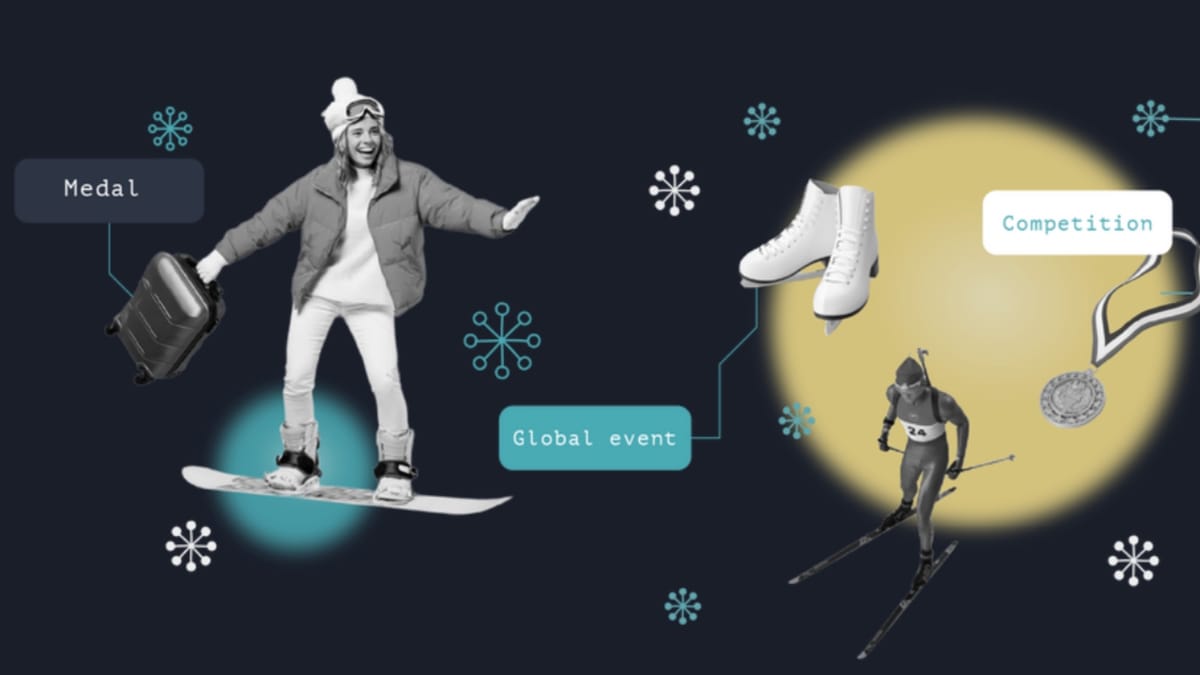
Adsquare announced on January 5, 2026, the availability of four seasonal audience segments targeting major Q1 spending events, providing programmatic advertisers with access to location-based consumer data during high-value commercial windows. The Berlin-based location intelligence company released datasets covering Chinese New Year, Valentine's Day, Super Bowl LIX, and the Milan Cortina Winter Olympics 2026.
The timing precedes critical revenue periods across multiple industries. Super Bowl spending alone reached $18.6 billion in 2025, according to data cited in Adsquare's announcement. Valentine's Day generated $27.5 billion in U.S. spending in 2025, while Chinese New Year tourism revenue approached 633 billion yuan in 2024. The Winter Olympics advertising showed performance lifts reaching 21.6x consumer engagement compared to standard programming, according to Olympic audience measurement data.
Chinese New Year datasets activate across Australia, Hong Kong, and Singapore. Valentine's Day audiences reach France, Germany, Italy, Spain, United Kingdom, and the United States. Super Bowl targeting operates in Germany and the United States, while Winter Olympics segments span Canada, France, Germany, Italy, United Kingdom, and the United States.
The geographic strategy reflects regulatory frameworks and data collection partnerships in each market. All datasets function through what Adsquare describes as "100% privacy-first" infrastructure with explicit consent foundations. The technical architecture requires opt-in location data from mobile devices before audience classification occurs.
Adsquare's partnership expansion into Latin America, Middle East, and additional U.S. markets occurred in September 2025, though these seasonal datasets do not yet extend to those territories. The company's technical integration with StackAdapt's footfall attribution system enables measurement of in-store visits following digital ad exposure across EMEA, APAC, NORAM, and LATAM regions.
Chinese New Year audiences divide into eight categories: Gift Buyers, Family Activity Planners, Red Envelope (Hongbao) Senders, Luxury Seekers, Traditional Food & Beverage Shoppers, Restaurant Diners, New Year Clothing & Fashion Shoppers, and Decoration Shoppers. The segments target what Adsquare characterizes as the "pre-reunion phase" when consumers secure travel bookings and restaurant reservations before the holiday's peak migration period.
Valentine's Day segments include Romantic Gift Buyers, Date Night Planners, Chocolate & Confectionery Lovers, Floral Enthusiasts, At-Home Date Night Enthusiasts, Romantic Getaway Planners, DIY Gift Makers, and Jewelry Shoppers. The technical approach isolates "high-margin spending on luxury goods and premium experiences across a condensed period," according to the company's documentation.
Super Bowl audiences comprise Super Bowl Fans, Delivery Food Lovers, Watch Party Hosts, Family Activity Planners, Game Day Snack Enthusiasts, Social Media Engagers, Sports Merchandise Shoppers, and In-Store Discount Seekers. The segmentation captures behavior spanning merchandise purchases through last-minute food delivery orders surrounding the February 9 game at Caesars Superdome in New Orleans.
Winter Olympics datasets include Skiing & Winter Sport Fans, Live Sporting Events Goers, Sports Followers & Media Consumers, Culturally Engaged Viewers of Olympic Games, TV Viewers of Olympic Games, Italy Accommodation & Flight Interest, Luxury Spend Enthusiasts, and High-Income Viewers of Olympic Games. The Games occur from February 6-22, 2026, in Milan and Cortina d'Ampezzo, Italy.
Buy ads on PPC Land. PPC Land has standard and native ad formats via major DSPs and ad platforms like Google Ads. Via an auction CPM, you can reach industry professionals.
The technical foundation relies on three data collection methodologies: Place Visits, Interests, and Purchase Intent. Place Visits track physical location patterns through GPS coordinates and Wi-Fi triangulation from mobile devices with explicit consent. Interests derive from application usage patterns and content engagement across mobile platforms. Purchase Intent identifies shopping behavior signals through retail location visits and category-specific browsing patterns.
Privacy compliance operates through consent management platforms integrated at the device level. Users must explicitly authorize location data collection before inclusion in any audience segment. The architecture differs from probabilistic targeting methods that infer behavior without direct consent. Adsquare's documentation emphasizes this distinction as critical for regulatory compliance under GDPR in European markets and similar frameworks elsewhere.
Technical activation occurs through two distribution channels. Advertisers access audiences directly through demand-side platforms including Adform, Azerion, Google Display & Video 360, LiveRamp, Nexxen, PubMatic, StackAdapt, The Trade Desk, and Yahoo DSP. Alternative access operates through Adsquare's proprietary OnePlatform interface, which provides direct API integration for campaign management and audience customization.
Campaign measurement capabilities extend beyond impression delivery. The infrastructure supports footfall attribution, measuring physical store visits following digital ad exposure. Cross-channel measurement spans mobile, desktop, connected TV, and digital out-of-home advertising. Impact analysis tracks both exposure metrics and conversion outcomes across the attribution window.

Chinese New Year spending concentrates around January 29, 2026, when the holiday begins. The "pre-reunion" targeting window captures early travel bookers and gift shoppers beginning approximately two weeks before the date. Tourism spending patterns from 2024 showed 633 billion yuan in revenue during the holiday period, making early position critical for travel, accommodation, and gift category advertisers.
Valentine's Day campaigns operate on compressed timelines. February 14 shopping behavior shows significant last-minute purchase patterns, particularly for flowers, chocolates, and restaurant reservations. The $27.5 billion U.S. market in 2025 reflected spending across jewelry, fine dining, getaways, and luxury gifts. Adsquare's documentation emphasizes "dominating the last-minute gifting window" as essential for capturing impulse spending.
Super Bowl LIX advertising extends beyond the February 9 game day. Pre-game merchandise sales, hospitality bookings, and watch party preparation drive spending throughout the preceding week. Food delivery and quick-service restaurant traffic peaks in the 48 hours before kickoff. The $18.6 billion spending figure from 2025 encompassed merchandise, food, beverages, and entertainment surrounding the event.
Winter Olympics campaigns span the full February 6-22 competition window. NBCUniversal's programmatic TV advertising platform provides access to Olympic inventory through major demand-side platforms, creating cross-channel opportunities when combined with Adsquare's audience targeting. Media attention peaks during marquee events, particularly Alpine skiing, figure skating, and ice hockey competitions.
The seasonal audience launch coincides with broader industry focus on Q1 advertising opportunities. Meta's Q5 marketing strategy emphasized late December through mid-January as periods of reduced auction competition and lower cost-per-thousand impressions. However, major seasonal events reverse this dynamic, driving CPM increases as brands compete for attention during concentrated spending windows.
Microsoft's holiday marketing research across Middle East, Turkey, and Africa markets found that 90% of holiday conversions occur outside peak promotional periods like Black Friday and Cyber Monday. The finding suggests seasonal events with cultural significance may generate more sustained engagement than purely promotional shopping windows.
Demand-side platform expansion creates additional distribution channels for seasonal audiences. Amazon DSP's fold position targeting and native placement controls, launched December 2024, enable more precise campaign execution when combined with behavioral audience data. The technical integration between DSPs and data providers like Adsquare determines campaign efficiency during high-competition windows.
Privacy-first positioning differentiates Adsquare's approach from cookie-based targeting methods facing deprecation across major browsers. The company's explicit consent architecture operates independently of third-party cookies, avoiding disruption as platforms eliminate these identifiers. This technical foundation becomes increasingly relevant as regulatory frameworks expand privacy requirements globally.
Advertisers requiring immediate access activate pre-configured datasets through DSP interfaces. The process involves selecting Adsquare as the data provider within the platform's audience targeting section, then choosing specific seasonal segments from available options. Campaigns launch within standard DSP workflows without additional technical integration.
Custom audience development operates through separate engagement with Adsquare's data science team. Advertisers specifying requirements beyond standard segments receive tailored audience definitions combining multiple data signals. The customization process typically requires two to three weeks for audience creation, quality verification, and platform integration before campaign launch.
API integration through OnePlatform provides programmatic access to audience data for advertisers managing campaigns outside traditional DSP interfaces. The platform supports create, read, update, and delete operations for audience segments. Technical documentation includes endpoint specifications, authentication protocols, and response schemas for integration into proprietary advertising technology stacks.
Measurement implementation requires defining conversion events before campaign launch. Footfall attribution depends on polygon or radius definitions around physical locations where conversions occur. The system tracks device IDs exposed to advertisements, then identifies when those devices subsequently visit defined geographic boundaries. Attribution windows typically span 7, 14, or 30 days, though custom timeframes accommodate specific business requirements.
Adsquare operates through cost-per-thousand impressions pricing models integrated into DSP billing. Audience data fees apply as incremental costs above standard media rates. Pricing varies based on audience segment specificity, geographic market, and volume commitments. The company does not publish standard rate cards, negotiating terms with individual advertisers or agencies.
Platform availability spans 12 demand-side platforms globally. Activation timelines depend on existing technical integrations between advertisers and DSPs. Advertisers without current relationships face setup periods ranging from several days to multiple weeks depending on platform requirements and compliance procedures.
Geographic restrictions limit availability to specified markets for each seasonal audience. Advertisers attempting to activate Chinese New Year segments outside Australia, Hong Kong, and Singapore encounter technical blocks within DSP interfaces. Similar restrictions apply to other seasonal datasets based on data collection partnerships and regulatory compliance in each territory.
Audience scale varies significantly across segments and markets. High-intent categories like "Luxury Seekers" for Chinese New Year or "Jewelry Shoppers" for Valentine's Day contain fewer individuals than broader classifications like "Super Bowl Fans" or "TV Viewers of Olympic Games." Minimum scale thresholds prevent activation when audience sizes fall below viable campaign reach.
The seasonal audience release extends Adsquare's core location intelligence platform into time-sensitive campaign execution. The technical approach—combining place visit data, interest signals, and purchase intent indicators with explicit consent frameworks—positions the offering within ongoing shifts toward privacy-compliant programmatic advertising infrastructure. Success depends on advertiser adoption rates, measurement validation, and competitive positioning against alternative audience data providers operating through similar DSP distribution channels.
Subscribe PPC Land newsletter ✉️ for similar stories like this one
Subscribe PPC Land newsletter ✉️ for similar stories like this one
Who: Adsquare, a Berlin-based location intelligence company, released seasonal audience datasets targeting advertisers executing campaigns across major Q1 cultural spending events. The company operates across 26 countries with partnerships spanning 12 demand-side platforms including Google Display & Video 360, The Trade Desk, StackAdapt, and Amazon DSP.
What: Four seasonal audience datasets covering Chinese New Year (8 segments across Australia, Hong Kong, Singapore), Valentine's Day (8 segments across 6 countries), Super Bowl LIX (8 segments in Germany and United States), and Milan Cortina Winter Olympics 2026 (8 segments across 6 countries). Each dataset combines place visit data, interest signals, and purchase intent indicators through 100% privacy-first, explicit consent infrastructure.
When: Announced January 5, 2026, with availability for immediate activation through participating demand-side platforms and Adsquare's OnePlatform interface. Target events span January 29 (Chinese New Year) through February 22, 2026 (Olympics closing ceremony), with Super Bowl LIX on February 9 and Valentine's Day on February 14.
Where: Geographic availability varies by event: Chinese New Year audiences operate in Asia-Pacific markets (Australia, Hong Kong, Singapore); Valentine's Day spans Europe and North America (France, Germany, Italy, Spain, United Kingdom, United States); Super Bowl targets Germany and United States; Winter Olympics covers six countries (Canada, France, Germany, Italy, United Kingdom, United States).
Why: Seasonal events generate concentrated consumer spending across compressed timeframes—Super Bowl reached $18.6 billion in 2025, Valentine's Day generated $27.5 billion U.S. spending in 2025, Chinese New Year tourism approached 633 billion yuan in 2024, and Olympic advertising drives 21.6x consumer engagement lifts versus standard programming. Location-based audience targeting enables advertisers to reach high-intent consumers during these windows through programmatic infrastructure, addressing the marketing community's need for privacy-compliant, measurable campaign execution during peak revenue periods when auction competition and CPMs increase significantly.