Major publishers back Trade Desk's OpenAds auction platform
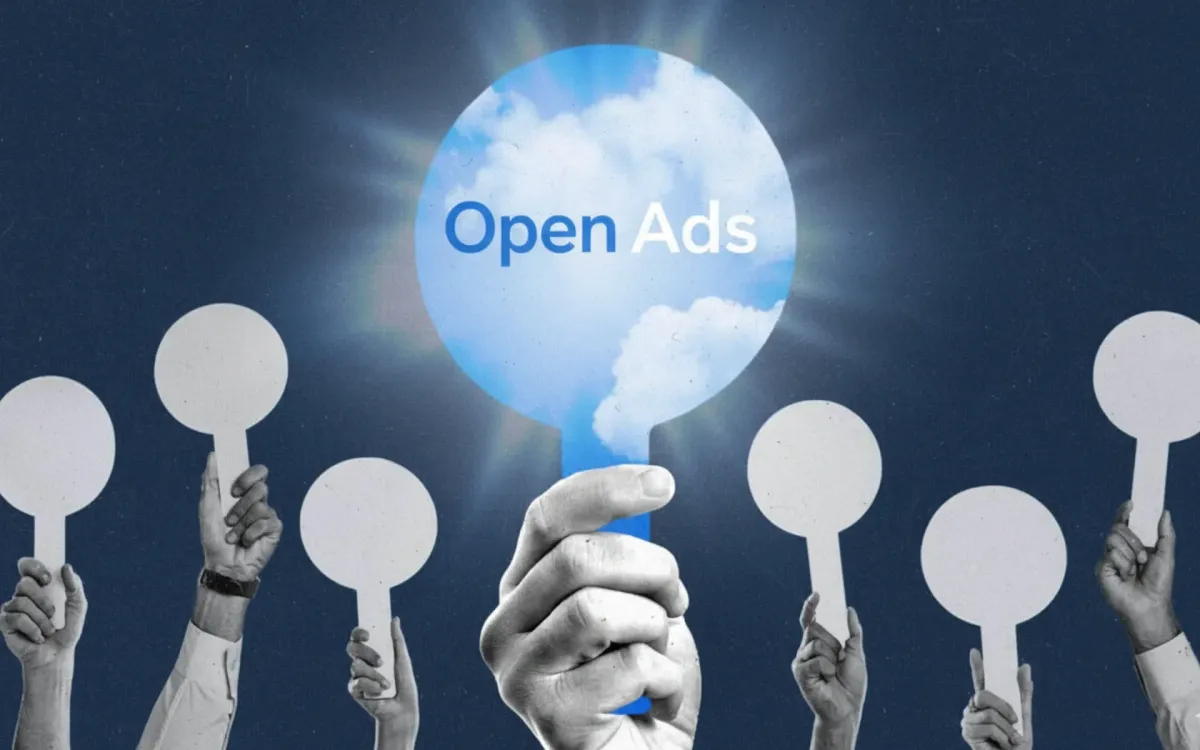
The Trade Desk secured commitments from nine prominent publishers including AccuWeather, BuzzFeed, the Guardian, and Hearst for its OpenAds auction platform, announced January 6, 2026, as the company expands infrastructure designed to deliver transparent programmatic transactions.
AccuWeather, The Arena Group, BuzzFeed, the Guardian, Hearst Magazines, Hearst TV, Newsweek, People Inc., and Ziff Davis constitute the first wave of publishers supporting OpenAds. The platform provides what The Trade Desk characterizes as a direct, high-integrity alternative to existing programmatic auction environments where transparency concerns have persisted throughout 2025.
"OpenAds represents a major advance in how our industry thinks about a clean and transparent supply chain, starting with the auction," said Will Doherty, SVP of Inventory Development at The Trade Desk. Publishers supporting the initiative cited specific concerns around fee visibility and reseller activity that have complicated programmatic monetization strategies.
OpenAds emerged from supply chain transparency battles that intensified during 2025. The Trade Desk initially announced the platform October 2, 2025, responding to changes in programmatic infrastructure that eliminated buyers' ability to identify duplicate bid requests across multiple auction paths. CEO Jeff Green characterized those changes as enabling what he termed "duplicate, obfuscate, and sometimes lie" strategies deployed by intermediaries operating between advertisers and publishers.
Free weekly newsletter
Your go-to source for digital marketing news.
No spam. Unsubscribe anytime.
The company forked Prebid's auction codebase to maintain original transaction identifier functionality while creating what Green described as an upgraded auction reflecting mechanics prior to industry-standard modifications implemented in late August 2025. The Trade Desk plans to open source OpenAds code, allowing independent verification of auction mechanics by publishers and advertisers examining programmatic infrastructure.
Publishers adopting the platform gain access to auction environments where the highest bid wins in transparent, independently verifiable transactions. This addresses longstanding complaints from publishers who struggled to understand where value disappeared between what advertisers paid and what publishers received from programmatic inventory sales.
"One of the biggest challenges in programmatic is understanding where value is lost between buyers and publishers," said Megan Hong, Senior Director of Partner and Yield Management at The Arena Group. "OpenAds brings much-needed transparency to the auction, especially around fees and reseller activity, which helps us better understand how our inventory is actually being bought."
The Guardian emphasized auction integrity as central to its support for the initiative. "It means the highest bid wins in a transparent, auditable auction environment that publishers can independently verify," said Dave Strauss, VP of Revenue Operations and Strategy at the Guardian. The publisher positioned OpenAds participation within strategies prioritizing exceptional return on investment for advertisers accessing premium audiences.
Hearst's involvement spans both its magazine and television properties. Scott Both, VP of Programmatic Monetization & Operations at Hearst Magazines, described the platform as advancing buyer transparency while reinforcing premium publisher inventory value. The initiative builds on OpenPath, The Trade Desk's direct publisher integration system that expanded substantially throughout 2025.
Publishers implementing OpenPath reported significant performance improvements. Hearst Newspapers achieved a 4x improvement in fill rates and 23% revenue increases, while The New York Post documented a 97% boost in programmatic display revenue. These results demonstrate the potential value publishers derive from more direct connections to demand sources that reduce intermediary layers extracting fees from transactions.
"We believe that transparency is key to the future of programmatic monetization," said Nate Ryckman, Senior Director of Programmatic Strategy at Hearst Newspapers & TV. The company's television division positioned OpenAds participation as fairly representing the scale and impact of high-quality journalism within programmatic marketplaces.
People Inc. emphasized the connection between transparency and advertising outcomes. "We have proven over time that better ads, on the best brands, drive better outcomes for advertisers," said Patrick McCarthy, SVP of Programmatic Monetization at People Inc. The publisher characterized transparent advertising supply chains as benefiting all ecosystem participants rather than creating zero-sum dynamics where transparency improvements for one party diminish value for others.
Ziff Davis, which operates technology-focused publishing properties, positioned its participation as consistent with historical innovation leadership. "Ziff Davis has always been at the forefront of innovation in digital publishing," said Mark Obermoller, VP Programmatic Strategy and Yield at Ziff Davis. The publisher characterized OpenAds as representing progress toward greater efficiency and accountability in programmatic transactions.
The timing of publisher commitments reflects broader supply chain optimization efforts The Trade Desk pursued throughout 2025. The company introduced Deal Desk in June 2025, providing AI-powered tools for managing strategic advertising partnerships between buyers and sellers. That platform addressed persistent inefficiencies where programmatic deals underperformed due to limited visibility into impression quality and delivery pacing.
OpenSincera launched May 13, 2025, providing free industry-wide access to advertising quality metrics including ads-to-content ratio, page weight, and ad refresh rates. The Trade Desk positioned that initiative as democratizing access to data that helps establish standards for healthy advertising experiences benefiting publishers, advertisers, and consumers.
These transparency initiatives emerged as The Trade Desk competed against integrated platforms offering lower fee structures. Amazon DSP charges approximately 1-2% of media spend compared to The Trade Desk's 12-15% rates. This fee differential has influenced budget allocation decisions, particularly for large advertisers managing substantial programmatic spending.
Advertise on ppc land
Buy ads on PPC Land. PPC Land has standard and native ad formats via major DSPs and ad platforms like Google Ads. Via an auction CPM, you can reach industry professionals.
Jeff Green addressed competitive pressures during third quarter earnings calls, arguing Amazon advertising revenue derives predominantly from sponsored listings and Prime Video monetization rather than open internet buying through Amazon DSP. He emphasized The Trade Desk's independent positioning as differentiation from platforms operating within larger technology ecosystems where advertising competes against other business priorities.
The company's emphasis on transparency addresses structural concerns that have complicated programmatic adoption among premium publishers. Header bidding adoption created an explosion in duplicate bid requests, with PubMatic processing 56 trillion impressions in Q3 2022 according to data cited in industry analysis. This volume averages approximately 7,000 ads for every person globally, indicating massive duplication across the programmatic ecosystem.
Publishers have deployed various strategies to manage this inefficiency. Bid throttling emerged as a common approach to control duplicate requests that threatened page performance while inflating reported impression volumes. However, throttling creates coordination problems where individual publishers making unilateral decisions face penalties compared to competitors maintaining full exposure.
OpenAds addresses these challenges through auction mechanics designed to eliminate duplicate impressions and provide clear visibility into transaction flows. The platform's transaction identifier functionality allows buyers to detect when identical inventory appears multiple times through different supply paths, preventing advertisers from inadvertently competing against themselves for the same impression.
The Trade Desk will continue OpenAds development and rollout throughout 2026. The company has structured implementation in two versions: a server-to-server enterprise solution for large publishers and a simplified tag-based implementation for smaller publishers requiring only straightforward technical integration. This approach aims to maximize accessibility while accommodating varying publisher technical capabilities and infrastructure sophistication.
Publisher adoption represents validation of The Trade Desk's supply chain transparency positioning amid regulatory scrutiny affecting major advertising platforms. Google faces ongoing antitrust challenges that have influenced industry dynamics, creating opportunities for independent providers emphasizing objectivity and transparency as competitive advantages.
The programmatic advertising market continues expanding despite transparency concerns. Comscore's State of Programmatic Report indicated 72% of marketers planned to increase programmatic investment in 2025. However, effectiveness concerns persist, with advertisers demanding greater visibility into where budgets flow and what audiences they reach through automated buying systems.
Connected TV advertising represents particular growth opportunity and competitive pressure point. Video advertising including CTV accounted for approximately 50% of The Trade Desk's total platform spend according to third-quarter 2025 results. The company processed $739 million in revenue during Q3 2025, representing 18% year-over-year growth despite competitive headwinds.
The nine publishers supporting OpenAds represent diverse media categories spanning weather information, news, lifestyle content, and technology coverage. This breadth suggests OpenAds appeals across different publisher business models rather than concentrating in specific verticals where transparency concerns might be particularly acute.
AccuWeather brings global weather information reach, while BuzzFeed operates digital media properties focusing on news, entertainment, and lifestyle content. The Arena Group manages numerous digital publications spanning sports, entertainment, and other interest categories. The Guardian represents international news with particular strength in UK and US markets.
Hearst's participation spans magazines and television properties, demonstrating buy-in from traditional media companies that have built substantial digital advertising businesses alongside legacy operations. Newsweek continues operating as a weekly news magazine that has adapted to digital distribution. People Inc. manages celebrity and entertainment-focused properties. Ziff Davis operates technology-focused publications serving business and consumer audiences.
The publisher commitments announced January 6, 2026, follow approximately three months of OpenAds availability to OpenPath enterprise partners. This timeline allowed initial publishers to test integration processes and evaluate auction performance before broader announcements. The Trade Desk indicated additional publishers would adopt OpenAds as simplified implementations become available for properties lacking enterprise-scale technical resources.
Publisher economics in programmatic advertising remain challenging as multiple intermediaries extract fees from transactions between advertisers and inventory sellers. Industry analysis suggests publishers receive 50-60% of advertiser spending in typical programmatic transactions, with the remainder consumed by demand-side platforms, supply-side platforms, data providers, and verification services.
Transparency initiatives like OpenAds aim to help publishers understand precisely how much value each intermediary extracts and whether that value justifies the fees charged. This visibility allows publishers to make informed decisions about which supply paths deliver optimal monetization for their inventory while maintaining advertiser satisfaction through efficient spending.
The Trade Desk's independent positioning distinguishes it from competitors operating within integrated technology ecosystems. Google operates both demand-side and supply-side infrastructure alongside publisher ad serving technology, creating conflicts of interest that have attracted regulatory scrutiny. Amazon competes directly with publishers for advertising budgets while also providing demand-side platform services to advertisers.
Independent platforms theoretically avoid these conflicts by focusing exclusively on advertiser services without competing for publisher budgets or operating supply-side infrastructure that could create incentives to favor certain inventory sources over others. However, independence also creates challenges, as integrated platforms leverage exclusive inventory access and cross-product data to attract advertiser spending.
The Trade Desk maintained customer retention rates exceeding 95% throughout 2024 and 2025, suggesting advertisers value its platform capabilities despite premium pricing compared to integrated alternatives. This retention reflects product satisfaction alongside switching costs associated with migrating programmatic operations between platforms.
The company joined the S&P 500 index on July 18, 2025, replacing ANSYS following that company's acquisition by Synopsys. The inclusion validated programmatic advertising's long-term viability and demonstrated independent platforms can compete effectively against integrated solutions offered by major technology companies.
Stock performance has been volatile throughout 2025. Shares declined sharply following the company's first earnings miss in 33 consecutive quarters during Q4 2024 reporting in February 2025. The stock dropped 27% following Q2 2025 results despite strong quarterly performance, as investors questioned future growth trajectory amid competitive pressures.
The company processed approximately $12 billion in gross spend through its platform in fiscal year 2024. International markets represent significant untapped opportunity, with approximately 88% of spending currently concentrated in North America despite 60% of global advertising dollars spent outside that region. The Trade Desk continues developing capabilities in international markets while managing organizational transitions required to serve diverse geographic requirements.
OpenAds represents the latest initiative in The Trade Desk's efforts to establish industry standards for programmatic transactions. Whether the platform gains widespread adoption depends on publisher willingness to adopt additional technology amid an already fragmented ecosystem where multiple auction wrappers, supply-side platforms, and identity solutions compete for implementation priority.
The company emphasized that OpenAds will accept demand from sources beyond The Trade Desk, provided that demand is "provably direct and transparent" according to Jeff Green's October 2025 announcement. This approach aims to establish OpenAds as infrastructure serving the broader programmatic ecosystem rather than exclusively benefiting The Trade Desk's proprietary interests.
Publishers face decisions about technical integration priorities as they manage finite engineering resources across multiple platform requirements. Each new integration creates ongoing maintenance obligations as platforms update features and modify technical specifications. Publishers must evaluate whether OpenAds benefits justify implementation costs compared to alternative investments in inventory optimization, audience development, or content production.
The transparency benefits OpenAds promises resonate with publisher frustrations about programmatic opacity that have persisted throughout the medium's development. Header bidding was supposed to increase publisher competition for advertiser budgets by enabling simultaneous bidding from multiple demand sources. Instead, it created massive duplication that publishers struggled to detect and mitigate.
Supply-path optimization was supposed to help eliminate inefficient routing of bid requests through multiple intermediaries. Instead, it shifted control to supply-side platforms whose optimization algorithms prioritized marketplace efficiency over individual publisher outcomes. Publishers implementing bid throttling gained more control but faced coordination problems where unilateral action created disadvantages relative to competitors maintaining full exposure.
OpenAds offers potential resolution to these challenges through auction mechanics designed to eliminate duplication while providing visibility into transaction flows. However, success requires publisher adoption at sufficient scale to create network effects where advertisers recognize OpenAds inventory as representing significant reach opportunity worth prioritizing in campaign planning and budget allocation decisions.
The Trade Desk plans continued development and rollout throughout 2026. Additional announcements will likely detail enterprise publisher implementations, simplified version availability for smaller properties, and performance metrics demonstrating OpenAds impact on publisher monetization and advertiser campaign efficiency.
PPC Land Newsletter
Subscribe PPC Land newsletter ✉️ for similar stories like this one
Who: The Trade Desk announced support from nine publishers including AccuWeather, The Arena Group, BuzzFeed, the Guardian, Hearst Magazines, Hearst TV, Newsweek, People Inc., and Ziff Davis for its OpenAds platform. Will Doherty, SVP of Inventory Development at The Trade Desk, along with executives from supporting publishers, provided statements characterizing OpenAds as advancing supply chain transparency and auction integrity.
What: OpenAds is an auction environment designed to provide direct, transparent programmatic transactions between advertisers and publishers. The platform uses forked Prebid codebase maintaining original transaction identifier functionality that allows buyers to detect duplicate impressions across multiple supply paths. The Trade Desk will open source the auction code, enabling independent verification of auction mechanics while accepting demand from sources beyond its proprietary platform.
When: The Trade Desk announced the first wave of OpenAds publishing partners on January 6, 2026. The company initially announced OpenAds on October 2, 2025, made it available to OpenPath enterprise partners in October 2025, and plans continued development and rollout throughout 2026 including simplified implementations for smaller publishers.
Where: OpenAds operates within the global programmatic advertising ecosystem, affecting transactions between advertisers, publishers, demand-side platforms, and supply-side platforms across display, video, connected TV, mobile, and audio advertising channels. The platform builds on OpenPath infrastructure that The Trade Desk has expanded throughout 2025 through direct publisher integrations.
Why: The Trade Desk created OpenAds to address transparency concerns in programmatic advertising auctions where publishers and advertisers struggled to understand fee structures, detect duplicate impressions, and verify that highest bids win inventory. The initiative responds to August 2025 modifications to industry-standard transaction identifiers that eliminated buyers' ability to identify duplicate bid requests across multiple auction paths. Publishers supporting OpenAds cited specific challenges understanding where value disappears between what advertisers pay and what publishers receive from programmatic inventory sales.
Share this article
The link has been copied!
Your link has expired. Please request a new one.
Your link has expired. Please request a new one.
Your link has expired. Please request a new one.
Great! You've successfully signed up.
Great! You've successfully signed up.
Welcome back! You've successfully signed in.
Success! You now have access to additional content.