Recipe bloggers warn: Google's AI recipes risk ruining holiday meals
NBC News investigation reveals AI-generated recipes produce hazardous results as Google displays untested content using stolen photos from publishers.


NBC News investigation reveals AI-generated recipes produce hazardous results as Google displays untested content using stolen photos from publishers.
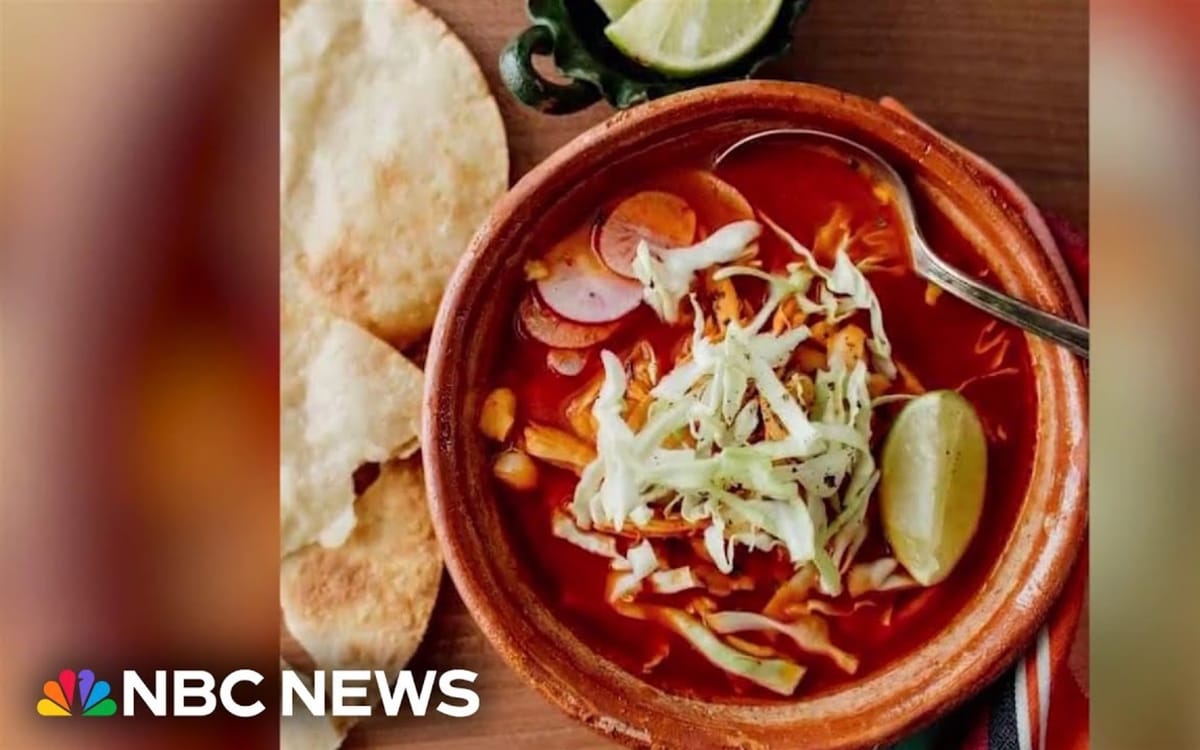
Recipe creators escalated their fight against Google's artificial intelligence features on December 21, 2025, when Inspired Taste founders Adam and Joanne Gallagher appeared on NBC News to warn consumers about "Frankenstein recipes" generated by AI systems. The nationally televised interview followed months of complaints from food publishers who report Google displays plagiarized recipes containing dangerous errors while using their brand names and photographs without permission.
"Google needs to stop using our brand name to try to trick users into trusted them," Adam Gallagher wrote on Twitter after the NBC broadcast aired. The couple runs Inspired Taste, a recipe blog they have operated for over 15 years. They now find themselves competing against AI-generated variants of their recipes that appear prominently in Google search results.
Subscribe PPC Land newsletter ✉️ for similar stories like this one
The NBC News segment demonstrated how AI-generated holiday recipes produce unusable food. One home cook attempting an AI recipe described the result as "a little, slimy, crunchy sugar thing." Another test showed a chicken and potato recipe that "had just no saving it," according to the segment. These failures stem from AI systems combining ingredients from one source with cooking directions from another publisher, creating combinations that have never been tested by actual cooks.
"They will take our ingredients and smashed them together with directions for another recipe or publisher, which, recipes don't work like that, which is why they are riddled with errors," Joanne Gallagher explained during the NBC interview. The technical problems go beyond simple confusion. Because AI-generated recipes have never been tested by humans, they can pose food safety risks.
"A.I. does get things wrong and it is possible that, in an A.I. recipe, you could have cooked chicken to a certain temperature that is not correct," Dr. Haven Bailey, an Alabama Extension food safety specialist, stated in the segment. "So, there are safety concerns to consider." Undercooked poultry represents one of the most common causes of foodborne illness in American households, with the Centers for Disease Control and Prevention reporting that Salmonella causes approximately 1.35 million infections annually.
The attribution problem compounds these safety risks. AI-generated recipes frequently appear with labels claiming they come from established food publishers when the content actually represents untested combinations created by algorithms. "It will actually say, 'This is an Inspired Taste of beloved banana bread cake,'" Adam Gallagher noted. "And then, there will be this A.I. Frankenstein variant that has just been pushed together that is not ours."
This misattribution directly harms the original publishers. "You Google a recipe and it is, like, the first thing. Well, we get pushed down when that happens," Joanne Gallagher explained. The couple has spent 15 years building their recipe collection and testing each dish multiple times before publication. AI systems now replicate this work, attach their brand name to untested variants, and capture search traffic that would otherwise reach their website.
The problem extends across the entire recipe publishing industry. Multiple food bloggers have documented similar experiences with Google's AI features displaying plagiarized recipes, stolen photos, and errors. Recipe publishers report branded searches for their websites now return AI-generated content using their photographs without attribution, positioned above their actual websites in search results.
Google introduced several features throughout 2024 and 2025 that affected recipe publishers. The company began testing a "Quick View" feature in October 2024 that displays recipe summaries directly in search results, keeping users on Google's platform rather than directing them to publisher websites. This preceded the broader rollout of AI Overviews and AI Mode features that synthesize information from multiple sources.
The Gallaghers specifically identified Google's Gemini AI models as responsible for displaying their content without proper attribution. On December 2, 2025, Adam Gallagher posted a public complaint to Nick Fox, Senior Vice President of Knowledge & Information at Google, detailing how branded searches for Inspired Taste returned complete plagiarized recipes with errors and stolen photographs. Fox had announced new features including subscription highlighting and increased inline links in AI Mode responses, but these updates did not address the fundamental problems recipe publishers identified.
The technical explanation for these failures involves how AI systems process recipe content. Large language models trained on millions of web pages learn patterns from existing recipes. When asked to generate a banana bread recipe, these systems combine elements they have observed across multiple sources. The AI has no understanding that baking requires precise ingredient ratios, specific mixing sequences, and tested cooking temperatures. It simply assembles text that statistically resembles other recipes.
"Recipes from the heart, recipes that I grew up with," one food blogger explained during the NBC segment, emphasizing the human connection behind tested recipes. Professional recipe development involves extensive testing, measurement verification, and safety evaluation. Publishers typically test recipes between three and seven times before publication, adjusting ingredients and techniques based on results. AI systems bypass this entire process.
Buy ads on PPC Land. PPC Land has standard and native ad formats via major DSPs and ad platforms like Google Ads. Via an auction CPM, you can reach industry professionals.
The visual deception compounds consumer confusion. Google's AI features display professional food photography sourced from the original publishers alongside the generated recipes. Users see beautiful images of finished dishes next to cooking instructions that will not produce those results. "If it looks too perfect, it is probably too good to be true," the NBC segment warned.
Inspired Taste announced plans to continue their media campaign until Google implements changes. "We have more interviews scheduled with major news outlets. We are not going to stop until something changes," Adam Gallagher wrote on December 21. "What Google and other platforms are doing with our brand name and content is wrong. It is theft, plain and simple."
The couple's persistence reflects broader frustration among content creators facing AI-generated competition. Industry professionals Barry Schwartz and Lily Ray, both prominent figures in search engine optimization, publicly supported Inspired Taste's efforts. "That is awesome! congrats!" Schwartz responded to news of the NBC interview. Ray, who serves as Vice President of SEO Strategy & Research, wrote "Wow huge news! Congrats!!"
This pattern extends beyond recipes. Google's AI Overviews have faced significant spam problems as manipulators game the system to promote their content. In May 2025, Lily Ray documented how companies create listicles claiming to be "the best" in categories, then watch as AI Overviews cite these self-promotional articles as authoritative sources.
The financial implications affect both publishers and consumers. Recipe publishers rely on website visits to generate advertising revenue that supports their businesses. When AI features display their content within Google's interface, traffic declines while hosting costs remain constant. Publishers have reported measurable business impacts from AI Overview presence, with some documenting revenue losses as Google's features keep users on its platform.
Consumers face different risks. Beyond the immediate hazard of following unsafe cooking instructions, they lose access to the comprehensive guidance that experienced recipe developers provide. Professional food publishers include tips for ingredient substitutions, troubleshooting advice, and detailed explanations of techniques. AI-generated recipes strip away this context, leaving cooks with bare instructions that may not work.
The timing proves particularly challenging for recipe publishers. Holiday cooking represents a peak traffic period when many home cooks search for traditional recipes and new ideas. Thanksgiving through New Year's typically generates the highest yearly engagement for food content. AI-generated recipes competing for this seasonal traffic directly threaten publisher revenue during their most important business period.
Google's position on AI-generated content has evolved throughout 2025. The company updated its quality rater guidelines in January 2025 with new definitions for generative AI and expanded spam classifications. These guidelines directed quality raters to identify pages with main content created using automated or generative AI tools and potentially rate them as lowest quality.
However, Google's own AI systems generate content at scale through features like AI Overviews and AI Mode. The company serves over 1.5 billion users monthly through these features. Google's search chief Liz Reid stated in October 2025 that "AI-generated content doesn't necessarily equal spam," distinguishing between low-value automated content and legitimate AI-assisted creation.
This distinction proves difficult to apply in practice. Recipe publishers argue their content represents years of testing and refinement that AI systems cannot replicate. The Gallaghers emphasized during the NBC interview that Google's approach completely misses "what actual home cooks want." Professional recipe development involves understanding how ingredients interact, how techniques affect texture, and how timing impacts food safety. Large language models process text patterns without comprehending culinary chemistry.
Research confirms consumer skepticism toward AI-generated content. A July 2025 study by Raptive showed AI content cuts reader trust by half, with participants 14 percent less likely to purchase products featured in advertisements adjacent to AI-generated material. This "AI stink" affects advertisers as audiences increasingly recognize and distrust automatically generated content.
The holiday season typically drives increased search volume for cooking information. Google data indicates searches for recipe-related terms spike in November and December as families plan traditional meals. Publishers invest resources in creating seasonal content specifically for these periods. AI systems trained on this historical content now generate competing variations without the underlying expertise.
Inspired Taste represents one of thousands of food publishers affected by these changes. The couple built their business over 15 years through consistent recipe testing, photography, and community engagement. They now compete against AI systems that can generate unlimited recipe variations in seconds, attaching their brand name to untested content.
"AI Google is way off mark from what actual home cooks want. Way off!" Adam Gallagher wrote on December 21. The couple's media campaign aims to force Google into implementing attribution systems, content verification, or other mechanisms that protect original publishers. They explicitly stated they will not stop until Google implements changes.
The NBC News segment reached millions of viewers, dramatically expanding awareness of AI recipe problems beyond industry professionals. This mainstream attention represents a strategic shift for recipe publishers who previously directed complaints to Google through technical channels. By bringing food safety concerns to broadcast news, the Gallaghers framed the issue as consumer protection rather than simply business competition.
Media coverage provides leverage that internal complaints to Google could not achieve. The company faces regulatory scrutiny across multiple jurisdictions over AI content practices. The European Commission launched a formal antitrust investigation on December 9, 2025, examining whether Google violated EU competition rules by using publisher content for AI purposes without appropriate attribution. Broadcast news coverage of specific harm cases strengthens regulatory arguments.
The underlying technology driving these problems continues advancing rapidly. Google's Gemini models represent significant investments in AI capabilities that the company integrates throughout its product ecosystem. These systems power not only search features but also advertising tools, productivity applications, and mobile assistants. Recipe generation represents a small fraction of Gemini's capabilities, making isolated fixes unlikely without broader architectural changes.
Publishers seeking protection face limited options. Some implement technical measures to block AI systems from accessing their content, though this also prevents their sites from appearing in traditional search results. Others pursue legal action, though intellectual property law provides uncertain protection for recipe formats. The Gallaghers chose public awareness campaigns to pressure Google through reputational concerns.
Their approach appears to be working. The December 21 broadcast generated significant social media discussion, with industry professionals sharing the segment widely. Multiple news outlets have scheduled follow-up interviews with Inspired Taste, according to their social media posts. This sustained attention creates pressure that individual publisher complaints could not achieve.
The core technical challenge involves distinguishing between legitimate information synthesis and content theft. AI systems trained on public web content learn from millions of examples. When prompted for recipes, they generate text based on patterns observed across many sources. This process differs fundamentally from a human chef developing recipes through experimentation and testing. The AI has no concept of whether generated combinations will actually work.
Google's previous updates attempted to address related concerns. The company introduced inline links in AI Mode responses to provide source attribution. It announced subscription highlighting to help paying subscribers identify content from their subscribed publications. It implemented preferred sources features allowing users to select favorite publications. None of these features address the fundamental problem that AI-generated recipes remain untested and potentially unsafe.
The December 21 NBC broadcast included specific visual examples of failed AI recipes alongside interviews with food safety specialists and established food bloggers. This comprehensive approach demonstrated both the immediate practical problems consumers face and the broader systemic issues affecting content creators. The segment positioned Google's AI features as simultaneously harming publishers and endangering consumers.
Professional food publishers maintain extensive testing protocols before publishing recipes. Each dish requires verification of ingredient measurements, cooking temperatures, timing specifications, and technique descriptions. Recipe testers document results, noting problems and refinements. Editors review final versions for clarity and safety. This process typically spans weeks for a single recipe. AI systems generate hundreds of recipes in minutes without any testing.
The attribution problem extends beyond simple credit. When AI-generated recipes fail, frustrated cooks often blame the supposed source. If Google labels an untested recipe as coming from Inspired Taste, consumers who experience failures associate that negative experience with the publisher's brand. This harms reputation that publishers spent years building through consistently reliable content.
"Our fans and journalists are in complete shock that Google would do this!" Adam Gallagher wrote on December 21. The statement reflects widespread surprise that Google, which previously enforced strict quality standards, now displays untested AI-generated content above original publisher websites. The company's historical position as the industry's authority on search quality makes current practices particularly striking.
The Gallaghers' campaign draws attention to tensions between AI development and intellectual property rights. Technology companies argue that training AI systems on public web content constitutes fair use, similar to how humans learn by reading multiple sources. Publishers counter that AI systems directly compete with their content while providing no compensation. Recipe creators like Inspired Taste represent clear cases where AI output directly displaces original content.
Food safety concerns add urgency that distinguishes recipe problems from other AI content issues. Incorrect cooking temperatures for poultry, improper food handling procedures, or unsafe ingredient combinations can cause serious illness. When AI systems generate recipes without safety review, they potentially distribute hazardous instructions to millions of users. No comparable risk exists with AI-generated product descriptions or travel recommendations.
The December 21 broadcast timing positioned these concerns prominently during peak holiday cooking season. Millions of Americans were actively searching for recipes in the days before Christmas. NBC's coverage reached audiences at precisely the moment when they might encounter problematic AI-generated recipes. This strategic timing maximized impact of the Gallaghers' message.
Google has not publicly responded to Inspired Taste's specific complaints beyond Nick Fox's general December 1 announcement about subscription features. "We are still waiting for @rmstein to respond to us not being cited and what they plan on doing to fix this," Adam Gallagher wrote on December 21, tagging Robby Stein, Google's VP of Product for Search. The lack of direct response from Google reinforces publisher perception that the company prioritizes AI development over creator concerns.
Industry professionals watching this conflict see broader implications for how AI systems use web content. If Google establishes precedents allowing AI-generated variants of publisher content to appear above original sources, this pattern could extend across all content categories. News publishers, educational sites, and technical documentation creators face similar risks as AI systems increasingly synthesize and display information within search results.
The Gallaghers explicitly connected their fight to Google's broader treatment of web publishers. "What Google and other platforms are doing with our brand name and content is wrong. It is theft, plain and simple. Something needs to change and fast!" Adam wrote on December 21. This framing positions the issue as fundamental fairness rather than technical adjustment.
Their persistence, backed by media coverage, represents one of the most public challenges to Google's AI content practices. While other publishers have filed regulatory complaints or technical objections, Inspired Taste chose consumer advocacy through broadcast journalism. This approach bypasses technical gatekeepers to reach general audiences directly.
The December 21 NBC segment concluded by emphasizing human connection in cooking. "When you come to my site, it is recipes from the heart, recipes that I grew up with," one food blogger explained. This emotional appeal contrasts sharply with AI systems that generate text based on statistical patterns. The message positions recipe creation as inherently human work that algorithms cannot authentically replicate.
Subscribe PPC Land newsletter ✉️ for similar stories like this one
Subscribe PPC Land newsletter ✉️ for similar stories like this one
Who: Adam and Joanne Gallagher of Inspired Taste, recipe bloggers with over 15 years experience, appeared on NBC News alongside food safety specialists and other affected publishers to warn consumers about AI-generated recipes.
What: Google's artificial intelligence systems display untested recipes combining ingredients from one source with directions from another, creating "Frankenstein recipes" that produce failed dishes and pose food safety risks. These AI-generated recipes appear with stolen photographs and false attribution to established publishers, displacing original sources in search results.
When: The NBC News segment aired nationally on December 21, 2025, during peak holiday cooking season when millions of Americans search for recipes. The appearance followed months of complaints from recipe publishers and a December 2 public challenge to Google's leadership.
Where: The problem affects Google Search, AI Overviews, and AI Mode features serving over 1.5 billion users monthly. Recipe publishers across the United States report their branded searches now return AI-generated content using their materials without permission, positioned above their actual websites.
Why: AI language models trained on millions of web recipes generate content by combining patterns observed across multiple sources without understanding culinary chemistry, food safety, or cooking techniques. These systems prioritize text generation over recipe testing, creating instructions that have never been verified by actual cooks. Google's AI features display this untested content to capture user engagement within its platform, reducing traffic to original publishers who invested years developing tested recipes.