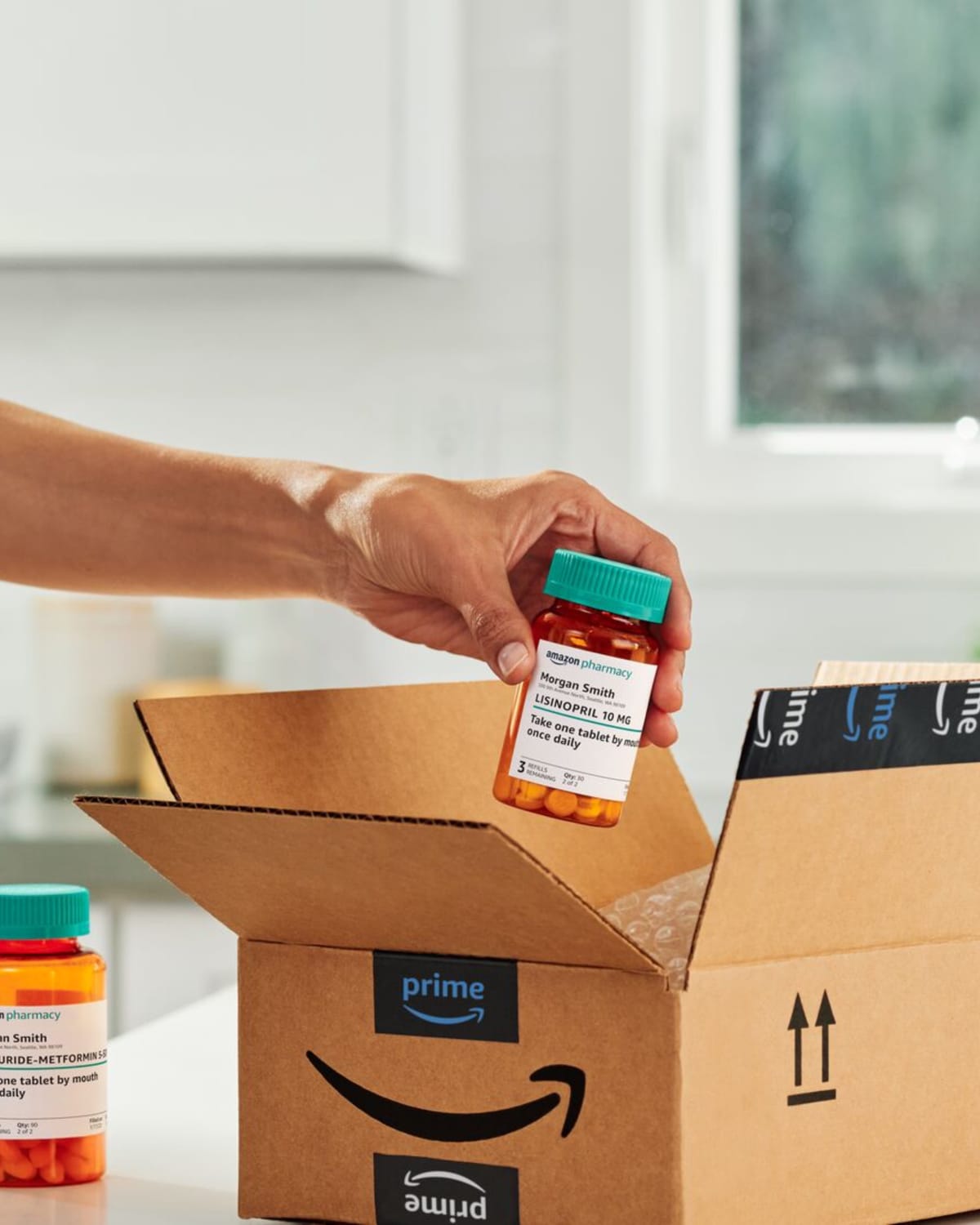
Amazon this week announced plans to expand same-day prescription delivery to nearly 4,500 cities and towns by December 2026, according to a company statement. The expansion introduces same-day medication delivery in Idaho and Massachusetts while extending coverage to communities facing pharmacy closures, staffing shortages, and transportation barriers that leave millions without reliable access to prescriptions.
The pharmacy service currently reaches more than 3,000 U.S. cities and towns, making this one of the most significant geographic expansions in the division's operational history. Amazon Pharmacy's delivery infrastructure leverages the company's broader logistics network, which delivered more than 13 billion items the same or next day to Prime members worldwide in 2025.
"Patients shouldn't have to choose between speed, cost, and convenience when it comes to their medication, regardless of where they live," said John Love, vice president of Amazon Pharmacy, in the announcement. "By combining our pharmacy expertise with our logistics network, we're removing critical barriers and helping patients start treatment faster - setting a new standard for accessible, digital-forward pharmacy care."
Geographic expansion addresses medication access barriers
The 2026 expansion targets communities experiencing what public health researchers characterize as pharmacy deserts - areas where residents face significant obstacles obtaining prescription medications. Pharmacy closures have accelerated across rural and underserved urban areas throughout recent years, creating gaps in medication access that disproportionately affect populations managing chronic conditions.
Staffing shortages compound these accessibility challenges. Pharmacies operating with reduced personnel often cannot maintain extended hours or provide comprehensive patient counseling services. Transportation barriers present additional obstacles, particularly in communities where residents lack reliable vehicle access or public transit options to reach pharmacy locations.
Amazon Pharmacy's expansion specifically addresses these structural challenges through delivery infrastructure that brings medications directly to patient addresses. The service eliminates requirements for physical pharmacy visits, removing transportation obstacles while providing access in areas where brick-and-mortar pharmacy options have diminished or disappeared entirely.
The company achieved faster delivery speeds throughout 2025 across all 50 states and Washington, D.C., employing delivery methods tailored to community-specific requirements. Dense urban areas including Manhattan receive medications via e-bike delivery. Suburban communities such as Chesterbrook, Pennsylvania utilize electric vehicle fleets. Remote locations including Mackinac Island, Michigan receive prescriptions through ferry services and horse-drawn carriage delivery.
Amazon's prescription delivery network demonstrates operational flexibility across diverse geographic environments. The company's logistics infrastructure supports same-day and next-day delivery in settings ranging from metropolitan centers to isolated rural communities.
In Los Angeles, One Medical patients can retrieve prescriptions within minutes using Amazon Pharmacy kiosks located at select clinic lobbies. The kiosk system enables patients to begin treatment immediately following appointments, eliminating waiting periods typically associated with prescription fulfillment. Amazon Pharmacy plans to expand in-person kiosk access to additional locations throughout 2026, according to the announcement.
One Medical's integration with Amazon Pharmacy creates what the company characterizes as a closed-loop system where Health AI can identify medication needs, facilitate prescription renewals through One Medical providers, and direct fulfillment through Amazon's pharmacy operations.
Fast delivery capabilities extend beyond major metropolitan areas into communities where traditional mail-order pharmacy services require five to ten days for prescription delivery. Amazon Pharmacy provides various fast shipping options to remote Alaska towns and across the Navajo Nation in communities including Fort Defiance and Keams Canyon. In these locations, the nearest brick-and-mortar pharmacy can require 45 to 60-minute drives, creating significant barriers for residents managing acute or chronic conditions.
The company leverages its delivery logistics network to bring prescriptions to customer homes the next day or within two to three days in areas where same-day service remains unavailable. This delivery timeline represents substantial improvement over traditional mail-order pharmacy services that dominated rural prescription access before Amazon's infrastructure deployment.
Amazon Pharmacy's expanded same-day and next-day delivery capabilities particularly support customers managing both acute and chronic conditions in hard-to-reach or underserved areas. The service reduced delivery times from days to hours in communities previously dependent on mail-order pharmacy services or long-distance travel to physical pharmacy locations.
Pharmacy deserts receive 24/7 access and automated services
In communities experiencing pharmacy closures or limited pharmacy access, Amazon Pharmacy provides several features designed to address gaps in medication management infrastructure. The service offers 24/7 access to licensed pharmacists through digital communication channels, eliminating constraints imposed by traditional pharmacy operating hours.
Automatic refills address medication adherence challenges that disproportionately affect patients managing chronic conditions. The system monitors prescription schedules and initiates refill processes before medications run out, reducing gaps in treatment continuity that can result from forgotten refills or delayed pharmacy visits.
PillPack from Amazon Pharmacy organizes medications by dose and time into easy-to-open packets delivered monthly. The packaging system helps customers and caregivers manage multiple prescriptions more reliably, addressing complexity that contributes to medication errors and non-adherence. Amazon Pharmacy introduced a caregiver support feature in 2025 to help families manage medications for relatives requiring assistance with prescription management.
The service structure reflects Amazon's broader expansion of healthcare delivery infrastructure. The company has systematically built capabilities that reduce friction in prescription access while addressing specific barriers prevalent in underserved communities.
Cost reduction programs target prescription affordability
Amazon Pharmacy operates several programs designed to reduce prescription costs for customers facing financial barriers to medication access. The initiatives address pricing concerns that research consistently identifies as a primary obstacle to medication adherence.
Prime members without insurance can save up to 80 percent on generic medications and 40 percent on brand-name medications through Prime Rx at no additional cost beyond standard Prime membership fees. The program eliminates copayments and deductibles that create financial barriers for uninsured patients.
RxPass, a $5 monthly prescription subscription, expanded to Prime members in 48 states including Texas during 2025. The service provides free, fast delivery in eligible locations for more than 50 commonly prescribed medications used to treat conditions including diabetes, hypertension, anxiety, and heart disease.
The subscription model addresses cost predictability concerns for patients managing chronic conditions requiring multiple maintenance medications. A fixed monthly fee eliminates variable costs associated with individual prescription fills, enabling more accurate healthcare budgeting.
Amazon Pharmacy offers the Wegovy pill, characterized in the announcement as the only FDA-approved oral GLP-1 medication for weight management. Transparent pricing starts at $25 for a one-month supply with insurance, with cash-pay options beginning at $149 monthly. The pricing structure contrasts with traditional pharmacy models where GLP-1 medication costs often lack transparency before insurance processing.
Industry collaborations expand medication access infrastructure
Amazon Pharmacy has established partnerships with healthcare organizations designed to expand medication access and improve price transparency across the prescription fulfillment ecosystem. These collaborations address fragmentation that historically complicated prescription workflows and pricing visibility.
The company collaborated with WeightWatchers to offer weight management medications through integrated pathways. Partnership with Experity's Urgent Care Network enables rapid prescription connections for urgent care patients, reducing delays between diagnosis and treatment initiation. Collaboration with DoseSpot provides inventory and price transparency for healthcare providers prescribing medications, enabling more informed discussions about medication costs during clinical encounters.
These partnerships reflect broader industry movements toward vertical integration in healthcare delivery. By connecting prescribing systems, pharmacy fulfillment, and delivery infrastructure, Amazon Pharmacy addresses coordination failures that contribute to prescription abandonment and treatment delays.
The integrations provide healthcare organizations with tools to confirm medication availability and pricing before patients leave clinical settings. This transparency contrasts with traditional pharmacy models where patients often discover costs and availability constraints only after attempting to fill prescriptions at retail locations.
Together, these efforts target customers in communities with limited pharmacy access while providing options for patients facing transportation, financial, or time barriers to obtaining medications through conventional pharmacy channels.
Marketing implications for healthcare advertising
For digital marketing professionals, Amazon Pharmacy's geographic expansion represents significant developments in retail media and healthcare advertising infrastructure. The service's growth creates new inventory opportunities for pharmaceutical manufacturers, health insurance providers, and consumer health brands targeting patients at the point of prescription fulfillment decision-making.
Amazon's healthcare infrastructure now spans prescription delivery, primary care through One Medical, and artificial intelligence-powered health assistance. This vertical integration creates advertising touchpoints throughout patient healthcare journeys - from initial symptom inquiry through prescription refills and chronic disease management.
The pharmacy expansion particularly impacts consumer packaged goods brands marketing over-the-counter health products. Amazon Pharmacy's customer base represents high-intent audiences actively managing health conditions, creating targeting opportunities for complementary product categories including vitamins, first aid supplies, and wellness products.
Geographic expansion into underserved communities also affects healthcare advertising reach considerations. Brands historically dependent on traditional pharmacy retail channels for product discovery now face an environment where prescription delivery infrastructure captures patients who might never visit physical pharmacy locations. This shift requires recalibration of media strategies that assumed brick-and-mortar pharmacy foot traffic.
The delivery infrastructure supporting Amazon Pharmacy builds on capabilities the company deployed across grocery and general merchandise categories. Amazon expanded same-day delivery for fresh groceries to more than 2,300 cities by December 2025, demonstrating logistics expertise in handling temperature-sensitive, time-critical products similar to certain prescription medications.
Amazon's retail media capabilities provide pharmaceutical marketers with data signals connecting prescription searches, product browsing, and purchase behavior. These connections enable campaign optimization based on patient behaviors throughout medication research and selection processes. The company's advertising business operates at a $69 billion annual revenue run rate, with retail media capabilities representing core growth drivers.
For healthcare advertising strategists, the Amazon Pharmacy expansion creates questions about channel allocation as prescription fulfillment migrates from traditional retail pharmacy settings to home delivery models. Brands must evaluate how media investments shift when patient touchpoints move from pharmacy aisles to digital interfaces accessed during prescription ordering and management.
The development also affects competitive dynamics in retail media. Traditional pharmacy chains including CVS and Walgreens have built retail media networks monetizing in-store and digital pharmacy traffic. Amazon's geographic expansion and integrated healthcare infrastructure present alternative paths for pharmaceutical marketing budgets, potentially fragmenting spending across multiple retail media platforms.
Healthcare marketers must consider measurement frameworks that account for prescription fulfillment occurring outside traditional point-of-sale environments. Attribution models developed for brick-and-mortar pharmacy purchases require adaptation when patients receive medications through home delivery without visiting physical retail locations.
The pharmacy expansion arrives as Amazon systematically builds healthcare capabilities across multiple services. The company made its Alexa+ AI assistant available to all U.S. Prime members at no additional cost in February 2026, creating voice commerce infrastructure that includes prescription ordering and medication management features.
Amazon's approach to healthcare infrastructure development follows patterns established in other retail categories where the company deployed logistics capabilities, then layered advertising products onto established customer relationships. This sequencing creates what advertising technology professionals characterize as closed-loop measurement - the ability to connect ad exposure to purchasing behavior within a single ecosystem.
For consumer health brands, Amazon Pharmacy's expansion into 4,500 cities creates audience scale approaching traditional pharmacy retail networks while maintaining data connectivity that physical retail environments cannot match. This combination of reach and measurement capability represents what many advertising executives consider the fundamental value proposition of retail media.
Timeline
- August 23, 2024 - Amazon announces Prime Big Deal Days with RxPass available to members in select states
- December 2024 - Amazon Pharmacy reaches 3,000+ U.S. cities and towns with same-day prescription delivery
- 2025 - Amazon Pharmacy introduces caregiver support feature for medication management
- 2025 - RxPass expands to Prime members in 48 states including Texas
- 2025 - Amazon Pharmacy achieves faster delivery speeds across all 50 states and Washington, D.C.
- January 2026 - Amazon's Health AI assistant launches with Amazon Pharmacy integration for prescription renewals
- February 3, 2026 - Amazon delivers over 13 billion items same or next day to Prime members worldwide in 2025
- February 8, 2026 - Amazon makes Alexa+ AI assistant free for Prime members
- February 11, 2026 - Amazon announces expansion to nearly 4,500 cities and towns by end of 2026, adding Idaho and Massachusetts
- End of 2026 - Projected completion of expansion adding nearly 2,000 new communities to same-day prescription delivery network
Summary
Who: Amazon Pharmacy, led by vice president John Love, announced the expansion affecting customers across nearly 4,500 U.S. cities and towns. The service will reach new states including Idaho and Massachusetts while serving communities experiencing pharmacy closures and access barriers.
What: Amazon Pharmacy will expand same-day prescription delivery to nearly 4,500 cities and towns by the end of 2026, adding nearly 2,000 new communities to its existing network. The expansion includes 24/7 pharmacist access, automatic refills, PillPack medication packaging, prescription kiosks at One Medical locations, and cost reduction programs including Prime Rx discounts and the $5 monthly RxPass subscription covering over 50 commonly prescribed medications.
When: The announcement was made on February 11, 2026, with full expansion completion targeted for December 2026. Amazon Pharmacy achieved faster delivery speeds throughout 2025 across all 50 states and introduced caregiver support features during that year.
Where: The expansion extends across the United States, reaching nearly 4,500 cities and towns including newly served states Idaho and Massachusetts. The service addresses pharmacy deserts in rural areas, remote Alaska towns, Navajo Nation communities including Fort Defiance and Keams Canyon, and underserved urban neighborhoods. Specific delivery methods adapt to local infrastructure - e-bikes in Manhattan, electric vehicles in suburban areas like Chesterbrook, Pennsylvania, and ferry plus horse-drawn carriage delivery on Mackinac Island, Michigan.
Why: The expansion addresses medication access challenges created by pharmacy closures, staffing shortages, and transportation barriers affecting millions of customers. According to Amazon, patients in underserved areas can face 45 to 60-minute drives to reach the nearest pharmacy, while traditional mail-order services require five to ten days for delivery. The company aims to eliminate the choice between speed, cost, and convenience for medication access while setting what Love characterized as "a new standard for accessible, digital-forward pharmacy care."
Share this article
The link has been copied!