
Google appeals DOJ search ruling, asks to pause data-sharing remedies
Google filed appeal notice January 16 seeking to pause mandates forcing search data sharing with competitors while appeal is heard in search monopoly case.

Google filed appeal notice January 16 seeking to pause mandates forcing search data sharing with competitors while appeal is heard in search monopoly case.
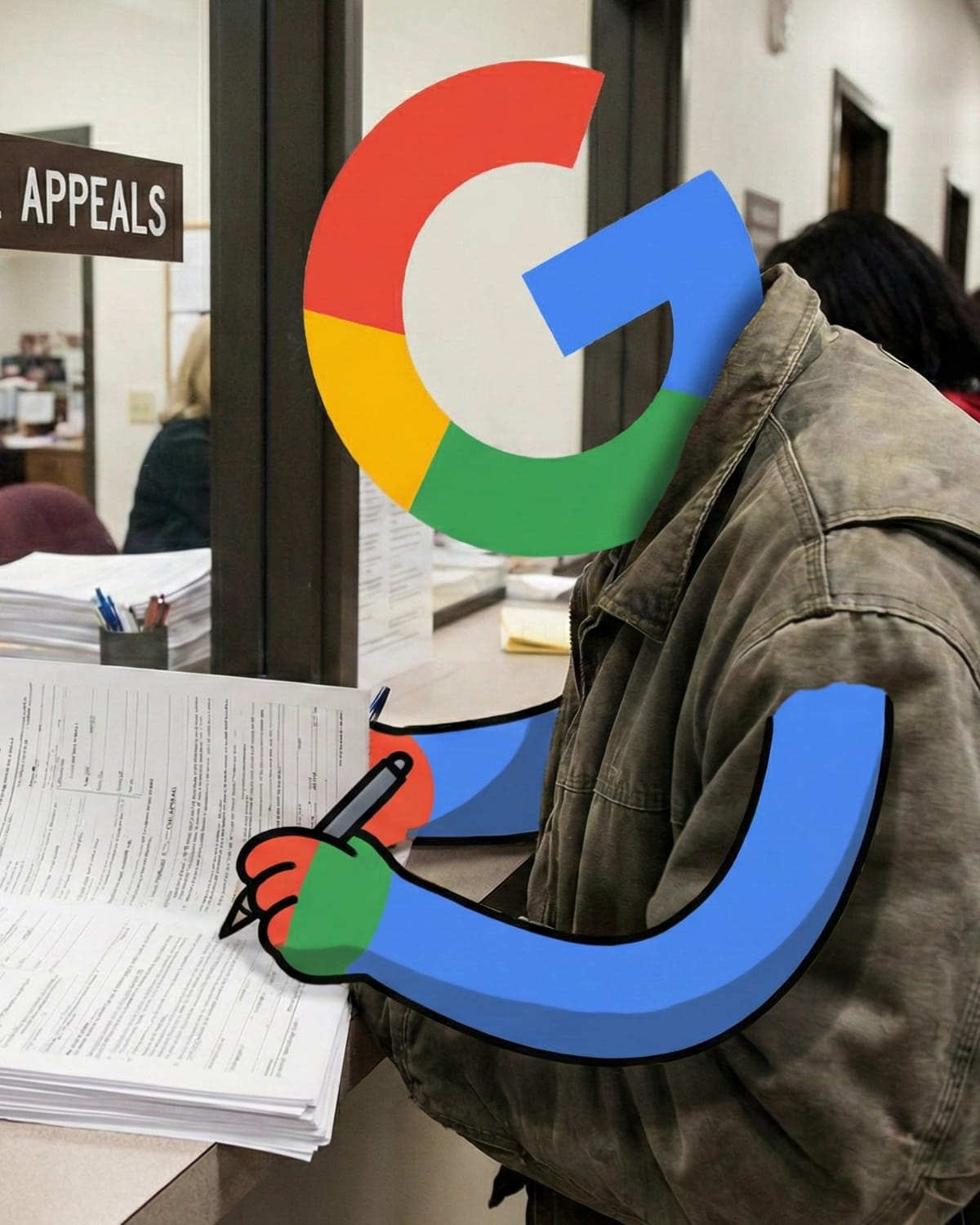
Google yesterday filed its notice to appeal the Department of Justice's search distribution case and requested the court pause implementation of specific remedies requiring the company to share search data and provide syndication services to competitors. The filing marks the beginning of what could be years of additional litigation following the August 2024 ruling that found Google illegally maintained a monopoly in online search and search advertising markets.
According to Lee-Anne Mulholland, Google's Vice President of Regulatory Affairs, the company's appeal challenges what it characterizes as fundamental misunderstandings about consumer choice and competitive dynamics. The statement, published on January 16, 2026, outlines Google's core objections to U.S. District Judge Amit Mehta's liability finding and emphasizes the company's concerns about privacy risks and innovation impact from court-ordered remedies.
"The Court's August 2024 ruling ignored the reality that people use Google because they want to, not because they're forced to," according to Mulholland's statement. The filing challenges three fundamental aspects of the case: consumer choice dynamics, the pace of innovation in search markets, and testimony from distribution partners about their product selection criteria.
The appeal specifically targets remedies that would compel Google to share search data with competitors and mandate syndication services. These requirements emerged from the remedies phase that concluded with Judge Mehta's September 2, 2025 ruling imposing significant behavioral restrictions while rejecting the Department of Justice's demand for Chrome browser divestiture.
Google's statement frames the data-sharing mandates as threats to both user privacy and competitive innovation. "These mandates would risk Americans' privacy and discourage competitors from building their own products—ultimately stifling the innovation that keeps the U.S. at the forefront of global technology," Mulholland stated in the announcement.
The filing comes as Google simultaneously confronts multiple antitrust proceedings affecting its core business operations. The Department of Justice secured a ruling in April 2025 that Google illegally monopolized publisher ad server and ad exchange markets, with remedies in that case potentially requiring divestiture of key advertising technology assets.
Judge Mehta's original August 2024 ruling found that Google controls approximately 90% of the online search market overall and 95% on smartphones. The court determined that Google paid $26.3 billion in 2021 alone to ensure its search engine remained the default option across various platforms, effectively maintaining market dominance through exclusive distribution agreements with Apple, Mozilla, Samsung, and other device manufacturers and browser developers.
The September 2025 remedies ruling rejected the most aggressive structural demands but imposed comprehensive behavioral restrictions. The court barred Google from maintaining exclusive contracts for its search, Chrome, Assistant, and Gemini products. It mandated data sharing with qualified competitors, search and advertising syndication services, and public disclosure of advertising auction changes.
Under the data-sharing provisions, Google must provide qualified competitors access to specific components of its search infrastructure. The ruling requires Google to syndicate ranked organic web search results obtained from crawling the web, search features that enable query corrections and modifications like spelling and synonyms, Local, Maps, Video, Images, and Knowledge Panel search feature content, and FastSearch results for rapid top organic results.
These requirements specifically target what the court identified as Google's "super query log" system called Glue, which captures detailed information about user searches and their interactions with results. The mandates aim to close what Judge Mehta termed the "scale gap" between Google and potential competitors.
Google's appeal emphasizes concerns about innovation impacts. The company argues that forced data sharing would eliminate incentives for competitors to develop their own technologies and products. Mulholland's statement suggests the remedies could fundamentally alter competitive dynamics in ways that harm rather than help market development.
The timing positions Google to contest both the liability finding and the scope of remedies while implementation proceeds. Court filings show Google requested specific pauses on data-sharing and syndication mandates during the appeal process, arguing these requirements pose immediate risks to privacy and competitive dynamics.
Browser makers including Apple and Mozilla testified during the original trial that they choose to feature Google because it provides the highest quality search experience for their consumers. "The decision failed to account for the rapid pace of innovation and intense competition we face from established players and well-funded startups," according to Google's statement. The company points to competitive pressures from AI-powered search alternatives and other emerging technologies.
The Department of Justice's position centers on breaking what prosecutors characterize as Google's self-reinforcing monopoly cycle. The government argues that Google's exclusive distribution agreements prevented rivals from accessing users, which prevented those rivals from accumulating the data necessary to improve their products, which further entrenched Google's dominance.
Privacy advocates and competition experts have expressed skepticism about whether behavioral remedies without structural separation can restore genuine competitive conditions. DuckDuckGo CEO Gabriel Weinberg criticized the September 2025 ruling as insufficient, arguing the measures fall short of addressing what his company characterizes as illegal monopolistic behavior.
The case raises complex questions about data sharing and privacy protection. Google maintains that providing competitors with access to user search data and interaction information poses inherent privacy risks, particularly when mandates force sharing with companies that may lack equivalent security infrastructure or privacy commitments.
However, the court designed specific privacy safeguards into the data-sharing requirements. Judge Mehta narrowed the datasets Google must share "to tailor the remedy to its anticompetitive conduct," excluding advertising data from sharing mandates. The ruling acknowledged tensions between competition restoration and legitimate privacy concerns.
Technical implementation of the September 2025 remedies was scheduled to occur under judicial oversight with quarterly compliance reports required. Google must establish data-sharing mechanisms and modify auction transparency within specified timeframes. The company faces additional oversight through court-appointed Technical Committee members responsible for compliance verification.
The appeal potentially delays these implementation requirements, particularly for the data-sharing and syndication mandates Google specifically requested pausing. The stay request creates uncertainty about when competitors might gain access to Google's search infrastructure and data.
Marketing professionals face prolonged uncertainty about search market dynamics as the appeal proceeds. The case could extend well into 2026 or beyond, creating sustained questions about whether Google's exclusive distribution agreements will continue, what data competitors might eventually access, and how advertising auction transparency requirements will reshape campaign management.
The financial stakes remain substantial despite Google avoiding forced Chrome divestiture. The court's restrictions on exclusive distribution agreements could impact billions in annual payments that previously secured default search engine placement on devices. Google spent more than $26 billion in 2021 alone securing default search placements, with approximately $18 billion directed to Apple under their revenue-sharing agreement.
The combined antitrust pressure across search and advertising technology threatens multiple revenue streams simultaneously. Google Services, including revenue from advertising, Android, and Chrome, accounted for 87% of Alphabet's $84 billion fourth-quarter 2024 revenue. Restrictions spanning both cases could fundamentally alter how the company operates core products.
Competitive dynamics in search markets have evolved considerably since the original case filing in October 2020. Artificial intelligence companies including Perplexity, OpenAI, and others have launched AI-powered search alternatives that threaten Google's traditional information retrieval dominance. OpenAI CEO Sam Altman expressed interest in acquiring Chrome if divestiture were ordered, while Perplexity offered $34.5 billion for the browser.
These developments inform Google's argument that competitive pressures have intensified since the liability trial concluded. The company maintains that rapid AI advancement and new entrants demonstrate dynamic rather than static market conditions, undermining the monopoly findings.
The appeal timeline remains uncertain. Federal appeals typically take 12-18 months from filing to oral arguments, followed by additional time for judicial deliberation and opinion drafting. Complex antitrust appeals often extend beyond standard timeframes, particularly when addressing novel questions about digital platform regulation and remedies scope.
Google's statement concludes by promising to "make our case in court later this year," suggesting the company anticipates appellate proceedings commencing during 2026. The outcome will determine whether Judge Mehta's findings stand and whether the behavioral remedies take effect as designed or require substantial modification.
The broader implications extend beyond Google's immediate business interests. The case represents the most significant search market antitrust action since the Microsoft browser case of the 1990s, establishing precedents for how courts evaluate platform dominance, distribution agreements, and appropriate remedies in rapidly evolving technology markets.
For publishers and advertisers, the appeal delays clarity about future search landscape dynamics. Questions persist about whether data-sharing mandates will enable genuine competitive alternatives, how advertising auction transparency requirements might affect campaign performance visibility, and whether Google's dominance in search advertising will face material challenges from enabled competitors.
The November 2024 liability trial in the separate advertising technology case revealed Google's internal assessments of potential breakup scenarios, including Project Monday plans to shut down AdX entirely. These revelations demonstrated the company's capacity to technically implement structural separation, complicating arguments about remedies feasibility.
However, the search case remedies focus on behavioral restrictions and data access rather than forced asset sales. This distinction shapes both the implementation challenges and the competitive impacts. Data-sharing mandates require ongoing monitoring and compliance verification in ways that permanent divestiture does not.
The Technical Committee established under Judge Mehta's ruling must navigate complex issues around data-sharing protocols, syndication technical specifications, and auction transparency requirements while preserving legitimate business interests and trade secrets. This implementation complexity could itself become grounds for appellate challenges if Google argues the requirements prove unworkable.
Industry observers note the appeal creates immediate strategic advantages for Google beyond its legal merits. The stay request for data-sharing and syndication mandates prevents competitors from accessing Google's infrastructure during the appeal period, maintaining the status quo that generated the monopoly findings in the first place.
This dynamic reflects fundamental tensions in antitrust remedy design: delayed implementation preserves monopoly benefits during appeals, but premature enforcement risks irreversible competitive harm if appellate courts reverse liability findings or narrow remedies scope. Judge Mehta must balance these competing risks in deciding whether to grant Google's stay request.
The case continues attracting attention from competition policy experts worldwide. European regulatory approaches have imposed more aggressive structural remedies against technology companies, while other jurisdictions observe U.S. proceedings closely for precedential value.
Google's simultaneous confrontation with antitrust challenges across search, advertising technology, and mobile platforms creates unprecedented regulatory pressure on a single company. The combined proceedings could reshape multiple markets where Google maintains dominant positions, with cascading effects throughout digital advertising ecosystems.
The marketing community's response will depend heavily on implementation timelines and effectiveness. If the appeal succeeds in overturning or substantially narrowing Judge Mehta's findings, Google's current market position largely persists. If remedies take effect during appeals or survive judicial review, advertisers and publishers must prepare for potentially significant changes in search advertising dynamics, data access, and competitive alternatives.
Who: Google LLC and Alphabet Inc. filed the appeal challenging Judge Amit Mehta's August 2024 monopoly finding and September 2025 remedies ruling. Lee-Anne Mulholland, Google's Vice President of Regulatory Affairs, issued the company's official statement. The case involves the Department of Justice, 38 state attorneys general, and multiple distribution partners including Apple, Mozilla, and Samsung.
What: Google filed notice to appeal the DOJ search distribution case and requested the court pause implementation of remedies requiring search data sharing with competitors and mandated syndication services. The appeal challenges findings that Google illegally maintained monopolies in general search services (90% market share) and search text advertising (95% on smartphones) through exclusive distribution agreements worth over $26 billion annually.
When: Google filed the appeal notice on January 16, 2026, following Judge Mehta's September 2, 2025 remedies ruling that imposed behavioral restrictions while rejecting Chrome divestiture demands. The original liability finding occurred August 5, 2024, after a three-week trial examining distribution agreements and competitive dynamics.
Where: The appeal will be heard in federal appellate court following proceedings in U.S. District Court for the District of Columbia, where Judge Mehta presided over both liability and remedies phases. The case affects search markets globally but focuses on U.S. distribution agreements and competitive conditions.
Why: Google argues the court's ruling "ignored the reality that people use Google because they want to, not because they're forced to," challenging findings about consumer choice and competitive harm. The company specifically objects to data-sharing and syndication mandates, claiming they "would risk Americans' privacy and discourage competitors from building their own products—ultimately stifling the innovation that keeps the U.S. at the forefront of global technology."