Google quietly kills Q&A for an AI button most won't use
Google replaces Business Profile Q&A with AI-powered Ask feature, completing a systematic dismantling of customer interaction tools that began with chat removal in 2024.


Google replaces Business Profile Q&A with AI-powered Ask feature, completing a systematic dismantling of customer interaction tools that began with chat removal in 2024.
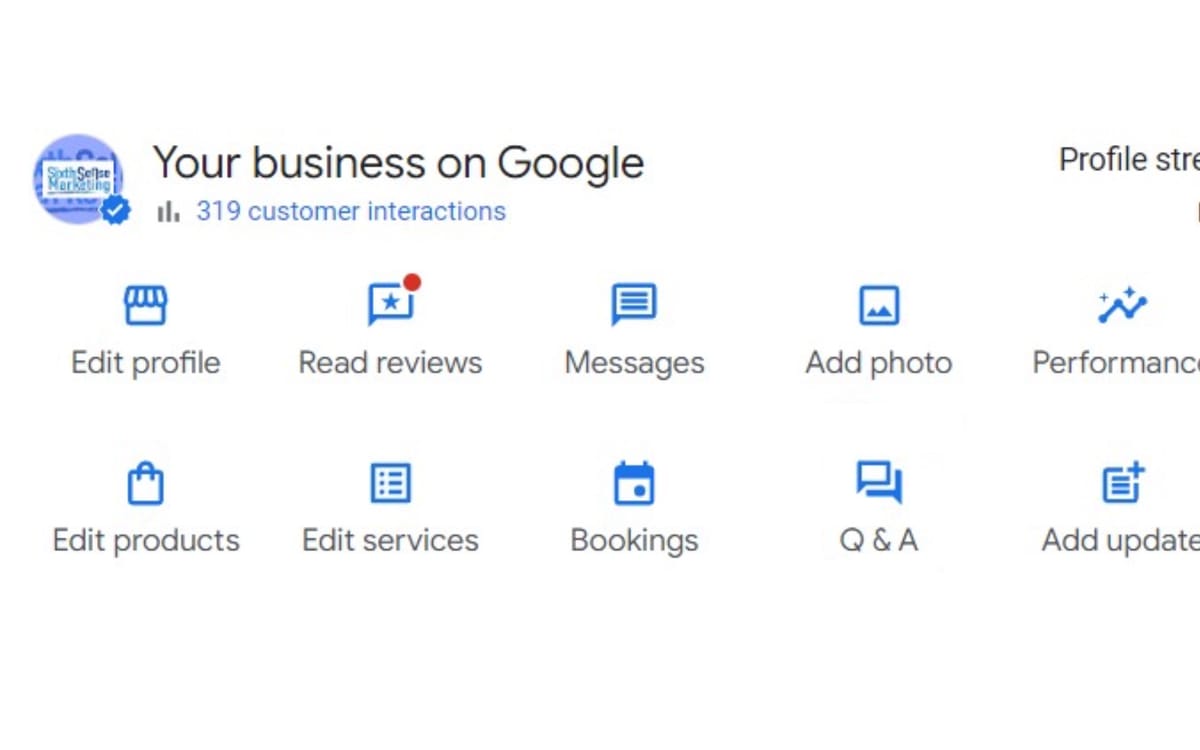
Google confirmed on December 3, 2025, that it will essentially remove the Questions & Answers feature from Google Maps and replace it with an AI-powered Ask button, according to an announcement posted in the Google Business Profile Help Forums by Dan Boguslavsky, a Product Specialist at Google. The change represents another significant reduction in direct communication channels between local businesses and customers, following the discontinuation of the chat feature on July 31, 2024.
The Q&A feature launched in Google Maps in 2017, allowing customers to post questions directly on business listings and receive answers from business owners or other users. Google began pulling back on this functionality earlier in 2025, even completely disabling the feature in some regions and deprecating its API access. The company announced on September 17, 2025, that it would discontinue the My Business Q&A API on November 3, 2025, affecting businesses and third-party applications managing questions programmatically through Google Business Profile listings.
Subscribe PPC Land newsletter ✉️ for similar stories like this one
According to the December 3 announcement, Google "heard feedback that as our Q&A capability has grown over the years, it has become more difficult for customers to wade through all the questions and find timely answers to the specific question they have." The company positioned the change as addressing user frustration with outdated or irrelevant questions accumulating over time.
The new Ask functionality fundamentally alters how customer inquiries work on Google Maps. Instead of browsing existing questions and answers from other users, customers will ask questions directly and receive AI-generated responses. According to Boguslavsky's announcement, "Instead of scrolling through all of the existing FAQs or waiting for a response, customers can ask their question directly in Google Maps and get an updated, instant answer based on your answers and relevant reviews."
For business owners, the operational model shifts from answering specific individual questions to responding to aggregated queries. "Instead of answering dozens of specific questions from customers that may grow stale, you can answer aggregated questions from our customers, saving you time," the announcement stated. "Your answer will then be used to help respond to other customers asking similar questions on Maps."
The backend Q&A section remains accessible through Google Business Profile interfaces. Business owners can continue answering existing questions, and their published questions and answers will "continue to power Google's understanding of the real world and may be shown in Maps," according to the announcement. However, the frontend customer-facing Q&A display will no longer appear in its traditional format.
The Ask button rollout began appearing in Google Maps earlier in 2025 as Google tested the AI-powered alternative. Barry Schwartz reported on Search Engine Roundtable on December 15, 2025, that "Google confirmed it is essentially removing the Q&A feature within Google Maps, and instead, searchers can use the new AI-powered Ask button on a Google Business Profile to get the answers they are looking for."
This change continues a pattern of Google consolidating and automating customer interaction features across its Business Profile ecosystem. The chat feature removal eliminated direct messaging between businesses and customers through Google Search and Maps on July 31, 2024. Starting July 15, 2024, customers could no longer initiate new chat conversations, and existing conversations were preserved only until August 30, 2024, through Google Takeout.
Google's shift toward AI-mediated interactions extends beyond Q&A replacement. The company began automatically calling small businesses on behalf of customers in July 2025, handling appointment scheduling, restaurant wait time inquiries, and service pricing confirmation. The automated calling system operates across the United States except in Indiana, Louisiana, Minnesota, Montana, and Nebraska, where regulatory considerations prevent deployment.
The AI integration strategy also encompasses visual search experiences. Google's Gemini AI assistant began displaying local results from Google Maps on December 13, 2025, presenting structured information cards with business photographs, customer ratings, and practical details. Rather than generating text-only responses to local queries, Gemini now presents visual context alongside traditional AI-generated descriptions.
These changes affect how local businesses manage their online presence and customer communication. Google updated Business Profile service area guidelines on June 24, 2025, explicitly prohibiting businesses from adding countries or states as service areas. The restrictions require businesses to specify service areas by city, postal code, or regional designations within two hours driving time from their base location.
Google also implemented stricter business links policies on September 3, 2025, introducing requirements for dedicated landing pages and direct action completion capabilities. The updated policies mandate that business links enable direct completion of advertised actions without intermediary redirects or additional navigation steps, fundamentally altering how franchise operations and multi-location businesses structure their digital presence.
The Q&A removal raises questions about information freshness and accuracy. The traditional Q&A system relied on community contributions, with multiple users potentially answering questions and providing diverse perspectives. One commenter on Search Engine Roundtable noted, "Yeah this is actually good. The q and a are very stale. Some are dumb questions like are you open, some are t years old."
However, the AI-powered replacement introduces different challenges. The system will generate responses based on business-provided answers and review content, potentially creating a more controlled information environment where customer-to-customer knowledge sharing decreases. The announcement does not specify how the AI will handle contradictory information between business answers and customer reviews.
Jorge Jaroslavsky, a Freelance SEO Consultant, commented on LinkedIn about the change: "Interesting update from Google on the Q&A feature in Maps/Business Profiles – shifting to an AI-powered 'Ask' functionality. On the plus side, it should save businesses a lot of time (no more monitoring endless individual questions), encourage better profile optimisation to feed the AI accurately, and deliver more."
Jonathan R., a Paid Search Marketing Manager, offered a different perspective: "UGH, more AIO's pulling in the responses. Guess that's another reason to fully flush out the QNA's onsite." The comment reflects concerns among marketing professionals that AI-generated responses may pull information from business websites rather than maintaining distinct Q&A content.
The technical implementation remains unclear regarding several operational aspects. Google has not disclosed whether businesses can preview AI-generated responses before they appear to customers, how frequently the system updates its knowledge base from business answers, or what mechanisms exist for correcting inaccurate AI-generated information.
For marketing professionals managing local business listings, the change requires reassessment of Business Profile optimization strategies. Complete and accurate profile information becomes increasingly critical as AI systems rely on structured data to generate customer responses. Google's local search ranking system operates on three fundamental factors: relevance, distance, and prominence, with complete business profiles improving search result matching.
The timing coincides with broader industry shifts toward AI-mediated customer interactions. Businesses now face multiple AI touchpoints across Google's ecosystem: automated phone calls handling customer inquiries, AI-generated search summaries replacing traditional results, and now AI-powered Q&A replacing community-contributed information. Each transition reduces direct business-customer communication in favor of Google-controlled intermediary systems.
Buy ads on PPC Land. PPC Land has standard and native ad formats via major DSPs and ad platforms like Google Ads. Via an auction CPM, you can reach industry professionals.
Google shifted Local Service Ads reviews to Business Profiles management on July 11, 2025, further consolidating review collection and management activities through centralized Business Profile systems. All existing reviews underwent verification against Google Maps Review Policies during the migration process, with reviews suspected of policy violations potentially removed from business profiles.
The Q&A API deprecation provided no equivalent replacement functionality, suggesting different strategic priorities for content management versus analytics capabilities. Google's developer documentation indicated that businesses requiring API access needed to request specific quota allocations through the Google Business Profile API access process, with the company typically assigning zero quotas initially and requiring manual approval for implementation.
Platform policy changes accelerated throughout 2025 across Google's Business Profile ecosystem. The company published updated business links policies on September 3, 2025, doubling the size of policy documentation and introducing comprehensive crawlability verification systems enforcing stricter technical standards for business websites. Websites must provide "unrestricted access" to Google's automated crawlers, specifically prohibiting bot traffic blocking, rate limiting implementation, CAPTCHA requirements, login verification systems, IP address restrictions, and content cloaking mechanisms.
These technical restrictions complement broader Business Profile management requirements. Businesses without customer service at their registered address must remove their address entirely from their profile listings, with address removal becoming mandatory for pure service-area operations while hybrid businesses maintain both address and service area information.
The announcement did not provide a specific timeline for when the Ask feature will fully replace Q&A functionality across all markets. Google stated the changes are "in the process" of implementation, suggesting a gradual rollout similar to other Business Profile modifications throughout 2025.
Business owners concerned about the transition can access their existing Q&A content through the Google Business Profile dashboard. The backend section remains available for answering questions, though the announcement does not clarify how long Google will maintain historical Q&A data or whether it will eventually purge older questions and answers from the system entirely.
The strategic implications extend beyond individual feature changes. Google's systematic replacement of community-driven features with AI-generated alternatives consolidates the company's role as essential intermediary between businesses and customers. Each transition increases dependency on Google's platforms while reducing alternatives for direct business-customer interaction.
Marketing professionals managing multiple business locations face particular challenges. The shift from specific Q&A management to aggregated question responses may not scale effectively for franchise operations or multi-location businesses where individual locations serve distinct customer needs or operate under varying policies. The announcement provides no guidance on how aggregated responses will handle location-specific variations.
The December 3 announcement remains pinned in the Google Business Profile Help Forums, with replies disabled and the question locked. The communication approach mirrors previous feature deprecations where Google announces changes through official channels without soliciting feedback or providing opt-out mechanisms for affected businesses.
For the advertising technology industry, the Q&A removal represents another data point in Google's accelerating AI integration across its local business infrastructure. The company's approach suggests prioritization of automation and standardization over community-contributed information diversity, raising questions about whether AI-generated responses will adequately address the full range of customer inquiries that previously appeared in Q&A sections.
Subscribe PPC Land newsletter ✉️ for similar stories like this one
Subscribe PPC Land newsletter ✉️ for similar stories like this one
Who: Google announced the change affecting all businesses with Google Business Profiles and customers using Google Maps for local business discovery. Dan Boguslavsky, Product Specialist at Google, posted the official announcement in the Google Business Profile Help Forums.
What: Google will replace the traditional Questions & Answers feature in Google Maps with an AI-powered Ask button. Customers will no longer browse existing Q&A threads but instead ask questions directly and receive AI-generated responses based on business-provided answers and relevant reviews. Business owners will answer aggregated questions rather than individual customer inquiries.
When: The announcement was posted on December 3, 2025, with implementation described as "in the process" without a specific completion timeline. The change follows the September 17, 2025, announcement of Q&A API deprecation effective November 3, 2025.
Where: The change applies globally to all Google Maps and Google Business Profile users, affecting both the customer-facing interface in Maps and the business management interface in Google Business Profiles. The backend Q&A section remains accessible through Business Profile dashboards.
Why: Google stated it received feedback that the Q&A capability had become difficult for customers to navigate as questions accumulated over time, making it harder to find timely answers to specific questions. The company positions the AI-powered Ask feature as providing instant, updated answers based on business information and reviews rather than requiring customers to scroll through potentially outdated Q&A content or wait for responses.