
Samsung Messages is dying in July 2026 - here's what changes
Samsung is discontinuing its Messages app in July 2026, pushing millions of Galaxy users to Google Messages with RCS, Gemini AI features, and scam detection.

Samsung is discontinuing its Messages app in July 2026, pushing millions of Galaxy users to Google Messages with RCS, Gemini AI features, and scam detection.
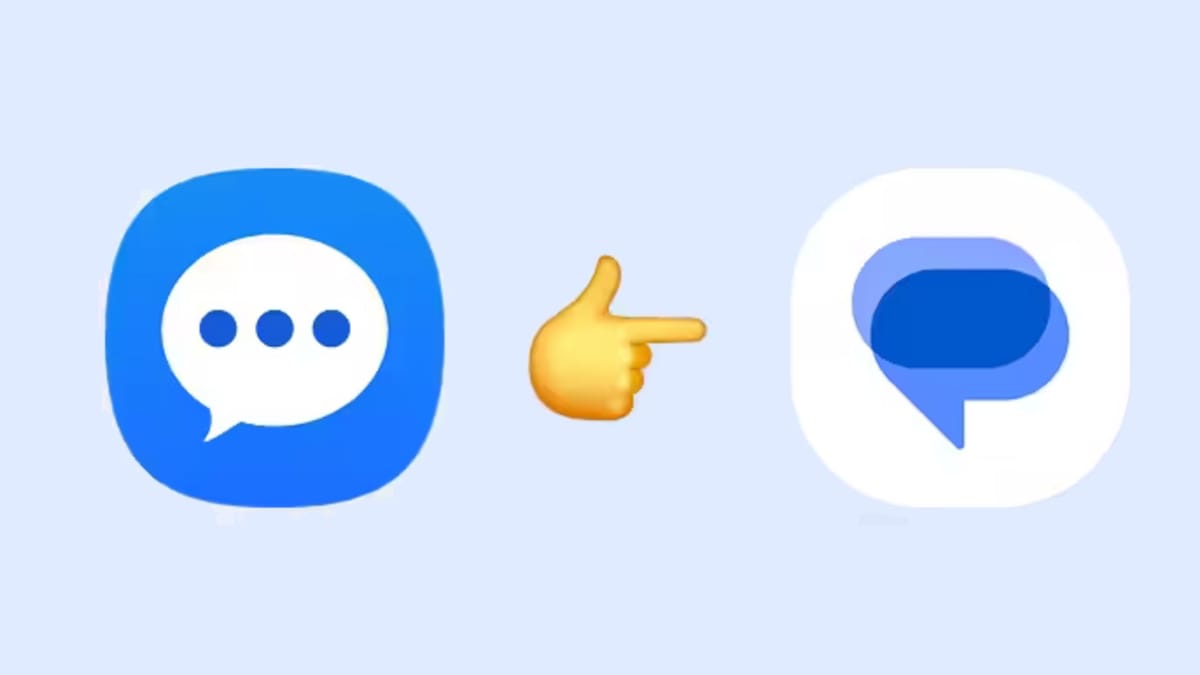
Samsung today confirmed that its built-in Samsung Messages application will be discontinued in July 2026, ending years of parallel existence alongside Google's own messaging app on Android devices. The announcement, published on the official Samsung US support page and quickly picked up on the r/samsung community, marks the end of a long-running duplication that has frustrated many Galaxy device owners - and signals a deeper consolidation of the Android software ecosystem around Google's own tools.
The exact shutdown date within July 2026 has not been specified. According to Samsung's announcement, users should "check the Samsung Messages app for the exact date when service will be discontinued."
The distinction matters. Samsung is not shutting down SMS or text messaging on its devices. The company is discontinuing the Samsung Messages application itself. After the shutdown date, sending messages through Samsung Messages will no longer be possible, with a narrow exception: emergency service numbers and emergency contacts defined on the device will remain accessible.
The practical consequence is that all Samsung users on Android 12 and above will need to use Google Messages as their default SMS and RCS application instead. Users running Android 11 or lower are not affected by this change.
For devices released before 2022, there is an additional caveat. According to Samsung's documentation, switching messaging applications on those older devices may temporarily disrupt ongoing RCS conversations. RCS - Rich Communication Services - is the modern successor to SMS that enables features like read receipts, typing indicators, and high-quality media sharing. Standard SMS and MMS messaging will remain unaffected during any disruption period, and RCS conversations can resume once both parties are using Google Messages.
Owners of the Galaxy S26 and newer devices face a harder cut-off. According to the official Samsung page, those users cannot download the Samsung Messages app from the Galaxy Store at all. For all other devices, the Galaxy Store download option for Samsung Messages will close after the July 2026 discontinuation date.
Samsung's announcement positions Google Messages as an upgrade across four specific areas. The first is security: Google Messages includes AI-powered scam detection and spam filters designed to identify suspicious texts and block them before they reach the main inbox.
The second is RCS Messaging. With RCS now enabled across both Android and iOS - Apple introduced RCS support in iOS 18 - users can share high-quality photos and videos, participate in enhanced group chats, and see real-time typing indicators. According to Samsung's documentation, all chat participants must have RCS enabled for the feature to function as intended. On Android, that means having Google Messages installed; on iOS, it requires iOS 18 or later.
Third is what Samsung describes as "Expressive AI Features" - access to Gemini-powered capabilities within the messaging interface, including photo remixing and smart replies. This connects directly to Google's broader strategy of embedding its Gemini AI assistant across Android. In July 2025, Google Gemini automatically gained access to Android phone and messaging data across millions of devices, a move that raised privacy questions at the time and demonstrated how deeply the AI assistant is being integrated into core phone functions.
The fourth area is multi-device connectivity. Google Messages allows users to switch conversations between their phone, tablet, or smartwatch without interruption - provided the watch is a Galaxy Watch4 or newer. Older Tizen OS watches, meaning those launched before the Galaxy Watch4, will not support Google Messages. After the discontinuation of Samsung Messages, those older watches will lose access to full message conversation history, though they will retain the ability to read and send text messages.
Depending on the Android OS version, some users will receive an in-app notification from Samsung Messages guiding them through the transition. For those who prefer to switch manually, the process requires opening or downloading Google Messages from the Play Store, then setting it as the default SMS app through the system prompt that appears on first launch.
For users still running Android 12 or 13, the Google Messages icon will not automatically appear in the home screen dock after the switch. Samsung's guidance outlines a four-step manual process: remove the Samsung Messages icon from the dock by long-pressing it, find the Google Messages app icon, long-press it and select "Add to Home," then drag the icon into the dock position. Android 14 and later handle this transition more seamlessly.
This discontinuation does not happen in isolation. Samsung has been navigating a complicated software relationship with Google for years - building parallel applications that often duplicate Google's own offerings, while simultaneously deepening the partnership on hardware and platform features.
The tension between Samsung's own software ambitions and Google's ecosystem has surfaced repeatedly. In April 2025, Samsung's One UI 7 update quietly replaced Google Discover with Samsung News on home screen swipe panels, a change that occurred without explicit user consent and generated significant concern among publishers and digital marketers who depend on Discover for traffic. Replacing Google Discover with a Samsung-controlled news surface was a move in one direction. Discontinuing Samsung Messages and handing the default messaging role to Google is a move in the opposite direction. The pattern suggests Samsung is making selective choices about which software surfaces it wants to own versus which it is willing to cede.
More recently, in March 2026, Google and Samsung collaborated to bring desktop windowing features to Galaxy devices through Android 16, expanding the phones' capabilities as computing platforms. The messaging consolidation fits within that same framework of deepening, if uneven, co-operation.
Meanwhile, Google has been working through its own transition on the assistant side. The company delayed Gemini's complete takeover of Google Assistant until 2026, a timeline that now intersects with the Samsung Messages shutdown window. Samsung users switching to Google Messages in July 2026 will be doing so at a moment when Google's AI layer is also reaching a new level of integration across the Android ecosystem.
The r/samsung community reaction today illustrated just how contested the decision is. Some users welcomed the move, arguing that Google Messages is simply the better application and that Samsung's habit of shipping duplicate apps - two clock apps, two calendar apps, two browsers - creates unnecessary friction. One commenter put it plainly: "I'm tired of Samsung creating apps that aren't needed."
Others were less satisfied. Several users argued that Samsung Messages offered more customization options and a design better suited to One UI. At least one user noted they had been manually downloading Samsung Messages on newer devices where it did not come pre-installed, specifically because they preferred it. The concern about Tizen OS watch compatibility also drew attention, with users noting that older watches will silently lose conversation history access without necessarily being notified.
A separate thread of concern emerged around the inability to uninstall Samsung Messages. Because it is a built-in device application, users cannot remove it themselves - only Samsung can delete it through a system update. Until that happens, the application will remain on devices taking up storage space even after it stops functioning. According to one community moderator's clarification, users can only uninstall updates to the app, not the app itself.
The shift carries implications that extend beyond individual users switching messaging apps. Samsung's device ecosystem is vast - the company is one of the world's largest smartphone manufacturers, and its advertising business spans 25 countries. The consolidation of Android messaging onto a single platform, Google Messages, concentrates a significant layer of mobile communication within Google's data infrastructure.
Google Messages is already deeply integrated with Gemini. The AI features within the app - smart replies, scam detection, photo remixing - all operate within Google's data environment. As more Samsung users migrate to Google Messages, the volume of messaging behavior data available to Google's systems increases. That data informs advertising targeting and audience modelling across Google's ad platforms.
For marketers working with Samsung's own advertising products, the transition is worth monitoring. Samsung Ads expanded its partnership with Magnite in April 2025 and extended its exclusive CTV deal with Publica in September 2025, demonstrating that Samsung's advertising business remains active and growing even as the company steps back from some of its own consumer software. The advertising ambitions are not going away - but the messaging layer is shifting to Google's infrastructure.
Samsung's Galaxy XR headset, unveiled in October 2025, is built on Android XR with Gemini AI at its core, reinforcing that Samsung's hardware future is increasingly intertwined with Google's software and AI stack. The messaging discontinuation is one more data point in that longer arc.
Several technical details from Samsung's documentation are worth highlighting for users planning the transition. Galaxy Watch4 or newer is required for Google Messages multi-device support. Older Tizen-based watches will not display full message conversation history after the switch, though basic read and send functionality remains. For pre-2022 Samsung devices, temporary RCS disruption during the transition is possible. MMS and SMS remain available throughout. Users who rely on RCS group chats should verify that all participants have transitioned to Google Messages before expecting full feature parity to resume.
Who: Samsung Electronics, affecting all Galaxy device users running Android 12 or higher globally, with particular impact on owners of devices launched before 2022 and users of older Tizen OS smartwatches.
What: Samsung is discontinuing its Samsung Messages application in July 2026. Users will need to switch to Google Messages as their default SMS and RCS application. The Galaxy S26 and newer devices already cannot download Samsung Messages from the Galaxy Store. Emergency messaging remains available through Samsung Messages until the shutdown date.
When: The announcement was made on April 5, 2026. The discontinuation is scheduled for July 2026, with the exact date available inside the Samsung Messages app itself.
Where: The change affects Samsung devices globally running Android 12 or higher. The Samsung US support page published the official end-of-service announcement. The r/samsung Reddit community surfaced the announcement earlier today.
Why: Samsung is consolidating its default messaging experience around Google Messages, citing four specific advantages: AI-powered scam detection, full RCS compatibility across Android and iOS, Gemini AI features including smart replies and photo remixing, and multi-device connectivity. The decision reflects a broader pattern of Samsung stepping back from duplicate applications while deepening its platform partnership with Google.