YouTube's TV interface gets its first major makeover in years
YouTube redesigns television playback interface with repositioned controls, new description button, and improved subscriber experience across TV screens.


YouTube redesigns television playback interface with repositioned controls, new description button, and improved subscriber experience across TV screens.
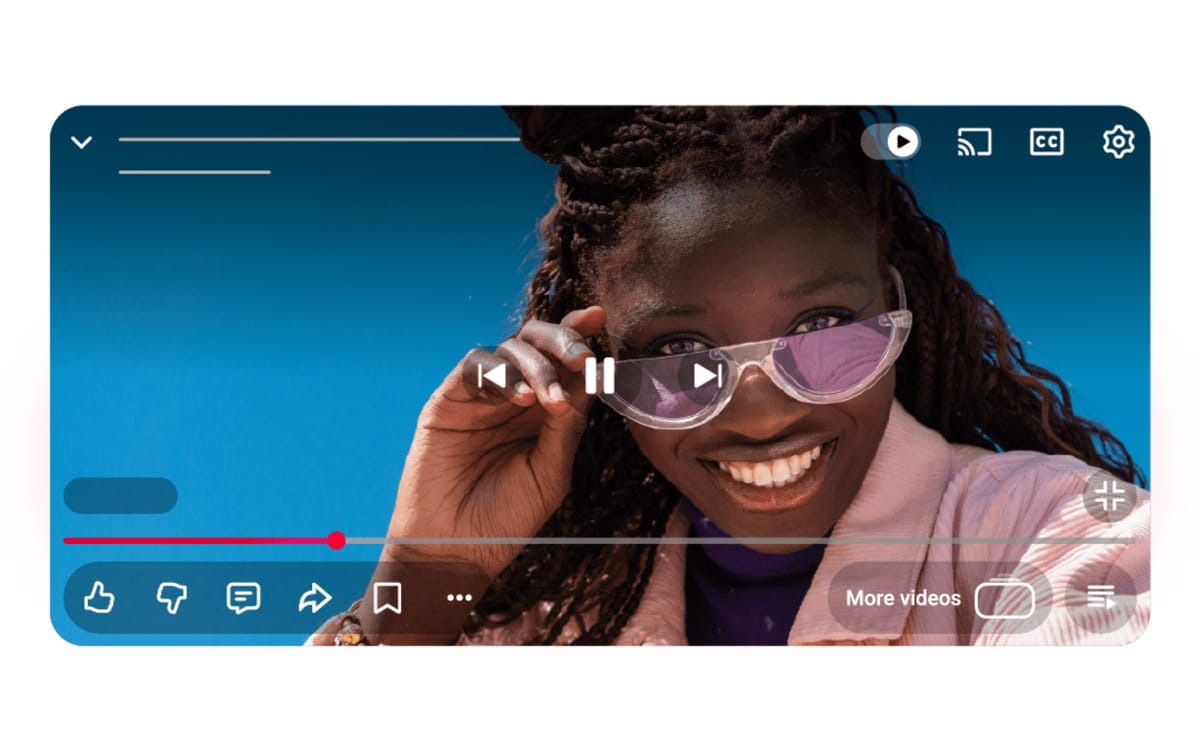
YouTube unveiled a comprehensive redesign of its television viewing interface on December 16, 2025, marking the platform's most significant update to TV playback controls in recent years. The changes affect how viewers interact with video content on television screens, introducing reorganized command structures and new engagement features designed to reduce interruptions while making creator interaction more accessible.
Jean-Baptiste, community manager for YouTube, announced the interface modifications through the platform's official community channels. "We are pleased to announce that we have redesigned the appearance of the YouTube playback page on televisions," Jean-Baptiste stated in the announcement. The update delivers what the platform describes as a more fluid and intuitive experience with simplified navigation, better control accessibility, and fewer viewing disruptions.
Subscribe PPC Land newsletter ✉️ for similar stories like this one
The redesigned interface fundamentally changes how video information and controls appear on television screens. Video titles moved to the top left of the player area and no longer function as clickable elements. This repositioning separates titles from interactive controls, addressing previous interface confusion where viewers accidentally triggered actions while attempting to read video information. The non-clickable title design aligns with interface patterns that distinguish static information from actionable elements.
Command structures received complete reorganization under the video playback bar. YouTube grouped controls into three distinct sections, each serving specific interaction purposes. The left section displays channel information, video description access, and the subscribe button. Center controls contain the standard playback functions including previous, pause, and next buttons. The right section houses engagement and customization tools including like, dislike, comment, save, subtitle, and settings buttons.
A new description button replaces the previous clickable title system for accessing video metadata. The button provides access to complete video information including creator details, full descriptions, and comment sections. This implementation addresses navigation challenges that emerged when viewers needed to access detailed information without disrupting playback or accidentally triggering unwanted actions through misplaced clicks on title areas.
The subscribe button underwent enhancement to adapt to different content types and viewing contexts. The button remains permanently visible during standard video playback but adjusts its functionality for premium content and upcoming live broadcasts. For scheduled live streams, the button transforms into a notification option, allowing viewers to set reminders for future events. This adaptive approach reflects YouTube's expansion beyond on-demand content into live programming where scheduling awareness carries significant value for audience building.
Engagement features received increased visibility throughout the redesigned interface. YouTube positioned interaction buttons more prominently to encourage viewer participation with creators through likes, comments, and saves. The platform stated that engagement functions "are also more accessible and visible, which allows fans to interact more easily with their favorite channels." This design philosophy prioritizes creator-viewer relationships as central platform experiences rather than secondary features.
New functionality emerged for specific content categories and subscriber types. Sports event viewers will encounter a multiview button during live broadcasts, enabling simultaneous viewing of multiple camera angles or game feeds. This feature addresses Connected TV's growing role in sports content consumption, where watch time increased 30% year-over-year according to previous platform disclosures.
Buy ads on PPC Land. PPC Land has standard and native ad formats via major DSPs and ad platforms like Google Ads. Via an auction CPM, you can reach industry professionals.
Music and Premium subscribers gained display mode selection capabilities through the updated interface. These customization options allow paying subscribers to optimize viewing experiences for different content types and viewing preferences. The differentiated functionality reflects YouTube's strategy of providing enhanced features to premium tier subscribers while maintaining core viewing experiences for all users.
The television interface updates arrive amid sustained platform investment in Connected TV experiences. YouTube maintained the number one streaming platform ranking for 17 consecutive months as of July 2024, according to Nielsen data shared during Alphabet earnings discussions. Television screens represent YouTube's fastest-growing viewing surface, with Connected TV views increasing by more than 130% over the prior three years.
Interface standardization matters significantly for advertising effectiveness on Connected TV platforms. The redesigned controls affect how viewers perceive and interact with both content and advertisements during television sessions. YouTube introduced 30-second and 60-second non-skippable ads on YouTube Select and YouTube TV in May 2024, creating longer advertising formats that depend on viewer engagement during extended playback sessions.
Premium inventory quality on television screens attracts advertiser investment. Research from TVision demonstrated that Kargo's CTV campaigns measured 78% more effective at keeping viewers engaged compared to industry benchmarks, highlighting how attention quality varies significantly across different streaming environments and creative formats. Interface clarity during ad breaks influences these attention metrics by affecting viewer focus and engagement patterns.
YouTube's television strategy extends beyond interface modifications to comprehensive feature development. The platform launched AI upscaling technology in October 2025, automatically enhancing videos below 1080p resolution to HD quality on television displays. That initiative demonstrated YouTube's commitment to optimizing catalog content for large-screen viewing without requiring creator intervention or remastering efforts.
Creator monetization on television screens depends partially on viewer experience quality. The platform achieved revenue parity between Shorts and traditional video formats in the United States during the third quarter of 2025, according to earnings disclosures. Television viewing contributes significantly to traditional long-form content consumption that drives advertising revenue and Premium subscription value.
The reorganized interface reflects broader industry patterns in Connected TV development. Streaming platforms increasingly prioritize user experience refinements that reduce friction while encouraging engagement with content and creator channels. YouTube unveiled redesigned video player and engagement features across mobile, web, and television devices in October 2025, demonstrating coordinated interface improvements spanning multiple viewing surfaces.
Platform investment in television interfaces aligns with advertising ecosystem evolution. YouTube introduced specialized activation partners in October 2025, connecting advertisers with third-party experts for campaign optimization across YouTube's advertising infrastructure including Connected TV placements. Channel Factory, MiQ Digital, Pixability, and Zefr received designation in the inaugural partner roster, each offering specialized capabilities for contextual targeting, audience intelligence, and performance optimization.
Connected TV advertising measurement continues advancing alongside interface improvements. YouTube launched brand pulse reports in October 2025, using artificial intelligence to connect paid advertising performance with organic video content engagement. That measurement infrastructure helps brands understand how television advertising drives both immediate conversions and longer-term brand awareness through creator content and community interactions.
The television interface redesign carries implications for marketing professionals utilizing YouTube for video advertising campaigns. Interface changes affecting viewer navigation and engagement directly impact advertising performance metrics including view completion rates, click-through behavior, and post-advertisement actions. Cleaner, less cluttered interface designs potentially reduce viewer frustration during ad breaks, improving brand perception and reducing likelihood of abandonment.
Quality improvements for television viewing support YouTube's positioning against traditional broadcast and cable competitors. Industry research from EDO's 2025 NFL TV Outcomes Report found that YouTube advertisements during streaming-exclusive games were 66% more effective for brands than broadcast and cable offerings. That effectiveness advantage stems from streaming platforms' technical capabilities including real-time targeting, dynamic ad insertion, and immediate conversion tracking that traditional television infrastructure cannot match.
Television screen optimization reflects fundamental shifts in video consumption patterns. Average American households accessed 4.2 streaming applications during the second quarter of 2025, with YouTube leading time spent at 21% of total streaming consumption according to Nielsen data. This multi-platform landscape creates measurement challenges requiring sophisticated attention analytics for accurate campaign performance evaluation across different viewing environments.
The French-language announcement demonstrates YouTube's global approach to interface standardization while respecting regional communication preferences. Major platform modifications typically roll out simultaneously across markets to ensure consistent user experiences and simplified technical support. Regional community managers communicate changes in local languages while maintaining identical feature implementations globally.
Navigation simplification addresses long-standing challenges in television interface design where remote control limitations constrain interaction possibilities compared to touchscreen or mouse-based environments. Television viewers rely on directional navigation between discrete interface elements rather than precise cursor positioning. The reorganized three-section command structure creates logical grouping that simplifies remote control navigation patterns and reduces the number of button presses required to access common functions.
YouTube's emphasis on television features throughout 2025 reflects strategic priorities around Connected TV monetization and viewer retention. The platform's ability to deliver both short-form Shorts content and long-form traditional videos positions it uniquely against dedicated streaming services that focus exclusively on produced content or social platforms that prioritize mobile experiences.
Interface modifications require technical implementation across diverse television hardware including smart TVs, streaming devices, gaming consoles, and set-top boxes. YouTube maintains compatibility across hundreds of device types while ensuring consistent experiences. This technical complexity explains phased rollout approaches where major interface changes appear gradually across different hardware platforms and geographic regions.
The announcement generated minimal public commentary compared to previous algorithm modifications that affected content recommendation and creator viewership. YouTube creators reported significant view drops in August 2025 following undisclosed platform changes, sparking extensive creator concern about algorithm transparency. Interface improvements generally receive more positive reception than backend system modifications that affect content distribution.
Creator benefits from enhanced subscriber visibility extend beyond individual video sessions. The permanently visible subscribe button creates constant conversion opportunities throughout viewing sessions rather than limiting subscription prompts to specific moments. This persistent presence potentially increases subscription rates by reducing friction between viewer interest and subscription action, supporting creator audience growth and long-term channel development.
Comment visibility improvements address creator requests for stronger community features on television platforms. YouTube expanded Communities to desktop in October 2025, creating dedicated spaces for creator-audience interactions beyond traditional video comments. The television interface updates complement these community-building initiatives by making comment access more straightforward during television viewing sessions.
The description button implementation provides technical foundation for future feature additions. YouTube could potentially integrate shopping functionality, chapter navigation, or related content suggestions through the description interface without requiring additional interface elements. This flexible architecture supports platform evolution while maintaining consistent navigation patterns that viewers learn once and apply across feature updates.
Premium content differentiation through adaptive subscribe button behavior demonstrates YouTube's platform segmentation strategy. The system recognizes content type and viewer status to present contextually appropriate actions. For premium content requiring payment, the button adjusts to reflect purchase or subscription requirements rather than standard channel following. This intelligent adaptation reduces confusion and streamlines conversion paths for different content monetization models.
Television advertising reached new scale milestones in 2025, with Connected TV advertising representing the fastest-growing channel as 56% of global marketers planned increased CTV spending according to industry research. YouTube's interface improvements support this advertising growth by enhancing viewer experiences that encourage session duration and platform engagement, both critical metrics for advertising inventory value and campaign performance.
Subscribe PPC Land newsletter ✉️ for similar stories like this one
Subscribe PPC Land newsletter ✉️ for similar stories like this one
Who: YouTube, owned by Alphabet, announced the television interface redesign through community manager Jean-Baptiste. The changes affect billions of monthly YouTube viewers watching content on television screens, content creators utilizing the platform for audience building, and advertisers running campaigns across YouTube's Connected TV inventory.
What: YouTube redesigned its television playback interface with reorganized controls grouped into three sections (channel information/subscribe on left, playback controls in center, engagement/settings on right), repositioned non-clickable video titles, new description button replacing clickable title access, adaptive subscribe button adjusting for premium content and live broadcasts, multiview functionality for sports events, and display mode options for Music and Premium subscribers.
When: The announcement occurred on December 16, 2025, through YouTube's official community channels, with the features rolling out to television viewing surfaces across the platform's global user base.
Where: The interface modifications apply exclusively to YouTube's television viewing experiences across smart TVs, streaming devices, gaming consoles, and set-top boxes globally. The changes do not affect mobile, web, or desktop interfaces, which operate separate design systems optimized for their respective interaction patterns.
Why: YouTube redesigned the television interface to provide what the platform describes as more fluid and intuitive experiences with simplified navigation, better control accessibility, and fewer viewing interruptions. The changes support YouTube's strategic focus on Connected TV as its fastest-growing viewing surface while improving engagement feature visibility to strengthen creator-viewer relationships and potentially increasing advertising effectiveness through enhanced user experiences.