Google confirms comment spam can't hurt your rankings
John Mueller states spammers dropping links in comments have zero ranking impact as Google's systems ignore these attempts at manipulation entirely.


John Mueller states spammers dropping links in comments have zero ranking impact as Google's systems ignore these attempts at manipulation entirely.
Google's John Mueller yesterday dismissed longstanding fears about comment spam damaging search rankings. "These links all have no effect - they're from spammers dropping links into comments," Mueller stated on Bluesky on January 18, 2026. "These would not have any effect, positive nor negative, on your site."
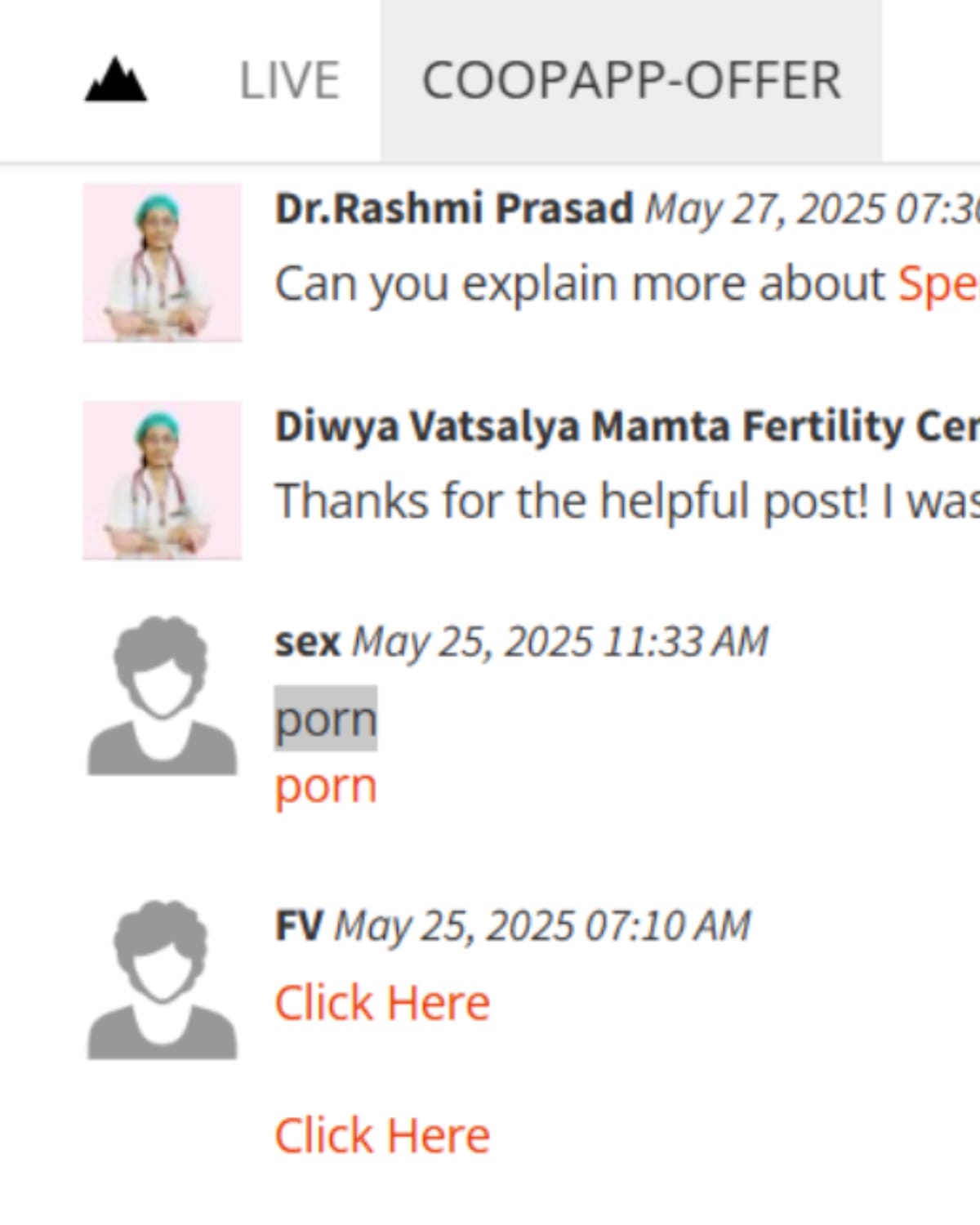
The clarification came after a website owner managing an IVF clinic expressed concern about pornographic anchor text appearing in blog comment sections. The anxious site administrator had already contacted the hosting website owner, disavowed the links through Google Search Console, and watched as traffic continued declining despite these remediation efforts.
Mueller's statement directly addresses a widespread misconception driving unnecessary resource allocation across the search marketing industry. Website owners frequently invest significant time monitoring backlink profiles, submitting disavow files, and attempting to remove comment spam based on unfounded fears about ranking impacts. The search advocate's explicit confirmation that such links have "no effect, positive nor negative" challenges operational assumptions that have persisted for years.
Comment spam represents one of the internet's most persistent nuisances. Automated systems and manual spammers drop links into comment sections, forum posts, and user-generated content areas across millions of websites. These spam comments typically include commercial anchor text, promotional language, and links to unrelated websites seeking to benefit from perceived SEO value or direct traffic.
The practice emerged during blogging's early days when content management systems introduced comment functionality without sophisticated spam detection. Spammers quickly recognized the opportunity to place links across vast numbers of websites through automated submission tools. This led to an arms race between spam detection systems and increasingly sophisticated spam generation techniques.
Google's algorithms have improved substantially over the past decade at identifying and neutralizing comment spam without requiring manual intervention from website owners. The company's SpamBrain AI deployment beginning in late 2022 represented a fundamental shift in detection capabilities, enabling machine learning systems to identify patterns across millions of sites simultaneously rather than relying on manual review or rule-based detection.
The technical mechanics demonstrate why comment spam doesn't influence rankings. Google's systems can distinguish between editorial links that site owners deliberately place within content and user-generated links that appear in comment sections. Spam detection algorithms identify the patterns, volume, and characteristics that separate legitimate engagement from manipulation attempts.
This capability renders much of the manual link cleanup work unnecessary. Website owners who discover comment spam pointing to their domains don't need to take action in most cases. The algorithms handling these situations operate independently of whether site owners submit disavow files or contact webmasters requesting link removal.
The disavow tool itself faces uncertain future, with Mueller stating in May 2024 that "at some point, I'm sure we'll remove it." The tool remains available for situations where manual penalties have been applied due to link spam, but Google's algorithmic sophistication has reduced the scenarios requiring manual intervention.
The distinction between correlation and causation proves critical when website owners notice comment spam appearing around the same time traffic begins declining. This timing coincidence doesn't indicate causal relationships. The visible nature of spam links makes them convenient scapegoats for traffic problems with more complex underlying causes.
Traffic declines stem from various factors including algorithm updates, competitive landscape changes, content quality assessments, and user behavior shifts. Google's December 2025 core update brought substantial ranking volatility, with some website operators reporting traffic declines ranging from 70-85 percent. These dramatic shifts result from algorithmic adjustments evaluating content quality and user satisfaction rather than comment spam in third-party blog sections.
For the IVF clinic website owner who contacted Mueller, the comment spam wasn't causing ranking problems. The traffic decline more likely resulted from broader algorithmic changes affecting how Google evaluates content quality and user experience. Sites experienced penalties throughout 2024-2025 for optimization work that succeeded just years earlier.
The resource implications of chasing phantom ranking factors extend beyond wasted time. Teams monitoring for negative SEO attacks through comment spam, obsessively cleaning backlink profiles, and submitting disavow files could redirect those resources toward content quality improvements, user experience enhancements, and technical infrastructure optimization that actually influences rankings.
Mueller has consistently pushed back against formulaic approaches to search optimization. In December 2025, Mueller endorsed an article describing most SEO content as "digital mulch" existing solely to "fill space, hit metrics, and appease the gods of Google." That endorsement signaled Google's preference for content created primarily for users rather than algorithmic satisfaction.
The fear of negative SEO through comment spam represents a specific subset of broader anxiety about malicious competitors damaging search rankings through external manipulation. This concern intensified during periods when Google's link evaluation systems proved less sophisticated at distinguishing deliberate manipulation from organic linking patterns.
Historical context matters for understanding why these fears developed. The 2012 Penguin update targeted sites with manipulative link profiles, creating legitimate concerns about link-based penalties. However, the systems evaluating links have advanced substantially since then, with algorithmic improvements enabling more nuanced assessment of link quality and context.
The broader spam update ecosystem has shifted focus over recent years. Google's August 2025 spam update targeted spam violations globally, with the rollout spanning 27 days. That update addressed site reputation abuse, expired domain abuse, and AI-generated content policies rather than traditional comment spam concerns. The emphasis on newer manipulation techniques reflects how spam tactics have adapted to technological changes.
Marketing professionals face genuine challenges distinguishing legitimate optimization practices from tactics that might trigger spam detection systems. The complexity has increased as Google introduced multiple simultaneous ranking systems, AI Overviews affecting click-through rates, and continuous algorithm volatility.
Mueller's communication style favors direct clarification over diplomatic ambiguity, particularly when addressing widespread misconceptions. The search advocate's willingness to explicitly state that comment spam links have "no effect" provides clearer guidance than carefully worded statements that preserve plausible deniability or leave room for interpretation.
The timing of Mueller's clarification proves significant given ongoing industry discussions about measurement reliability. Technical SEO practices that generated strong results between 2018 and 2022 became actively harmful by 2024-2025. Tactics including aggressive content scaling, programmatic SEO, and purchased backlink strategies triggered detection systems that previously rewarded such approaches.
The challenge for marketing professionals involves determining which ranking factors matter versus which represent phantom concerns consuming resources without influencing outcomes. Comment spam from third-party websites falls firmly in the latter category according to Mueller's explicit confirmation.
Website owners experiencing traffic declines should focus on comprehensive analysis rather than fixating on individual ranking factors like comment spam. Recovery from algorithm penalties presents significant challenges, with sites affected by the September 2023 Helpful Content Update experiencing nearly two years of suppressed visibility before partial recoveries began appearing during mid-2025 updates.
For practitioners navigating these challenges, Mueller's guidance suggests prioritizing fundamentals over phantom concerns. Creating content that genuinely serves user needs, maintaining technical best practices, and focusing on measurable business outcomes provides more reliable paths to sustainable search performance than worrying about spam links dropped by third parties in comment sections.
The explicit nature of Mueller's statement eliminates ambiguity that previously allowed continued belief in comment spam's potential impact. "No effect, positive nor negative" leaves no room for interpretation suggesting these links might carry subtle ranking influence that website owners should address through disavow submissions or webmaster outreach.
This clarity helps marketing teams allocate resources appropriately. Rather than monitoring for comment spam attacks, teams can focus on factors that actually influence rankings including content quality, user experience, technical implementation, and genuine link building through relationship development and content promotion.
The conversation also highlighted another common misconception when the website owner mentioned high spam scores from SEO tools. Mueller addressed this separately, stating "scores like that are made up by SEO tools - they're not used by Google." This dual clarification tackles both the specific concern about comment spam and the broader issue of proprietary metrics that don't reflect actual ranking criteria.
Who: John Mueller, Google's Senior Search Analyst and Search Relations team lead, addressed concerns from a website owner managing an IVF clinic worried about pornographic anchor text appearing in comment sections on third-party websites.
What: Mueller confirmed that comment spam links dropped by spammers have absolutely no effect on search rankings, neither positive nor negative. The statement explicitly contradicted widespread fears driving unnecessary resource allocation toward link cleanup, disavow file submissions, and webmaster outreach attempts.
When: The exchange occurred on January 18, 2026, with Mueller's response posted at 09:25 on Bluesky. The clarification arrived during a period of significant ranking volatility following Google's December 2025 core update that devastated traffic for many publishers.
Where: The conversation took place on Bluesky social media platform, where Mueller maintains active engagement with the search marketing community. The guidance applies globally to all websites experiencing similar comment spam concerns across any content management system or blogging platform.
Why: The clarification addresses persistent misconceptions causing website owners to waste resources on ineffective remediation efforts. Mueller's statement helps marketing professionals focus on factors that actually influence search performance rather than phantom concerns about third-party comment spam that Google's systems already ignore completely.