
Marketers plan email resurgence amid AI adoption and podcast growth
Survey of 100 business leaders reveals 65% will reinvest in email marketing while 97% report AI impact on performance. Retail media networks reach 70% adoption.

Survey of 100 business leaders reveals 65% will reinvest in email marketing while 97% report AI impact on performance. Retail media networks reach 70% adoption.
Brands plan substantial shifts toward direct customer engagement channels in 2026, with email marketing experiencing renewed investment alongside widespread artificial intelligence integration across marketing operations. Research released in late 2025 surveyed 100 senior business leaders across retail, direct-to-consumer brands, and B2B companies about their strategic priorities for the coming year.
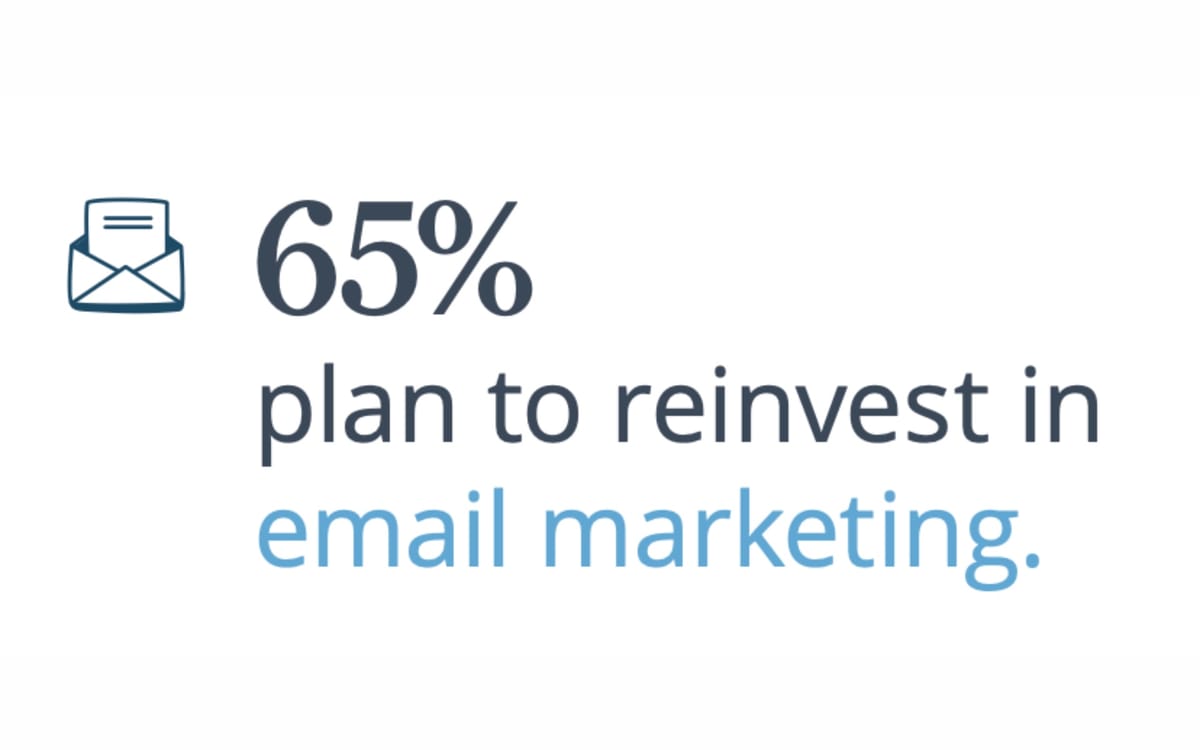
According to the findings, 65% of organizations plan to reinvest in email marketing as a reliable owned channel. This marks a reversal from years of declining focus on email as brands chase newer platforms. The shift comes as marketers seek greater control over customer relationships amid platform consolidation and rising costs across paid channels.
Nearly all respondents—97%—reported that artificial intelligence had an impact on their marketing performance in 2025. Among those, 76% described the impact as "somewhat significant," while 21% characterized it as "very significant." Only 3% indicated AI had minimal or no impact on their marketing efforts. These figures demonstrate that AI has established itself as critical marketing infrastructure, transforming how organizations approach campaign execution.
Subscribe PPC Land newsletter ✉️ for similar stories like this one
The research examined which marketing channels delivered the strongest performance through 2025. Organic social media marketing topped the list at 35%, followed closely by customer loyalty programs at 34% and SMS or text messaging at 32%. Email marketing placed fourth at 31%, demonstrating that multiple direct engagement channels performed comparably well.
This tight competition across owned channels suggests marketers are finding success through diversification rather than concentrating resources on a single approach. Legacy channels showed weaker performance, with company websites and blogs performing well for only 13% of respondents. Owned podcasts and webinars registered as top performers for just 3% of organizations.
The data reveals a complex environment where multiple touchpoints warrant investment, but no single owned channel dominates. Physical locations and in-store experiences proved effective for 24% of respondents, while mobile apps performed well for 28% of organizations.
When examining paid marketing channels, search and display advertising tied with programmatic display advertising as the top two performers, each selected by 38% of respondents. Retail media network advertising followed closely at 36%, demonstrating the rapid rise of these platforms within advertiser strategies.
Social media advertising reached 28% of respondents as a top performer, while audio and podcast advertising registered at 23%. Influencer partnerships and affiliate marketing programs showed lower performance at 19% and 18%, respectively.
The relatively high showing for retail media networks reflects sustained growth across this channel. Current adoption stands at 70% among survey participants, indicating these platforms have moved from experimental tactics to established infrastructure. Retail media is projected to capture approximately 20% of global advertising revenue by 2030, representing approximately $300 billion in spending.
Connected television advertising showed particularly strong momentum through 2025. More than half of respondents—52%—increased their CTV investment somewhat during the year, with another 2% making significant increases. The remaining 46% maintained their previous spending levels, suggesting no organizations reduced CTV budgets.
Organizations cited specific drivers for these increases. Nearly half—49%—identified reaching audiences on streaming platforms as their primary motivation, while 48% emphasized integration with other digital channels. These priorities reflect the fundamental shift in viewing patterns as consumers abandon traditional television for streaming services.
Lower cost per impression attracted 32% of respondents, while 28% highlighted measurable ROI and attribution capabilities. Targeting capabilities mattered to 25% of organizations, with privacy-compliant audience targeting drawing interest from 18%.
Current usage patterns for marketing channels revealed widespread adoption across multiple approaches. Beyond the 70% using retail media networks, 57% currently deploy interactive and shoppable content alongside digital out-of-home advertising. Voice search optimization reached 56% adoption, matching in-app advertising and exceeding the 54% currently using connected television advertising.
Podcast advertising showed an unusual pattern: only 22% currently use the channel, yet 78% see third-party podcasts as a significant opportunity for 2026. This represents the largest gap between current adoption and perceived future value among all channels examined.
The disconnect likely reflects podcast advertising's maturation as a performance channel. Recent industry data shows podcast advertising spending increased 26% year-over-year in the third quarter of 2025, with nearly 1,700 brands testing the channel for the first time. Despite this growth, a persistent gap remains between consumer audio engagement—which represents 31% of media time—and advertiser investment at just 9% of budgets.
Live commerce and social selling reached 52% adoption among respondents, while AI-powered creative generation stood at 44%. Web3 and metaverse marketing applications remained limited, with 43% currently experimenting with these approaches.
Among respondents reporting AI impact on marketing performance, specific benefits emerged across multiple dimensions. Better audience targeting and personalization led adoption at 59%, tied with faster time-to-market for campaigns. Security and fraud detection improvements reached 56% of organizations benefiting from AI implementation.
Increased customer engagement and retention affected 54% of adopters, while 53% experienced more responsive, real-time campaign adjustments. Nearly half—49%—reported faster content and marketing asset generation through AI capabilities. Marketing ROI improvements reached 37% of organizations, with 30% achieving reduced marketing costs.
These benefits reflect AI's integration across fundamental marketing operations, though a gap persists between adoption intentions and implementation confidence. Recent research shows 72% of marketers plan to apply AI in more ways during the next 12 months, yet only 45% feel confident in their ability to apply it successfully.
Practical implementation patterns showed chatbots and customer service automation dominating at 65% adoption. Dynamic creative generation reached 56%, while campaign performance optimization stood at 51%. Audience segmentation and targeting attracted 50% of organizations, with predictive analytics for customer behavior at 45%.
Buy ads on PPC Land. PPC Land has standard and native ad formats via major DSPs and ad platforms like Google Ads. Via an auction CPM, you can reach industry professionals.
Looking ahead to 2026, organizations signaled substantial strategic changes in their organic marketing approaches. Beyond the 65% planning email marketing reinvestment, 61% intend to focus on creating content optimized for conversational AI and voice search. This preparation reflects growing recognition that AI-powered search and assistants are fundamentally altering information discovery.
Development of owned media properties—including blogs, podcasts, newsletters, and mobile apps—attracted 57% of respondents. Meanwhile, 52% plan to shift budget from paid advertising toward organic marketing, representing a significant reallocation of resources.
Investment in community building and user-generated content drew 48% of organizations, while 41% will expand their organic social media presence. Optimization for AI-powered search engines registered at 31%, with organic influencer partnerships at 29%.
These priorities demonstrate marketers moving toward channels they control directly, reducing dependence on platform algorithms and paid placements. The emphasis on AI optimization suggests forward-thinking organizations are preparing for fundamental changes in how consumers discover information and make purchase decisions.
Despite the organic marketing emphasis, paid channel budgets showed expansion rather than contraction. Nearly half of respondents—49%—plan significant increases in search and SEM spending, with another 39% planning moderate increases. Just 1% intend to reduce search investments.
Paid social media budgets follow similar patterns, with 47% planning significant increases and 48% moderate growth. Display and programmatic advertising will see significant increases from 42% of organizations, with 40% planning moderate expansion.
Email and CRM investments will increase significantly for 41% of respondents, while 44% plan moderate growth. Content marketing budgets show 40% planning significant increases and 42% moderate expansion. These figures suggest the shift toward owned media involves enhanced investment rather than simple budget reallocation.
Video and CTV spending will rise significantly for 37% of organizations, with 40% planning moderate increases. Audio and podcast advertising shows 21% planning significant expansion and 39% moderate growth, aligning with the earlier finding that most marketers see podcasts as untapped opportunities.
Account-based marketing emerged as a growth area, with 67% of organizations planning to increase ABM investments over the next 12 months. Among these, 53% intend moderate increases while 14% plan significant expansion. The remaining 33% will maintain current ABM spending levels.
This focus on high-value account targeting reflects broader trends toward personalized engagement and direct relationship building. ABM enables organizations to concentrate resources on prospects most likely to generate substantial revenue, aligning with the overall strategic shift toward owned channels and direct customer connections.
The combination of email reinvestment, owned media development, and ABM expansion suggests marketers are constructing integrated systems for nurturing specific customer segments rather than broadcasting messages across broad audiences.
When asked to describe significant shifts expected in brand awareness strategies for 2026, respondents emphasized several themes. Many indicated plans to make marketing more relevant through contextual messaging, hyperlocal campaigns, and cross-platform presence that integrates seamlessly into daily consumer routines.
Several respondents described moving away from demographic targeting toward community-based approaches. One participant stated their organization would "stop focusing on demographics and go deeper into communities that share our values." This reflects growing recognition that shared interests and values create stronger brand connections than traditional demographic segments.
Purpose-driven branding emerged as another priority, with ethics, transparency, sustainability, and humanized brand voices central to messaging strategies. Organizations seek to build trust and maintain cultural relevance through authentic engagement rather than superficial marketing tactics.
Data security concerns appeared frequently in responses, with multiple participants emphasizing transparent communication about customer data usage. One respondent noted that "the future of brand awareness in 2026 will revolve around data privacy and trust-based marketing," describing shifting toward "more transparent and ethical marketing practices" as consumers become "increasingly wary of how their data is used."
Measurement and accountability also featured prominently. Organizations plan to leverage behavioral attribution models, data visualizations, and micro-community structures where specific teams nurture defined customer segments. This operational approach enables more granular tracking of engagement and business outcomes.
The research surveyed 100 business leaders across five seniority levels: 20% C-suite executives, 18% vice presidents, 20% department heads, 22% directors, and 20% managers. Respondents occupied roles in digital marketing (27%), demand generation (20%), paid advertising and paid media (20%), campaign strategy or management (20%), and programmatic buying (13%).
Company types included retail single-brand operations (29%), B2B companies (23%), direct-to-consumer brands (27%), and multi-brand retailers (21%). Among B2B participants, 23% operated in healthcare, with additional representation from SaaS technology and internet companies (17%), manufacturing (17%), logistics (17%), professional services (13%), and finance (13%).
At 54%, a slight majority of represented companies generate $50 million or more in annual revenue. This sample composition ensures findings reflect perspectives from organizations with substantial marketing operations and budgets.
Subscribe PPC Land newsletter ✉️ for similar stories like this one
Subscribe PPC Land newsletter ✉️ for similar stories like this one
Who: AdRoll partnered with WBR Insights to survey 100 marketing leaders from retail brands, direct-to-consumer companies, and B2B organizations. Respondents ranged from C-suite executives to managers, with roles spanning digital marketing, demand generation, and paid advertising.
What: The research examined marketing channel performance, artificial intelligence adoption, budget allocation plans, and brand strategy shifts for 2026. Key findings included 65% planning email marketing reinvestment, 97% reporting AI impact on performance, 70% currently using retail media networks, and 78% viewing third-party podcasts as significant opportunities.
When: The survey was conducted in 2025, examining performance through that year and strategic plans for 2026. Results were released in late 2025 as organizations finalize their annual planning.
Where: The study focused on marketing organizations primarily operating in North America, though 54% of participating companies generate $50 million or more in annual revenue, suggesting multinational operations. Findings apply to digital advertising ecosystems across owned, paid, and emerging channels.
Why: Organizations face multiple simultaneous pressures: platform consolidation reducing control over customer relationships, rising paid channel costs, rapid AI capability development, shifting consumer media consumption patterns, and growing demand for transparent data practices. The research aims to help marketing leaders navigate these changes by identifying which investments deliver results and which trends warrant strategic attention for 2026.