YouTube adds inline corrections feature for published videos
YouTube introduces native correction system allowing creators to add timestamped fixes to live videos through description field without re-uploading content.


YouTube introduces native correction system allowing creators to add timestamped fixes to live videos through description field without re-uploading content.
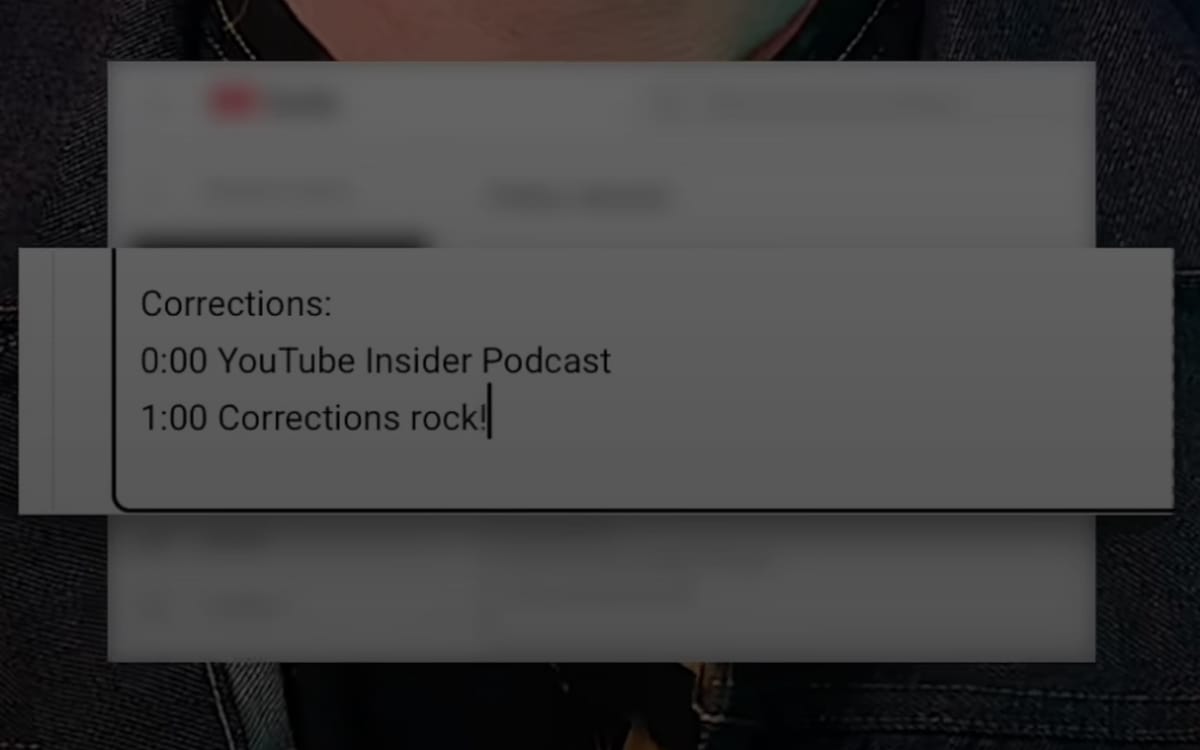
YouTube introduced a native correction system on December 10, 2025, enabling creators to add timestamped error corrections to already-published videos directly through the platform's description field. The feature addresses a longstanding creator workflow problem where factual errors required either video deletion and re-upload or reliance on pinned comments that many viewers overlook.
The announcement came through a blog post authored by Rene Ritchie, YouTube Creator Liaison, and coincided with a demonstration video posted to the YouTube Insider channel. The implementation represents YouTube's first standardized approach to post-publication error correction within its video infrastructure, providing an alternative to previous workarounds like description updates, community posts, or comment section notifications.
Subscribe PPC Land newsletter ✉️ for similar stories like this one
Creators access the correction functionality through YouTube Studio by navigating to the Content section, selecting the target video, and adding specially-formatted text to the description field. The system requires the keyword "Correction:" or "Corrections:" typed in English regardless of the creator's language settings, followed by timestamp notation matching YouTube's chapter format and explanatory text. For instance, "1:00: This happened in 2011, not 2010" creates a correction marker at the one-minute mark.
When viewers reach a timestamped correction point during playback, an information overlay appears on the video player. Clicking the overlay directs viewers to the correction entry in the description field. The system supports multiple corrections per video through additional lines with separate timestamps and explanatory text. All corrections save through YouTube Studio's standard description editing interface without requiring separate approval workflows.
The feature operates entirely through description field parsing rather than introducing new metadata fields in YouTube Studio. This implementation choice suggests YouTube prioritized rapid deployment over architectural changes to existing creator tools. The English-language requirement for the "Correction:" keyword indicates the system uses text pattern matching rather than natural language processing to identify correction entries.
Technical limitations include the requirement for manual timestamp entry matching YouTube's established chapter syntax, lack of correction preview before publication, and absence of correction-specific analytics showing how many viewers accessed correction information. The system provides no notification mechanism to alert existing viewers about newly-added corrections, relying instead on organic viewing patterns to surface the information.
The correction overlay interface uses YouTube's existing information card system, maintaining visual consistency with other in-video elements like end screens and cards. Viewers cannot dismiss or hide correction overlays once they appear at designated timestamps, though the overlays do not interrupt playback. The implementation ensures corrections remain visible without adding disruptive modal dialogs or full-screen interruptions.
YouTube's creator infrastructure has expanded considerably throughout 2024 and 2025, with the platform investing heavily in production tools and community features. The corrections feature joins a broader toolkit that includes AI-powered video generation through Veo 3 Fast integration, collaboration tagging for creator partnerships, and enhanced comment moderation capabilities.
The timing coincides with increasing scrutiny of misinformation and factual accuracy across video platforms. While YouTube maintains extensive community guidelines and fact-checking partnerships for systematic misinformation, the corrections feature addresses honest mistakes and unintentional errors rather than deliberate falsehoods. Creators retain full control over when and whether to add corrections, with no automated detection or enforcement mechanisms.
For marketing professionals and advertisers, the correction system introduces considerations around brand safety and content accuracy. Videos containing factual errors now have a standardized remediation path that maintains viewership metrics and SEO value rather than requiring video deletion. This preservation of existing engagement and algorithmic signals benefits both creators and advertisers running campaigns on creator content.
The feature particularly affects educational content creators, product reviewers, news commentators, and technical explainers where factual precision carries heightened importance. These creator categories frequently reference specifications, dates, statistics, and technical details prone to occasional errors despite thorough research and fact-checking processes. Previous correction methods like pinned comments often went unnoticed by viewers jumping directly to video content or consuming videos through embedded players on external sites.
YouTube's brand pulse report launched in October 2025 demonstrated the platform's increasing emphasis on connecting organic creator content with paid advertising performance. Corrections that maintain video integrity without deletion support this strategy by preserving organic content performance that complements paid campaigns. Advertisers collaborating with creators through BrandConnect and partnership ads gain assurance that minor errors can be addressed without disrupting campaign continuity.
The system does not currently support correction deletion or editing after publication beyond standard description field editing capabilities. Creators can remove correction entries by deleting the relevant description text, though this provides no mechanism for tracking when corrections were active or maintaining correction history. The absence of version control for corrections limits transparency around what information viewers received at different points in a video's lifecycle.
Industry response to the announcement on social media reflected broader creator frustrations with YouTube's platform policies. Many responses to the official announcement focused on account termination appeals and support system complaints rather than correction feature feedback. This pattern demonstrates persistent creator concerns about platform moderation and channel stability overshadowing feature announcements.
The corrections feature implementation raises questions about legal liability and accuracy standards. YouTube provides no guidance about when creators should add corrections versus when errors warrant video removal. The platform's existing community guidelines address misinformation but do not establish clear thresholds for correctable errors versus more serious accuracy violations requiring content removal.
Buy ads on PPC Land. PPC Land has standard and native ad formats via major DSPs and ad platforms like Google Ads. Via an auction CPM, you can reach industry professionals.
YouTube expanded Communities features in June 2025, providing dedicated engagement spaces for creator-viewer dialogue. Corrections could theoretically be communicated through Communities posts, but the dedicated correction overlay system ensures visibility during video consumption rather than requiring viewers to navigate to separate community spaces. The integrated approach prioritizes viewer notification at the moment errors appear in content.
The platform's Activation Partners program launched in October 2025 provides advertisers with specialized campaign management support from Channel Factory, MiQ Digital, Pixability, and Zefr. These partners help brands navigate YouTube's expanding feature set including placement controls, targeting options, and content suitability settings. Corrections add another dimension to content evaluation, potentially influencing advertiser confidence in creator partnerships where factual accuracy matters for brand alignment.
YouTube did not specify plans to expand correction functionality beyond the current description-based implementation. Potential enhancements could include dedicated correction fields in YouTube Studio, automated notifications to subscribers when corrections are added, correction analytics showing viewer engagement with correction overlays, or integration with YouTube's existing chapter system to surface corrections alongside timestamps in the video player interface.
The monetization implications remain unclear. YouTube clarified in November 2025 that Partner Program members who disable monetization for videos will not see ads on that content. However, the platform provided no guidance about whether adding corrections to monetized videos affects ad placement or eligibility. Advertisers running campaigns through Display & Video 360 with YouTube inventory may seek assurances about content accuracy standards for videos displaying their advertisements.
The correction system operates independently from YouTube's Content ID copyright management, third-party fact-checking partnerships, and automated spam detection systems. This separation maintains the feature as a pure creator tool without integration into YouTube's content moderation infrastructure. Creators bear sole responsibility for identifying errors and determining appropriate corrections.
YouTube's video advertising revenues reached $10.3 billion in the third quarter of 2025, with Shorts achieving revenue parity with traditional video on a per-watch-hour basis in the United States. The platform's continued revenue growth depends partly on creator confidence in tools that maintain content quality and viewer trust. Corrections that preserve video performance while addressing errors support this ecosystem health.
The feature announcement generated minimal traditional media coverage compared to YouTube's major product launches involving AI generation capabilities or advertising innovations. This lower-profile rollout suggests YouTube views corrections as incremental improvement to existing creator workflows rather than transformative platform change. The blog post format and single demonstration video contrast with major announcements typically delivered through YouTube's annual Made on YouTube events or NewFront advertising presentations.
Creator adoption patterns will determine whether the correction system becomes standard practice or remains underutilized like some optional YouTube features. The manual nature of correction entry, lack of automated error detection, and absence of correction prompts in YouTube Studio may limit uptake compared to features more prominently surfaced in creator interfaces. YouTube Analytics does not currently track correction usage, preventing the platform from measuring adoption rates or identifying high-performing correction implementations.
For advertisers evaluating YouTube creator partnerships, the correction feature provides one indicator of creator professionalism and commitment to accuracy. Creators who proactively add corrections when errors occur demonstrate editorial standards that may align better with brand safety requirements. However, frequent corrections could also signal inadequate pre-publication review processes or rushed content production incompatible with quality-focused brand partnerships.
The implementation mirrors correction approaches used in traditional media where news organizations append corrections to online articles and newspapers print correction notices. YouTube's adoption of this editorial standard for video content acknowledges creator responsibility for factual accuracy while providing practical tools for remediation. The approach differs from platforms like TikTok and Instagram Reels that lack comparable built-in correction mechanisms, instead relying on content deletion and re-upload for error fixes.
YouTube indicated corrections save to the description field immediately upon selection of the save button in YouTube Studio. No approval delay or review process applies before corrections become visible to viewers. This instantaneous publication matches YouTube's general approach to description edits but contrasts with features like thumbnail changes that may undergo delayed processing before becoming active.
The correction keyword requirement using English regardless of creator language settings suggests technical limitations in YouTube's description parsing systems. Supporting correction keywords across all platform languages would require pattern matching for dozens of language variants. The English-only requirement simplifies implementation but creates accessibility barriers for creators operating exclusively in non-English languages who may find the requirement counterintuitive.
Subscribe PPC Land newsletter ✉️ for similar stories like this one
Subscribe PPC Land newsletter ✉️ for similar stories like this one
Who: YouTube Creator Liaison Rene Ritchie announced the correction feature affecting the platform's 3 million monetized channels in the Partner Program, billions of viewers globally, and advertisers running campaigns on creator content through Display & Video 360 and direct partnerships.
What: YouTube introduced a native correction system enabling creators to add timestamped error fixes to already-published videos through specially-formatted description field entries. The feature displays information overlays when viewers reach corrected timestamps, directing them to explanatory text without requiring video re-upload or deletion.
When: YouTube announced the correction feature on December 10, 2025, through a blog post and demonstration video, with immediate availability for all creators with access to YouTube Studio's description editing functionality across the platform's global reach.
Where: The correction system operates through YouTube Studio's Content section and description field editing interface, with correction overlays appearing in the video player across all device types including desktop computers, mobile applications, smart televisions, and embedded players on external websites.
Why: The feature addresses creator workflow challenges where factual errors previously required video deletion and re-upload, sacrificing accumulated viewership, engagement metrics, search rankings, and advertising revenue. Corrections maintain video performance while addressing accuracy concerns important for viewer trust, advertiser confidence, and creator credibility in educational, review, news, and technical content categories.