Google opens NBCUniversal's Winter Olympics inventory to programmatic ads
Google Display & Video 360 adds NBCUniversal Olympic Winter Games programmatic inventory with AI conversion tracking and household frequency controls.


Google Display & Video 360 adds NBCUniversal Olympic Winter Games programmatic inventory with AI conversion tracking and household frequency controls.
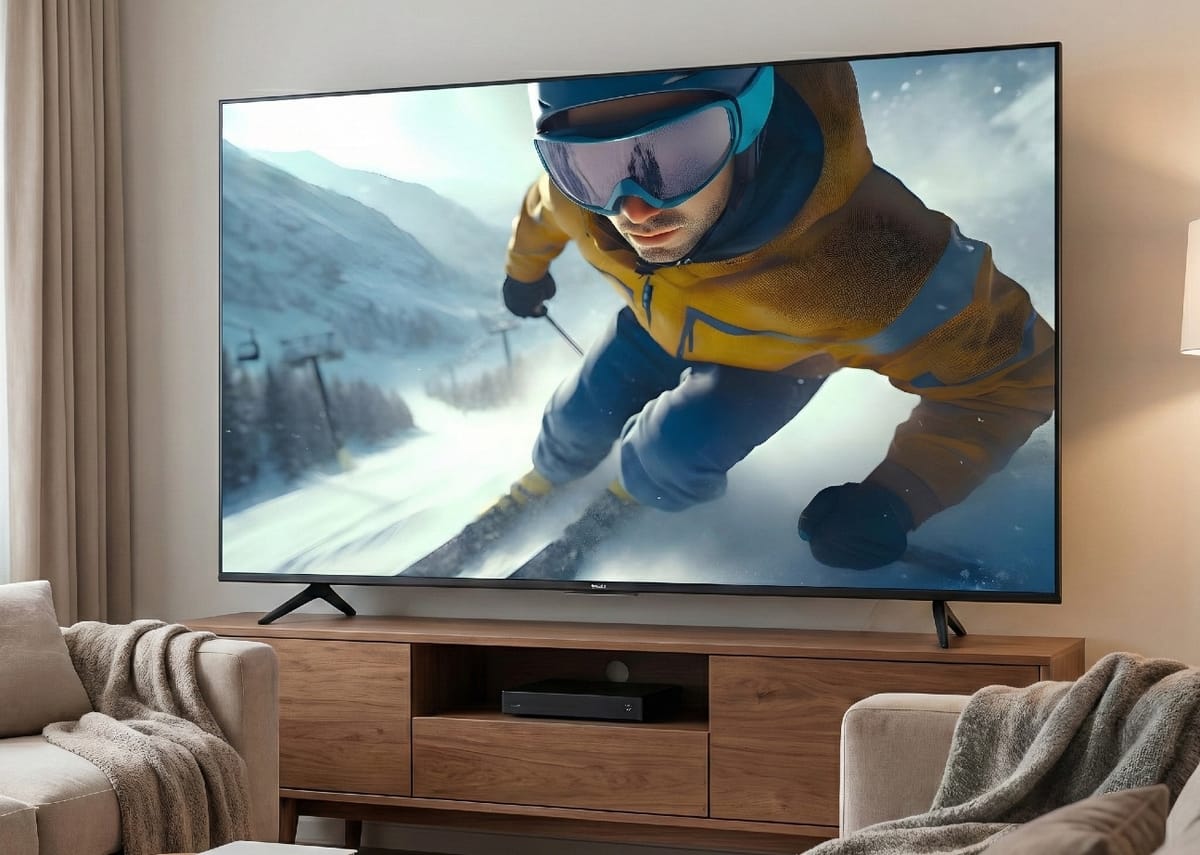
Google announced programmatic access to NBCUniversal's Olympic Winter Games inventory through Display & Video 360 on January 12, 2026, introducing live sports advertising capabilities designed to connect brands with audiences during peak viewership moments. The announcement from Marta Martinez, Managing Director for Americas at Google Marketing Platform, positions the platform's biddable features alongside one of the year's highest-profile sporting events.
The 2026 calendar presents substantial opportunities for brands to reach live sports audiences across multiple platforms. Fans stream matches on connected television devices, scroll through tournament highlights on YouTube Shorts, and search for athletes' gear on Google Search. The Olympic Winter Games programmatic inventory becomes available in February 2026 as competitors take to winter sports venues.
Display & Video 360's updated features address technical challenges that historically limited programmatic live sports advertising. Google has systematically expanded its connected television advertising infrastructure throughout 2025, establishing measurement standards and technical requirements for premium streaming inventory.
Subscribe PPC Land newsletter ✉️ for similar stories like this one
The platform introduces unified reach and personalization capabilities that combine Google's audience signals with NBCUniversal's live sports CTV inventory. Advertisers can target fans on television screens and re-engage them as they watch behind-the-scenes footage on YouTube. This cross-platform approach enables sequential messaging across viewing contexts where audiences consume content in different formats and attention states.
Frequency management operates at the household level using cross-device signals to prevent ad fatigue across all inventory and devices. The system understands household-level signals to maximize impact while avoiding repetitive exposure that diminishes campaign effectiveness. Google has been developing frequency management capabilities for Display & Video 360 since 2022, progressively refining measurement accuracy and control mechanisms.
Cross-device conversion tracking represents a technical advancement in connecting television impressions to purchase behavior. Leveraging Google AI, the feature tracks the relationship between CTV exposure and subsequent conversions, providing marketers with real-time visibility into return on investment for live sports campaigns. This conversion attribution operates at no additional cost to advertisers, addressing measurement gaps that have historically made television advertising difficult to quantify in performance terms.
The connection between television viewing and digital action requires sophisticated attribution technology. When viewers see advertisements during Olympic broadcasts, they may research products on smartphones or complete purchases on desktop computers hours or days later. The cross-device conversion system tracks these multi-touchpoint journeys, assigning credit to the initial television impression even when the final conversion occurs on a different device.
NBCUniversal's Olympic programming reaches audiences through multiple distribution channels. The broadcaster operates linear networks including NBC, USA Network, and CNBC alongside streaming platforms that deliver content to connected television devices. Programmatic access to live sports inventory has expanded across the streaming ecosystem in 2025, with multiple platforms introducing real-time bidding capabilities for premium sports content.
The Marketplace design introduces curated inventory packages that reduce operational complexity. Advertisers can activate live sports campaigns through simplified workflows that previously required extensive manual configuration across different media options. The streamlined interface consolidates scattered programmatic activation steps into consolidated processes accessible within Display & Video 360's campaign management environment.
Live sports advertising presents unique technical requirements compared to on-demand video inventory. Viewership spikes unpredictably based on competitive dynamics, weather conditions, and performance by popular athletes. Advertising systems must handle sudden traffic surges while maintaining delivery quality during periods when millions of viewers simultaneously watch the same content.
Industry data indicates that 82 percent of programmatic buyers plan to increase live CTV investment over the next 12 months. This advertiser demand reflects growing recognition that live events generate high-engagement inventory where audiences remain attentive during commercial breaks. Traditional on-demand streaming content faces attention challenges as viewers skip advertisements or multi-task during ad breaks.
The Olympic Winter Games inventory provides access to audiences demonstrating active interest in winter sports, athletic performance, and international competition. These viewers represent premium advertising opportunities for brands selling sports equipment, athletic apparel, travel services, and consumer products aligned with active lifestyle positioning. The concentrated viewership during Olympic events creates scale rarely available in fragmented streaming environments where individual programs attract smaller audience segments.
Google's artificial intelligence technology powers the conversion tracking system that attributes purchases to television exposure. The platform analyzes patterns in conversion data to identify relationships between CTV impressions and subsequent actions, accounting for the time delays and device switches that characterize television-to-digital customer journeys. AI-powered features have become central to Display & Video 360's optimization capabilities throughout 2025, with machine learning systems driving bidding decisions and audience targeting refinements.
Household-level measurement differs from individual user tracking by recognizing that multiple people within a home may see the same television advertisement. Connected TV devices operate as shared household infrastructure rather than personal devices, creating measurement challenges distinct from mobile phone or personal computer advertising. The household signal processing enables frequency controls that account for this shared viewing context.
Connected television advertising spending has accelerated substantially, with CTV's share of media budgets projected to double from 14 percent in 2023 to 28 percent in 2025. This budget allocation shift reflects fundamental changes in content consumption patterns as audiences migrate from linear television to streaming platforms. Advertisers follow these audience movements, reallocating spending toward channels where viewers concentrate their attention.
The programmatic infrastructure supporting live sports advertising has matured considerably. Disney launched certification programs in January 2025 for live streaming advertising, establishing technical standards for real-time bidding on premium live content. Magnite introduced scheduling tools in November 2025 to streamline live event campaign activation, addressing operational complexities that limited programmatic scale for time-sensitive content.
Premium sports inventory commands higher pricing than general entertainment content due to audience engagement levels and the unpredictable nature of live competition. Overtime periods, unexpected upsets, and record-breaking performances create advertising opportunities with exceptional attention quality that cannot be replicated in scripted programming. The Olympic Winter Games combine international prestige with concentrated viewership to create inventory that attracts substantial advertiser investment.
Buy ads on PPC Land. PPC Land has standard and native ad formats via major DSPs and ad platforms like Google Ads. Via an auction CPM, you can reach industry professionals.
Marketers can now combine the broad reach characteristics of live sports with the precision targeting capabilities traditionally associated with digital advertising. This convergence addresses longstanding limitations in both traditional television buying and digital programmatic advertising. Television historically provided scale without granular audience targeting, while digital advertising offered precision but struggled to achieve television's simultaneous mass reach.
The technical integration between Display & Video 360 and NBCUniversal's advertising systems enables real-time programmatic transactions for live sports inventory. This infrastructure supports dynamic pricing that reflects real-time demand fluctuations, audience engagement levels during specific programming moments, and advertiser competition for premium ad slots. Programmatic platforms serving live sports content have reported substantial growth, with some publishers experiencing 25 percent year-over-year increases in streaming ad impressions.
The Olympics represent one component of the 2026 sports calendar. The announcement references football, rugby, cricket, basketball, and tennis as additional live sports opportunities where brands can reach engaged audiences. This programming diversity provides advertisers with multiple entry points throughout the year rather than concentrating live sports opportunities into a single event window.
Audience re-engagement capabilities extend the value of live sports advertising beyond the initial television impression. Viewers who watch Olympic events may subsequently seek additional content on YouTube, creating opportunities for sequential messaging that builds on the awareness generated through television exposure. This multi-touchpoint approach mirrors how consumers naturally navigate between platforms while maintaining interest in specific topics or events.
The cost-free conversion tracking represents a significant value proposition for advertisers evaluating live sports investment. Traditional television advertising operated primarily on reach and frequency metrics without direct performance measurement connecting impressions to business outcomes. The addition of conversion attribution at no extra cost reduces the financial barriers to performance-based live sports advertising.
Technical requirements for CTV advertising differ substantially from traditional web-based campaigns. Industry experts have documented common mistakes advertisers make when applying display advertising strategies to streaming environments, including inadequate creative adaptation, inappropriate measurement approaches, and insufficient inventory curation. The Display & Video 360 features address some of these challenges through purpose-built tools for television advertising contexts.
The February 2026 timing positions the NBCUniversal Olympic inventory at the beginning of the year's live sports calendar. This early-year placement enables advertisers to establish brand presence during high-visibility programming ahead of subsequent sporting events throughout 2026. The concentrated audience attention during Olympic broadcasts creates opportunities for message breakthrough in environments where viewers actively choose to watch rather than passively consuming background content.
Live sports advertising effectiveness depends partly on creative quality appropriate for television viewing contexts. Research published in July 2025 revealed that 72 percent of marketers reuse or slightly modify creative assets across social media and connected television platforms, while just 25 percent develop tailored creative for both channels. This creative adaptation challenge persists as a limiting factor in CTV campaign performance regardless of targeting and measurement capabilities.
The Marketplace interface consolidation reflects broader trends toward simplified programmatic activation. Publishers and platforms recognize that operational complexity limits advertiser adoption of programmatic capabilities, particularly for premium inventory requiring specialized knowledge. Streamlined interfaces reduce the technical expertise required to activate sophisticated targeting and measurement features.
Google's positioning of these capabilities emphasizes efficiency and precision for marketers seeking to maximize live sports advertising impact. The combination of household frequency management, cross-device conversion tracking, and simplified activation workflows addresses distinct challenges that have historically complicated live sports programmatic advertising. Whether these features deliver the performance improvements Google projects remains subject to testing by advertisers managing actual campaigns against business objectives.
Subscribe PPC Land newsletter ✉️ for similar stories like this one
Subscribe PPC Land newsletter ✉️ for similar stories like this one
Who: Google Marketing Platform and NBCUniversal, targeting advertisers seeking to reach audiences during the 2026 Olympic Winter Games through programmatic channels.
What: Google Display & Video 360 introduces programmatic access to NBCUniversal's Olympic Winter Games inventory with new biddable live sports features including unified reach and personalization across Google and NBCUniversal properties, household-level frequency management using cross-device signals, AI-powered cross-device conversion tracking connecting CTV impressions to purchases at no additional cost, and curated inventory packages accessible through a redesigned Marketplace interface.
When: Announced January 12, 2026, with availability beginning February 2026 as the Olympic Winter Games commence.
Where: The features operate within Google Display & Video 360, providing access to NBCUniversal's live sports CTV inventory across streaming platforms and enabling cross-platform re-engagement on YouTube.
Why: The announcement addresses advertiser demand for programmatic access to premium live sports inventory with sophisticated targeting, measurement, and frequency management capabilities. The features aim to combine the broad reach of live sports with digital advertising precision while providing conversion attribution that connects television exposure to purchasing behavior across devices.