Google turns vignette ads into revenue machines with six new user interaction triggers
Google AdSense adds six new vignette ad triggers including back button navigation and scroll-based timing, auto-activating March 9 for all publishers.

Google today introduced six additional triggers for vignette ads in AdSense that expand full-screen advertisement opportunities beyond page navigation. The announcement, distributed through the AdSense Help Center on February 9, 2026, marks a significant expansion of the overlay format that has operated primarily through hyperlink-based navigation since its desktop debut in February 2022.
The new triggers include scroll-based activation when users reach article endings, inactivity detection followed by user interaction, and backward navigation through browser controls. Publishers receive a one-month review period before automatic activation on March 9, 2026. The system consolidates both new and existing triggers under a single control setting labeled "Allow additional triggers for vignette ads" within Auto ads configurations.
According to the announcement, the enhancements aim to "help you capture more revenue from engaged users without disrupting their experience." The suite of triggers responds to specific user interactions that signal engagement opportunities while maintaining frequency cap guardrails. Google's approach follows established patterns of default activation with opt-out mechanisms, similar to Offerwall optimization announced in December 2025 and empty ad space fills introduced in July 2025.
The trigger expansion divides into existing mechanisms and new activation patterns. Three existing triggers previously operated without explicit publisher control. Vignettes displayed when users unhide tabs or windows - including returning after visiting another tab, unlocking device screens, or maximizing minimized windows. Desktop users triggered vignettes by clicking browser navigation bars. Opening same-site pages in new tabs followed by tab switches also activated the format.
Three new triggers introduce sophisticated engagement detection. The first activates when users reach the end of a page's main article element. After reaching the bottom, vignettes appear either when users scroll back up or after 5 seconds elapse on mobile devices and 10 seconds on desktop. This differential timing accounts for platform-specific user behavior patterns and interaction speeds.
The second new trigger implements inactivity monitoring with a minimum 30-second threshold. The timer starts after the last user interaction - whether scrolling, clicking, or other engagement signals. Once 30 seconds of inactivity pass, the next user interaction triggers vignette display. This mechanism targets users who pause consumption then resume engagement, indicating continued interest in content.
The third new trigger supports backward navigation using browser back buttons on Chrome, Edge, and Opera browsers. This represents the most technically constrained trigger, requiring specific browser environments and user navigation patterns. The browser limitation stems from technical implementation requirements rather than publisher preferences.
The consolidation strategy affects publisher control. According to the announcement, "This new control also governs a subset of existing triggers." Publishers who disable the "Allow additional triggers for vignette ads" setting will simultaneously deactivate both new and existing trigger mechanisms. This all-or-nothing approach differs from granular controls available in other AdSense formats like anchor and side rail positioning introduced in May 2025.
The phased rollout provides publishers with decision windows before monetization impacts occur. The new control appeared in AdSense accounts on February 9, 2026, displayed in the checked position indicating activation status. Despite visual activation, the control affects no actual ad delivery for one month. Existing vignette behavior continues unchanged during this review period.
Publishers face three distinct implementation phases. The review period extends from February 9 through March 8, 2026, providing 28 days for evaluation and testing. During this window, publishers can examine the new control setting, review technical documentation, and make opt-out decisions without revenue impact. The system maintains current vignette configurations throughout this period.
Automatic activation occurs March 9, 2026, for publishers who take no action during the review period. The new triggers begin influencing vignette display patterns across all site traffic. Publishers who opted out during the review period maintain their exclusion. Those who initially opted out can reverse the decision at any time by re-enabling the control.
Ongoing management flexibility allows perpetual adjustment. Publishers can disable additional triggers at any time through the Auto ads settings interface. The navigation path requires signing into AdSense accounts, clicking the Ads section, selecting Edit next to target sites, accessing Overlay formats, expanding Advanced settings, unchecking "Allow additional triggers for vignette ads," and applying changes site-wide.
Frequency cap settings persist regardless of trigger expansion. Google explicitly stated that existing minimum time intervals between vignette displays remain in effect. A publisher with a 10-minute frequency cap maintains that threshold whether vignettes trigger through page navigation, scroll behavior, inactivity patterns, or back button usage. This protection mechanism prevents trigger multiplication from overwhelming users with excessive full-screen interruptions.
The trigger expansion aligns with Google's strategic focus on algorithmic revenue optimization through machine learning systems. FlipHTML5 documented a 12% increase in vignette ads revenue through frequency optimization during the 2024 holiday season, demonstrating the format's revenue sensitivity to configuration changes. That case study also showed an 8.3% uplift in impression RPM through systematic testing of vignette frequency settings.
Performance data from related optimizations suggests revenue potential from expanded trigger opportunities. Google's Offerwall optimization claimed an 8.15% increase in total ad revenue and 10.2% improvement in conversion rates compared to publisher-configured settings. The machine learning approach balances engagement, earnings, and bounce rates through dynamic adjustment algorithms rather than static thresholds.
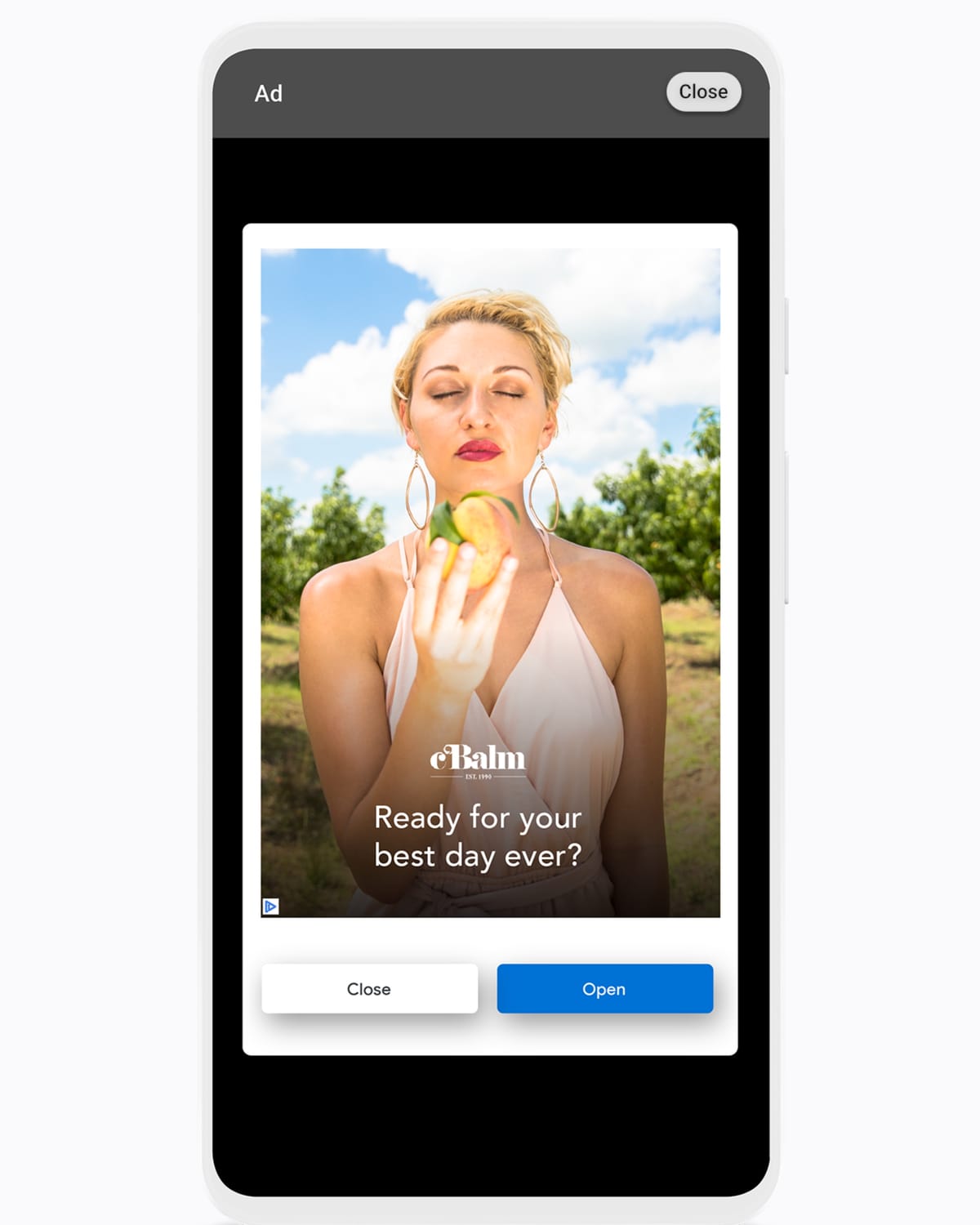
The vignette format occupies a specific position within AdSense's overlay category. Anchor ads maintain sticky positioning at screen edges with dismissible functionality, serving primarily on mobile devices while extending to desktop platforms. Side rail advertisements target widescreen displays with configurable left or right positioning. Vignettes distinguish themselves through full-screen presentation during page transitions rather than persistent display during content consumption.
Vignette advertisements initially launched in AdSense during late 2020, beginning with desktop publishers before expanding to mobile environments. The format appeared when users clicked links on publisher sites, utilizing hyperlink triggers created by HTML anchor tags with href attributes. Desktop expansion arrived in February 2022, introducing wide screen controls that allowed publishers to disable desktop serving while maintaining mobile deployment.
Frequency controls emerged as a significant enhancement in October 2023, replacing a fixed 10-minute display interval with publisher-configurable ranges from 1 minute to 1 hour. This flexibility addressed the tension between revenue maximization and user experience preservation. Publishers prioritizing earnings could set aggressive 1-minute frequencies, while those focused on engagement could implement conservative 30-minute or 60-minute intervals.
The trigger expansion represents Google's continued push toward automated revenue optimization across its publisher products. The automatic activation strategy mirrors implementation approaches employed throughout 2024 and 2025, including enhanced ad experiences during holiday periods and empty ad space monetization through contextual suggestions.
Publishers managing multiple properties through AdSense face strategic decisions about trigger activation. Sites with content-heavy article structures may benefit from end-of-article scroll triggers, as users completing long-form content demonstrate engagement levels that correlate with advertisement receptiveness. News publishers and blog operators producing multi-thousand-word articles could see particular impact from this trigger mechanism.
Inactivity-based triggers target different user behavior patterns. Content that prompts users to pause and reflect - such as educational materials, technical documentation, or reference content - creates natural inactivity periods before users resume engagement. The 30-second threshold balances trigger frequency with meaningful inactivity detection, avoiding premature activation during brief reading pauses.
Back button navigation triggers address specific browsing patterns prevalent in research-oriented sessions. Users exploring multiple pages from search results or navigating content hierarchies frequently use back button functionality. This trigger capitalizes on navigation moments that already involve page transitions, maintaining the format's core principle of appearing between page loads rather than during content consumption.
The all-or-nothing control structure presents limitations for publishers seeking granular trigger management. Unlike ad intents which offer display versus search configuration options or anchor ads which provide three-position placement controls, vignette triggers operate through binary activation. Publishers cannot selectively enable scroll-based triggers while disabling inactivity detection or back button mechanisms.
Revenue tracking capabilities for trigger-specific performance remain limited within current AdSense reporting structures. Publishers can create custom reports filtering by vignette ad format through the Reports page interface, but granular attribution showing which specific trigger generated individual impressions appears unavailable based on documentation. This limitation constrains optimization efforts aimed at identifying highest-performing trigger mechanisms.
The vignette trigger expansion functions within AdSense's comprehensive Auto ads framework that encompasses multiple format categories. Intent-driven formats utilize user action triggers to display search results with integrated advertisements in dismissible dialog boxes. Ad intents automatically place links, anchors, and chips throughout existing content based on contextual relevance, with display advertisement options introduced in May 2025.
In-page advertisement formats operate within content areas based on page layout analysis and content volume assessment. Banner advertisements and Multiplex native ad grids complement the overlay formats. Fine-tune controls introduced in January 2024 allow publishers to configure maximum ad numbers and minimum distances between in-page placements, providing granular control absent from the vignette trigger system.
The overlay category integration reveals Google's format stratification approach. Anchor ads serve persistent monetization throughout page sessions. Side rail ads target widescreen real estate without disrupting content consumption. Vignettes capitalize on transition moments when users navigate between pages or resume engagement after pauses. Each format addresses distinct monetization opportunities within the user experience lifecycle.
Policy compliance considerations remain constant across trigger expansion. Google's existing content restrictions, frequency capping requirements, and user experience guidelines apply regardless of trigger mechanisms. Publishers must maintain compliance with video inventory restrictions updated in September 2024 and policy enforcement frameworks that affect ad serving status across all format types.
The back button trigger limitation to Chrome, Edge, and Opera browsers reflects technical implementation constraints rather than publisher preferences. These Chromium-based browsers share underlying architecture that enables backward navigation detection. Safari, Firefox, and other browser environments lack the technical hooks required for this trigger mechanism.
Browser compatibility affects potential impression volume from back button triggers. Chrome maintains dominant desktop market share while Edge represents Microsoft's default browser for Windows environments. Opera serves niche user segments focused on browsing efficiency. The combined reach of these three browsers covers substantial portions of desktop traffic, though excludes significant segments using alternative browsers.
Mobile browser compatibility receives no explicit documentation in the announcement materials. The back button trigger description specifies "supported browsers (currently Chrome, Edge, and Opera)" without mobile-specific clarification. Mobile Chrome represents the dominant mobile browser globally, suggesting potential mobile application of this trigger, though technical implementation may differ from desktop environments.
The article element detection underlying scroll-based triggers requires semantic HTML markup. Publishers using proper article tags benefit from accurate end-of-content detection. Sites lacking semantic markup or using div-based layouts may experience inconsistent trigger behavior. Technical implementation details regarding fallback mechanisms for non-semantic markup remain undocumented in available materials.
Vignette advertisements operate under AdSense's standard revenue share arrangements established through platform-wide updates. Google revised the revenue share structure in November 2023, increasing publisher portions from 68% to 80% of revenue after advertiser platform fees. This per-impression payment model represents industry standard practice for display advertisements.
The revenue structure remains constant regardless of trigger mechanisms. Publishers receive identical revenue shares whether vignettes display through page navigation, scroll behavior, inactivity patterns, or back button usage. The trigger expansion aims to increase impression volumes rather than modify per-impression earnings, creating revenue growth through quantity rather than pricing changes.
Advertiser demand for full-screen formats influences fill rates and CPM levels. Vignette advertisements compete with other high-impact formats including video advertisements and interactive rich media. The transition moment positioning - between page loads rather than during content consumption - differentiates vignettes from in-content formats that interrupt reading experiences.
Performance tracking through AdSense reporting requires deliberate configuration. Publishers must create custom reports using the Ad format filter and selecting Vignette as the format type. This reporting capability enables comparison between vignette performance and other format categories, though granular trigger-level attribution remains unavailable based on current documentation.
The automatic activation approach with opt-out mechanisms continues Google's strategic pattern established throughout 2024 and 2025. Site-level optimization controls introduced in May 2025 moved Auto optimize settings from account-wide to site-specific configurations, providing more granular control over experimentation. The vignette trigger consolidation moves in the opposite direction, grouping multiple mechanisms under a single binary control.
The one-month review period provides publishers with evaluation time before revenue impacts occur. This timeline matches the implementation approach used for Offerwall optimization announced in December 2025, which provided identical 30-day review windows before automatic activation. The consistency suggests standardized rollout procedures for features involving automatic opt-in with override capabilities.
Publishers concerned about user experience impacts can monitor bounce rates and engagement metrics during the March 9 activation period. The frequency cap protections prevent trigger multiplication from overwhelming users, maintaining the same minimum intervals between vignette displays regardless of which trigger mechanisms activate the format. A publisher with a 15-minute frequency cap experiences maximum one vignette per 15-minute period whether that trigger comes from page navigation, scroll behavior, or inactivity detection.
The trigger expansion timing in early February positions publishers for implementation decisions before high-traffic spring periods. Educational content sites approaching end-of-academic-year traffic increases face decisions about scroll-based triggers on long-form study materials. News publishers covering spring political primaries and sporting events evaluate inactivity triggers for breaking news content that prompts frequent user pauses and returns.
Publishers must verify AdSense code placement across all site pages to enable trigger functionality. The announcement notes that vignette ads "can take up to an hour" to appear after code implementation, with recommendations pointing to code implementation guides for technical details. Partial code deployment limits trigger effectiveness by restricting vignette availability to coded pages only.
The Auto ads infrastructure requirement persists for vignette functionality. Publishers must maintain active Auto ads configurations with Overlay formats enabled. The vignette ads option within Overlay formats must remain selected. Publishers who previously disabled vignettes entirely must reactivate the format before accessing trigger controls.
Advanced settings expansion reveals the "Allow additional triggers for vignette ads" control. This nested configuration path requires multi-step navigation through AdSense interfaces. Publishers unfamiliar with Advanced settings panels may overlook the control location, potentially missing opt-out opportunities during the review period.
Apply to site confirmation completes configuration changes. Publishers must click "Apply to site" after adjusting trigger settings, followed by save option selection. Immediate application through "Apply now" then "Save" implements changes quickly. Alternatively, "Run experiment first" enables A/B testing of trigger configurations across 50% of site traffic for 90-day periods.
The experimental approach allows publishers to measure trigger impact before full deployment. AdSense experiments compare performance metrics between control groups using existing vignette configurations and test groups with additional triggers enabled. The 90-day experiment duration provides statistical significance for revenue, engagement, and bounce rate comparisons.
Vignette advertisements occupy a specific position within digital advertising's impact spectrum. Pre-roll video advertisements interrupt content consumption directly, requiring completion or skip actions before content access. Interstitial advertisements appear during app navigation transitions in mobile environments. Vignettes position between these aggressive formats and passive display advertisements that accompany content without interruption.
The skip functionality distinguishes vignettes from forced-view formats. Users can immediately close vignettes using browser back buttons or close buttons within the advertisement itself. This user control mechanism reduces frustration compared to formats requiring timer countdowns before dismissal becomes available. The immediate skip availability positions vignettes as less intrusive than pre-roll video advertisements with mandatory viewing periods.
Frequency cap optimization requires balancing revenue opportunities against user experience preservation. Publishers implementing aggressive 1-minute frequencies maximize impression volumes but risk user frustration from frequent interruptions. Conservative 30-minute or 60-minute frequencies preserve user experience but sacrifice potential impression volumes. The trigger expansion magnifies this tension by creating additional activation pathways while maintaining frequency protections.
The trigger diversity enables revenue generation from multiple engagement patterns. Page navigation triggers capitalize on deliberate user transitions between content pieces. Scroll-based triggers monetize content completion moments. Inactivity triggers target pause-and-resume patterns. Back button triggers address research-oriented browsing. This mechanism variety increases impression opportunities across diverse user behavior patterns without violating frequency caps.
Publishers can experiment with frequency settings to identify optimal balance points for their specific audiences. Content types influence ideal frequencies - news sites with rapid content consumption patterns may support more aggressive frequencies than long-form journalism sites where users spend extended periods on individual articles. Audience demographics also affect tolerance levels, with younger mobile-first users potentially accepting different frequency patterns than desktop-focused professional audiences.
The trigger mechanisms operate independently of third-party cookies, aligning with Google's broader privacy-focused advertising strategy. Scroll detection, inactivity monitoring, and navigation pattern analysis rely on first-party behavioral signals rather than cross-site tracking. This approach ensures functionality across browser environments with varying privacy configurations while maintaining targeting effectiveness through engagement signals rather than user identification.
Content appropriateness requirements persist across all trigger mechanisms. Publishers must maintain compliance with Google's content policies including restrictions on adult content, dangerous or derogatory content, and deceptive practices. Policy violations affecting page-level ad serving extend to vignette displays regardless of trigger activation method.
User consent frameworks under privacy regulations including GDPR and CCPA apply to vignette advertisements as they do to all AdSense formats. Publishers operating in jurisdictions requiring consent management must implement appropriate consent mechanisms before serving vignettes. The trigger expansion does not modify consent requirements or introduce new privacy obligations beyond existing AdSense implementation standards.
Geographic targeting capabilities operate consistently across trigger types. Advertisers targeting specific regions or countries reach users through vignette impressions regardless of whether triggers activate through navigation, scrolling, inactivity, or back buttons. The trigger mechanism affects impression timing and user context rather than geographic availability or targeting precision.
Who: Google AdSense affects all publishers using vignette ads within Auto ads configurations, with automatic enrollment impacting accounts that do not opt out during the one-month review period.
What: Six additional triggers for vignette ads including three existing mechanisms (tab unhiding, navigation bar clicks, new tab switches) and three new triggers (end-of-article scroll behavior, 30-second inactivity followed by interaction, browser back button navigation on Chrome, Edge, and Opera). A single control setting governs all triggers with binary activation or deactivation.
When: Announced February 9, 2026, with control appearing activated in accounts immediately. One-month review period extends through March 8, 2026, with no actual ad delivery changes during this window. Automatic activation occurs March 9, 2026, for publishers who take no action. Publishers can opt out at any time.
Where: Implementation occurs across Google AdSense platform affecting vignette ad displays on publisher websites globally. Configuration requires navigating to Auto ads settings, Overlay formats section, Advanced settings panel, and the "Allow additional triggers for vignette ads" control.
Why: The trigger expansion aims to "unlock incremental revenue by identifying additional high-value impression opportunities" from engaged users while respecting existing frequency cap settings to maintain user experience balance. The update aligns with Google's broader strategy of automated revenue optimization through machine learning systems that identify monetization opportunities beyond traditional page navigation triggers.